完全に破壊する、消滅させる
verb 動詞口語では、人や物を強烈な力で完全に破壊し、跡形もなく消滅させることを表します。爆発や兵器の描写、受け身や比喩的な文脈でも使われ、実際の相変化を意味するとは限りません。
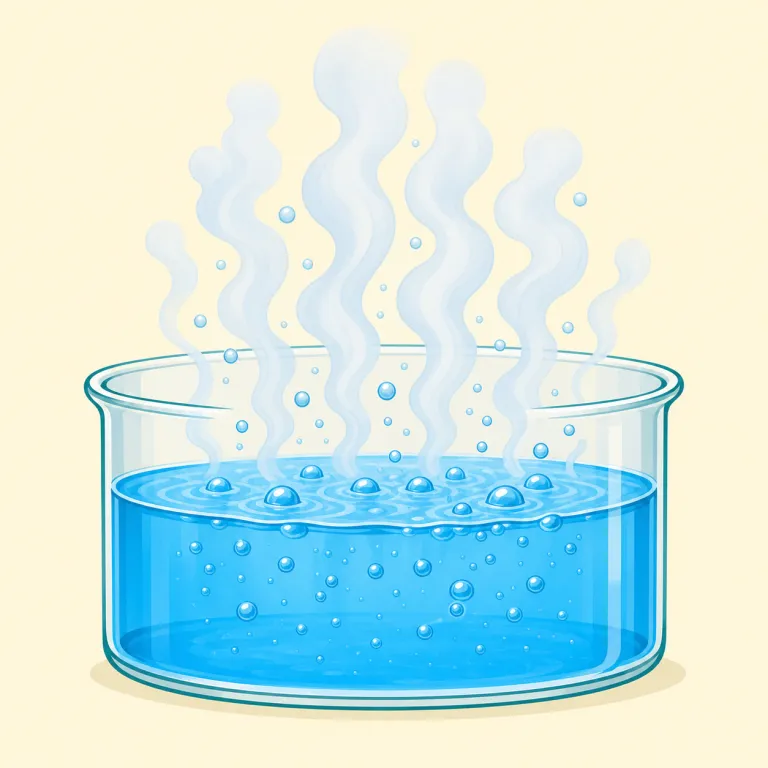
液体や固体が気体へ変わっていること、または気体に変えていることを表します。これは物質の状態が変わる相変化であり、通常は化学変化そのものを指す語ではありません。
Vaporizing means changing something into vapor or gas, usually through heat. It is often used in science, cooking, and technology. The word can also describe something disappearing very quickly.
vaporizing は vapor「蒸気・気体」+ -ize「〜にする・なる」+ -ing と分け、「物質が今まさに気体へ姿を変えている」と捉えると定着しやすい語です。熱した液体の表面から蒸気が立ち上る場面を思い浮かべ、the liquid is vaporizing in the heat と覚えましょう。自動詞なら「気体になっている」、目的語を伴えば vaporizing water や metals のように「気体にしている」です。液体だけでなく固体にも使え、化学反応ではなく状態変化に焦点があると押さえると正確です。
Start with `vapor`, the basic word for gas or steam. Then `vaporize` means to turn into vapor, and `-ing` shows the action is happening now. Think of phrases like `water vapor` or `vaporizing into gas` to remember the image of something disappearing into the air.
The liquid is vaporizing in the heat
液体は熱で蒸発している
Vaporizing water creates steam
水を蒸発させると水蒸気が生じる
The chemical process involves vaporizing metals
その化学過程には金属の気化が含まれる
文脈によって、次の意味でも使われます。
口語では、人や物を強烈な力で完全に破壊し、跡形もなく消滅させることを表します。爆発や兵器の描写、受け身や比喩的な文脈でも使われ、実際の相変化を意味するとは限りません。
vapor はラテン語 vapor「蒸気」が古フランス語を経て入った語で、vaporize は vapor に動詞化の -ize、さらに -ing が付いた形です。evaporate や vaporous も同根で、「蒸気になる」と捉えると vaporizing が『蒸発していく』とわかります。
Vaporizing is built from vaporize, which comes from vapor plus the verb-forming suffix -ize, with -ing added. Vapor came through Old French from Latin vapor, meaning steam or mist. From the idea of turning into vapor or steam, vaporize developed the meaning of changing into gas-like form. Related words include evaporate and vaporous.
この英単語をクイズで覚えよう