文言、言葉遣い
noun 名詞特定の文書や分野で用いられる文言や表現の仕方を指します。この語義では必ずしも冗長さを批判せず、契約書の正式な文言や専門分野特有の言葉遣いについて中立的に使われます。
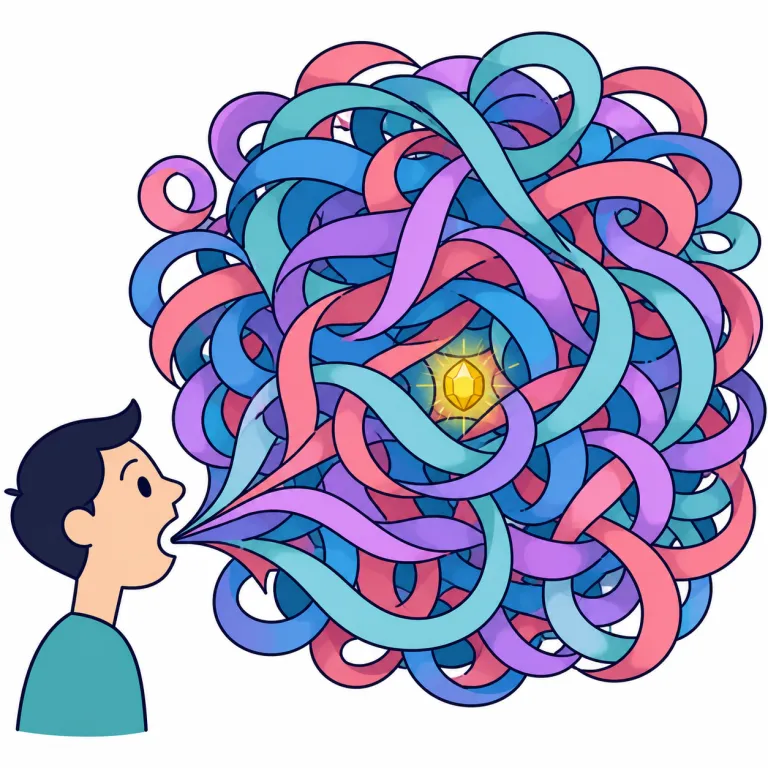
必要以上に言葉が多く、回りくどくて中身が伝わりにくい表現を指します。特に文章や発言が無駄な語句でふくらみ、要点が見えにくくなっている場合に、批判的なニュアンスで使われる語です。
Verbiage means the use of too many words, often more than necessary to express an idea clearly. It is usually used in a negative way about speech or writing that feels wordy or unclear.
verb / verbal / verbose と同じ verb-「言葉」の仲間だと押さえると覚えやすいです。特に verbose が「言葉が多い」なので、verbiage はその名詞版として「言葉が増えすぎた状態」とつなげると意味が取りやすいです。ただし単なる wording ではなく、必要以上に飾って回りくどく、要点が埋もれるという批判的ニュアンスが強め。business verbiage, legal verbiage, too much verbiage など、会議文書や堅い文章で「中身より言葉が前に出ている場面」を思い浮かべると定着します。
Connect it to the `verb-` family: `verbal`, `verbose`, and `verbiage` all relate to words. `Verbose` means using too many words, so `verbiage` is the noun for that same idea. Think of phrases like `legal verbiage` or `too much verbiage` when language becomes long and heavy instead of clear.
The contract was filled with unnecessary legal verbiage that confused even the lawyers.
その契約書には不要な法律用語や回りくどい文言があふれ、弁護士でさえ戸惑った。
The editor asked the writer to cut the excessive verbiage and get straight to the point.
編集者は書き手に、冗長な言い回しを削って要点を述べるよう求めた。
Layers of verbiage buried his actual argument, making it nearly impossible to identify.
冗長な言葉に彼の本当の主張が埋もれ、何を言いたいのかほとんど分からなかった。
文脈によって、次の意味でも使われます。
特定の文書や分野で用いられる文言や表現の仕方を指します。この語義では必ずしも冗長さを批判せず、契約書の正式な文言や専門分野特有の言葉遣いについて中立的に使われます。
verbiage はフランス語 verbiage から入り、もとはラテン語 verbum「言葉」に由来します。語幹 verb- は verbal や verbose と同根で、もともと「言葉」が核だからこそ、「言葉が多すぎる言い回し」という意味になりました。
Verbiage came into English from French verbiage, based on Latin verbum, meaning "word." It shares its root with English words such as verb, verbal, and verbose. Because the base idea is simply "words," it came to suggest an excess of words rather than just speech itself.
この英単語をクイズで覚えよう