
verbal
verbal は英検2級・TOEIC 860・TOEFL 80・IELTS 6.5レベルの英単語で、「口頭の、言語の、動詞の」という意味があります。発音記号は /ˈvɝːbəl/ です。
口頭の
解説 Definition
言葉や口で表現される、書かれていない。口頭での約束や指示を表します。
Verbal means related to words or speaking rather than writing or action. It is often used for communication, agreements, or instructions that are spoken. In grammar, it can also refer more generally to forms connected with verbs.
覚え方のコツ Memory Tip
verb・vocabulary など『言葉』に関係する英単語を知っていると、verbal はまず『言葉による』と押さえやすい。そこから written の反対として『書面ではなく口頭の』へ意味を広げると定着する。verbal agreement, verbal instructions, verbal warning, verbal abuse のように、会話・指示・注意の場面で頻出。oral も近いが、verbal は『言語ベース』で written と対比されやすい、と覚えると混同しにくい。
Think of verb and vocabulary: both are about words. Verbal means "using words," and often appears as the opposite of written, as in verbal agreement or verbal instructions. Oral is close, but verbal is broader and connects more clearly to language and words.
例文
She gave me verbal directions to the station.
彼女は駅までの道順を口頭で教えてくれた。
The teacher gave verbal instructions to the class.
先生はクラスに口頭で指示を出した。
The teacher gave a verbal answer, not a written one.
先生は書面ではなく口頭で答えた。
えいたんごクイズでの正答率
この語をはじめて出題された 46人 のうち 35人 が正解しました(76%)。
えいたんごクイズの回答から集計した独自データです。1人につき最初に出題されたときの1回だけを数えており、復習や2回目以降の回答、「わからない」と時間切れは含みません。 集計時点は 2026年9月19日 です。
言語の
(意味 2)
解説 Definition
verbal は「言葉や言語に関する」という意味で、話し言葉だけでなく文章中の語表現まで含めて使われる。数式や画像ではなく、単語や文によって情報を理解したり伝えたりする能力・説明・要素を述べるときに現れやすい。学校の科目名や心理検査の説明でよく見られる。
Relating to words or language, whether spoken or written. It often describes abilities or tasks involving understanding and expressing ideas through words and sentences.
覚え方のコツ Memory Tip
verb や vocabulary など「言葉」に関係する英単語を知っていると、verbal は「言語の・言葉による」と押さえやすいです。verbal skills や verbal reasoning では、図形や数ではなく、単語や文を使って理解・表現する能力を指します。口頭の意味で written と対比されることもありますが、この語義では spoken/written を問わず「言語ベース」と覚えると安定します。
Associate verbal with familiar words about language, such as verb and vocabulary. In verbal skills and verbal reasoning, picture understanding and using words, including words on a page.
例文
She has excellent verbal skills.
彼女は言語面の能力が非常に高い。
The test measures verbal reasoning.
その試験は言葉を使った推論力を測る。
Children develop verbal labels for objects early.
子どもは早い段階で物の名前を言葉で覚える。
動詞の
(意味 3)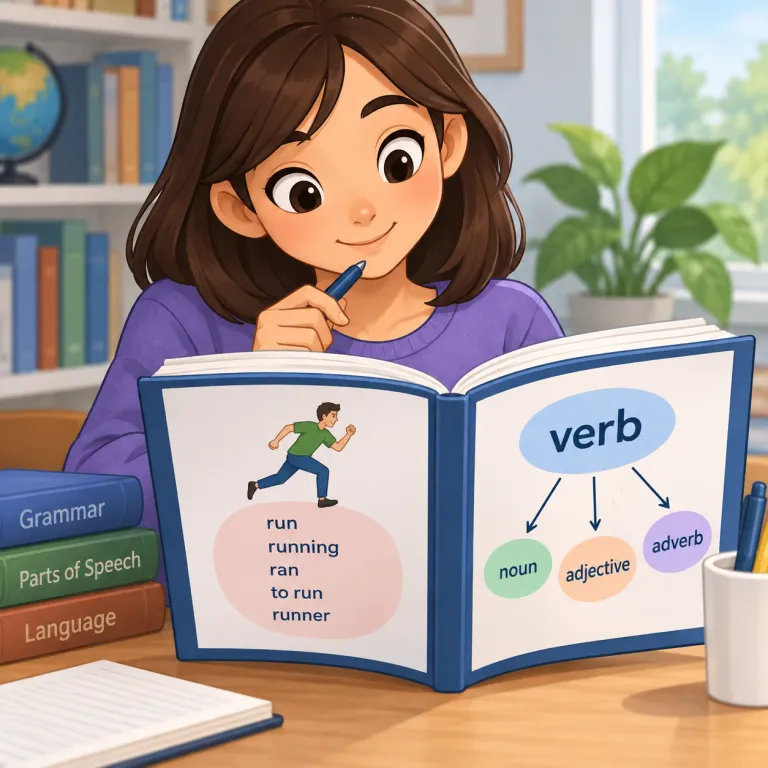
解説 Definition
文法で verbal は「動詞に関する」「動詞として働く」という意味で使われる。動詞の形や、動詞からできた名詞・形容詞などの文法用語を説明するときに現れ、語がどの程度動詞的な性質を持つかを示す。日常会話より文法書や辞書で見ることが多い。
Relating to verbs, functioning like a verb, or formed from a verb. This grammatical adjective describes features such as endings and nouns or adjectives derived from verbs.
覚え方のコツ Memory Tip
verb を知っていれば、verbal は文法では「verb に関する」と押さえると定着しやすい。verbal endings なら「動詞の語尾」、verbal adjective なら「動詞からできた形容詞」のように、口頭か書面かではなく、語がどれだけ動詞らしく働くかを見る語。verbal instructions の「口頭の」と切り分けて、文法欄では verb が見えたら「動詞の」と覚えると混同しにくい。
In a grammar context, connect verbal directly with verb and read -al as "relating to." Remember verbal endings as verb endings and a verbal adjective as an adjective formed from a verb.
例文
The grammar chapter focuses on verbal endings.
その文法の章は動詞語尾に焦点を当てている。
This suffix creates a verbal adjective.
この接尾辞は動詞由来の形容詞を作る。
The dictionary lists verbal nouns separately.
その辞書は動詞由来の名詞を別に載せている。
verbal の類義語・関連語
verbal の語源・成り立ち Etymology
verbal はラテン語 verbum「語、言葉」に、形容詞語尾 -al が付いた語で、フランス語経由で英語に入りました。関連語に proverb・adverb があり、もともと「言葉に関する」が、そこから「口頭の」という意味にも広がったと分かります。
Verbal comes from Latin verbum, meaning "word," with the ending -al, and it entered English through French and Latin forms. It is related to English words like proverb and adverb, which also go back to verbum. The original sense was simply "about words," and later it also came to mean "spoken, not written."
同じレベルの語彙をもっと
英検2級の一覧へ →外部辞書で調べる
この英単語をクイズで覚えよう