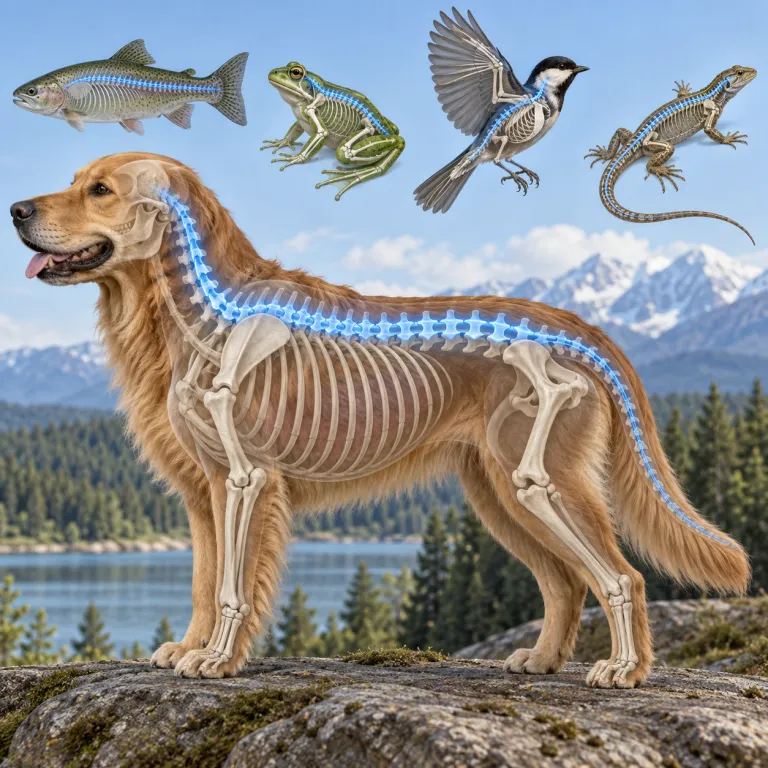
vertebrate を覚えるポイント・使い方
vertebrate は、背骨を持つ動物を指す「脊椎動物」という名詞です。魚類・鳥類・哺乳類などが含まれ、invertebrate「無脊椎動物」と対にして覚えると区別しやすくなります。
生物の分類を説明するときに使います。1匹なら a vertebrate、複数の動物や動物群について述べるなら vertebrates とします。
Birds are vertebrates, as are fish and mammals.
鳥は脊椎動物で、魚や哺乳類も同じです。
脊椎動物
/ adjective 形容詞 脊椎動物の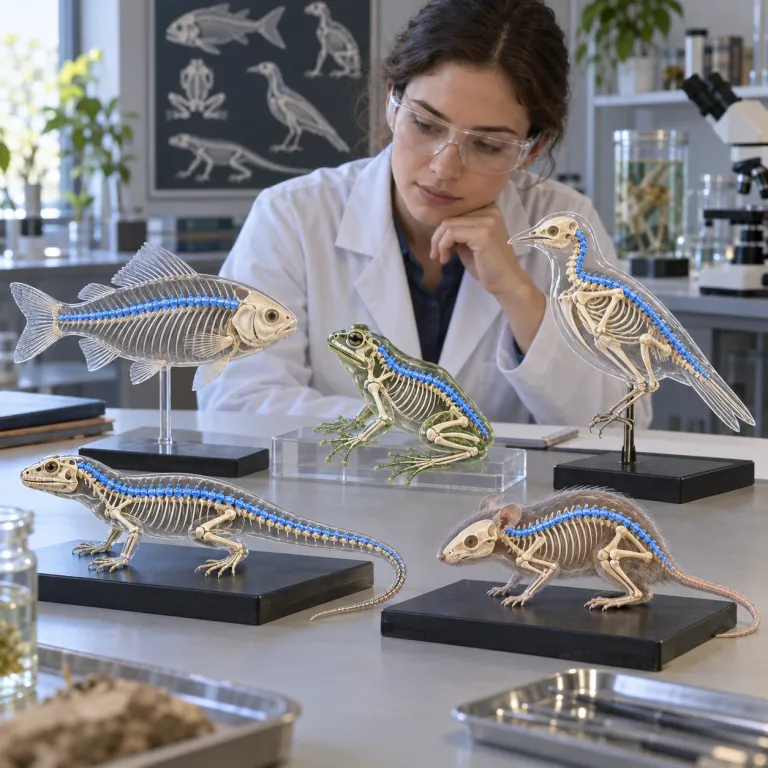
解説 Definition
背骨を持つ動物の総称です。魚類・両生類・爬虫類・鳥類・哺乳類が含まれます。
A vertebrate is an animal that has a backbone or spine. This group includes animals such as mammals, birds, fish, reptiles, and amphibians. The word is mainly used in biology and science.
使い方 Usage
使い分け Common distinctions
- invertebrate は背骨を持たない「無脊椎動物」です。背骨の有無で区別します。 An invertebrate is an animal without a backbone. The distinction is whether the animal has a backbone.
覚え方のコツ Memory Tip
vertebra「背骨を構成する骨」とつづりの核を結び付けましょう。vertebrate は背骨あり、invertebrate は背骨なし、と対にすると覚えやすくなります。
Connect the spelling with vertebra, a bone in the backbone. Remember the pair: a vertebrate has a backbone, while an invertebrate does not.
例文
Humans are vertebrates with a backbone.
人間は背骨を持つ脊椎動物です。
Birds are vertebrates, as are fish and mammals.
鳥は脊椎動物で、魚や哺乳類も同じです。
vertebrate の類義語・関連語
vertebrate の語源・成り立ち Etymology
vertebrate はラテン語 vertebra「関節・背骨」に由来し、語根 vert- は「回る」に通じる。背骨は体を曲げたりひねったりできる節の連なりで、そこから「脊椎をもつ動物」の名になった。関連語に vertebra と invertebrate があり、背骨の有無が分類の軸だと見える。
Vertebrate comes from Latin vertebra, meaning "joint" or "backbone." That Latin word is linked to a root meaning "to turn," because the bones of the spine bend and twist at their joints. In English, the idea developed into a name for animals identified by having a backbone. Related words include vertebra and invertebrate.
同じレベルの語彙をもっと
外部辞書で調べる
この英単語をクイズで覚えよう