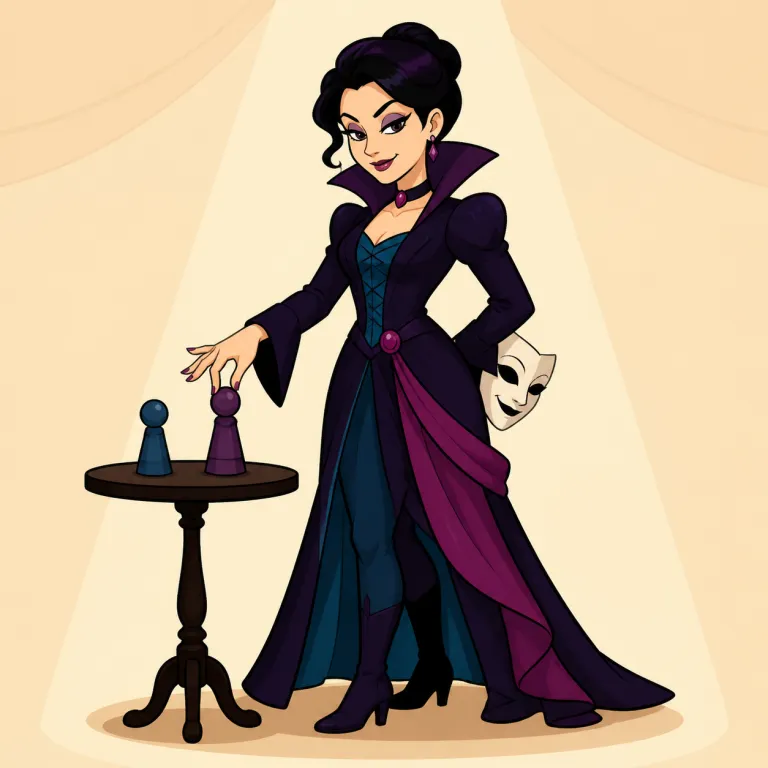
悪女、女性の悪役
解説 Definition
小説・映画・演劇などで、主人公に敵対する女性の悪役や、性格の悪い女性を指す語。残酷さや策略家という含みを持つことが多く、作品内で魅力的な敵役として描かれる場合にも使われるが、日本語の「悪役令嬢」のように貴族の令嬢であることまでは含まない。
A villainess is a female villain, especially in a story, movie, play, or game. She is usually an important bad character who causes trouble or opposes the main character. The word is mostly used in fiction and entertainment.
覚え方のコツ Memory Tip
villain を知っていれば核の意味はそのまま「悪役」。そこに actress, waitress などで見かける -ess が付いて「女性の悪役」と整理すると覚えやすい。会話語というより小説・映画・ドラマで、heroine に敵対する villainess の形で出やすく、 cruel, manipulative, elegant など“魅力はあるが危険”な像を伴いやすい。物語上の女性の敵役を指すのが典型だが、文脈によっては性格の悪い女性を指すこともある、と押さえるとよいです。
Start from `villain`, the bad character in a story. Then notice `-ess`, the ending used in words like `actress`, which marks a female role. That makes `villainess` easy to remember as the female story enemy, especially in novels, films, or dramas.
例文
The villainess of the novel plotted elaborate schemes to undermine her rivals.
その小説の女性悪役は、ライバルを陥れるために巧妙な策略を巡らせていた。
The actress brilliantly portrayed the complex villainess in the theatrical production.
その女優は舞台作品で複雑な悪女役を見事に演じた。
Every good story needs a compelling villainess to create dramatic tension.
よい物語には、劇的な緊張感を生む魅力的な女性悪役が必要だ。
villainess の類義語・関連語
villainess の語源・成り立ち Etymology
villainessはvillain+-essで、-essはギリシャ語系を経た女性名詞語尾です。villainは古フランス語vilain、さらにラテン語villa「農家・荘園」由来で、もとは「田舎者」。そこから「悪人」へ意味が落ちた流れが見えます。関連語はvilla, villainyです。
Villainess is villain with the feminine suffix -ess. Villain came through Old French vilain from Latin villa, meaning "country house" or "farm," and at first referred to a farm worker or peasant. Over time, that social label became more negative and shifted toward the sense of a bad or cruel person. Related words include villa and villainy.
同じレベルの語彙をもっと
外部辞書で調べる
この英単語をクイズで覚えよう