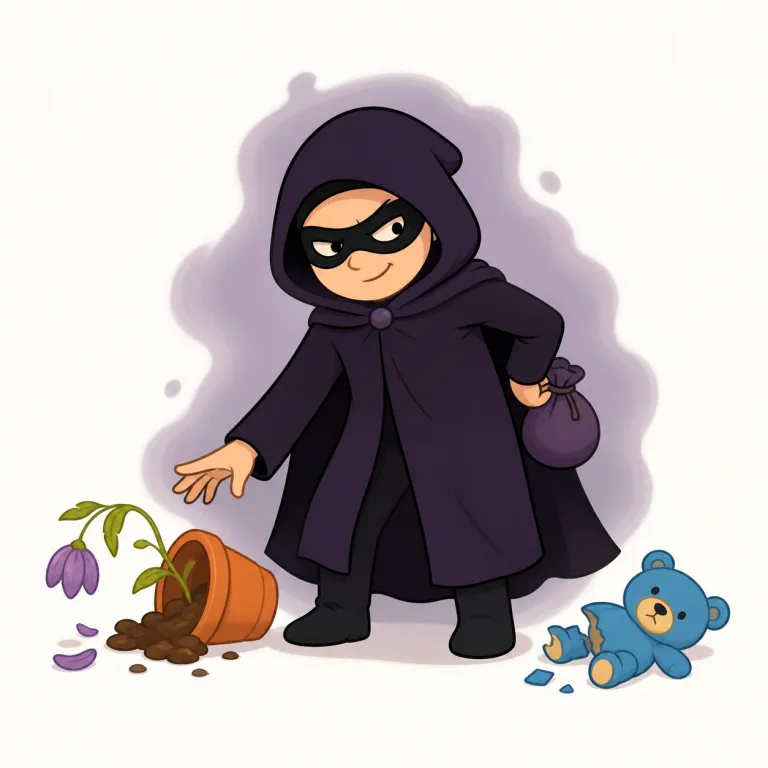
悪行
解説 Definition
邪悪で卑劣な悪行や悪事を指します。犯罪に限らず、道徳的に悪質なふるまいや非道な行い全般にも使われます。
Villainy means very bad, immoral, or criminal behavior. The word is often used in stories, formal writing, or dramatic contexts to describe evil acts or wicked conduct.
覚え方のコツ Memory Tip
まず villain「悪役・悪党」を知っていれば覚えやすい語です。villainy はそこに名詞化の -y が付いて、「悪役らしさ」ではなく「悪党がするような悪事・悪行」全体を指します。crime が個々の犯罪事実に寄りやすいのに対し、villainy は道徳的な邪悪さや卑劣さまでにじむ語。物語なら the villain’s villainy のように、悪役の非道なふるまいをまとめて捉える感覚で押さえると残ります。
If you know `villain`, you already have the key. `Villainy` is the bad behavior you expect from a villain, not just one legal crime but a whole sense of evil or cruelty. It works well in stories, where the word feels dramatic and moral.
例文
The villain's villainy was exposed in the final scene.
悪役の悪事は最終場面で露わにされた。
Such villainy cannot be tolerated in our society.
そのような悪事は私たちの社会では許容されない。
He was arrested for his role in the villainy.
彼はその悪事への関与で逮捕された。
villainy の類義語・関連語
villainy の語源・成り立ち Etymology
villainy は古フランス語 vilainie に由来し、さらに後期ラテン語 villanus「農場に属する人」へさかのぼります。語幹 villa「農園・別荘」から、田舎者への蔑視が「下劣さ」「悪行」へずれたと見ると、villain や village との縁が見えてきます。
Villainy came into English through Old French vilainie, from vilain, and goes back to Late Latin villanus, meaning a farm worker or person tied to a villa, or country estate. It is related to villa and village. Because country people were looked down on by higher classes, the word shifted from "low-born person" to ideas like baseness, wickedness, and evil acts.
同じレベルの語彙をもっと
外部辞書で調べる
この英単語をクイズで覚えよう