生命維持器官、急所
noun 名詞複数形 the vitals で、心臓や肺など生命維持に不可欠な体内器官をまとめて指します。バイタルサインという測定値ではなく、攻撃や損傷から守るべき身体の重要部分そのものを表す用法です。
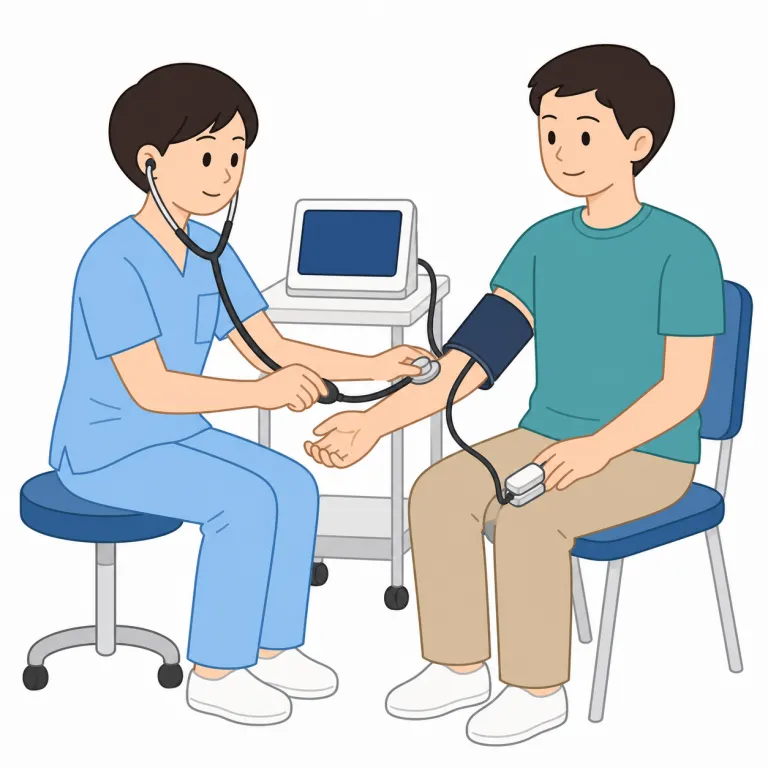
心拍数、血圧、体温、呼吸数など、患者の基本的な身体状態を示す指標をまとめて指す名詞です。医療現場では全身状態の把握や急変の早期発見のために継続的に確認され、救急や手術中の監視でも重要な役割を果たします。
Vitals means the main signs that show a person's basic physical condition, such as heart rate, blood pressure, and temperature. It is commonly used in medicine, nursing, and emergency care. The word is usually plural.
vitals はまず vital「生命に関わるほど重要な」を土台にすると覚えやすいです。-s が付いた複数形で、医療では「大事なこと一般」ではなく、heart rate, blood pressure, temperature, breathing など命の状態を示す基本指標のセットを指します。check the vitals, monitor a patient’s vitals の形でよく出ます。vital sign(s) とほぼ同じ場面で使われるので、単なる important ではなく「生存を支える数値群」としてまとめて覚えると混同しにくいです。
Build it from `vital`, a word connected with life and great importance. In medicine, the plural `vitals` means the set of basic body numbers doctors check. Remember the common collocations `check the vitals` and `monitor a patient’s vitals`. That helps you avoid thinking it just means “important things” in general.
The doctor checked the patient's vitals including heart rate and blood pressure.
医師は心拍数や血圧を含む患者のバイタルサインを確認した。
During surgery, the anesthesiologist monitors all of the patient's vitals.
手術中、麻酔科医は患者のすべてのバイタルサインを監視する。
His vitals were stable after the emergency treatment.
緊急治療の後、彼のバイタルサインは安定していた。
文脈によって、次の意味でも使われます。
複数形 the vitals で、心臓や肺など生命維持に不可欠な体内器官をまとめて指します。バイタルサインという測定値ではなく、攻撃や損傷から守るべき身体の重要部分そのものを表す用法です。
vitals は vital の複数で、vital はラテン語 vita「生命」から来た vitalis「生きるのに関わる」が語源です。だから意味は単なる重要事項ではなく“命に直結する部分”で、revive や vitamin と同じ vita 系の語だと分かると、医療での重みが見えます。
Vitals is the plural of vital, which comes from Latin vitalis "of life," from vita "life." The word first referred to things closely connected with life itself. From that sense, vitals came to mean the parts of the body most necessary for life. Related English words include revive and vitamin.
この英単語をクイズで覚えよう