不足
解説 Definition
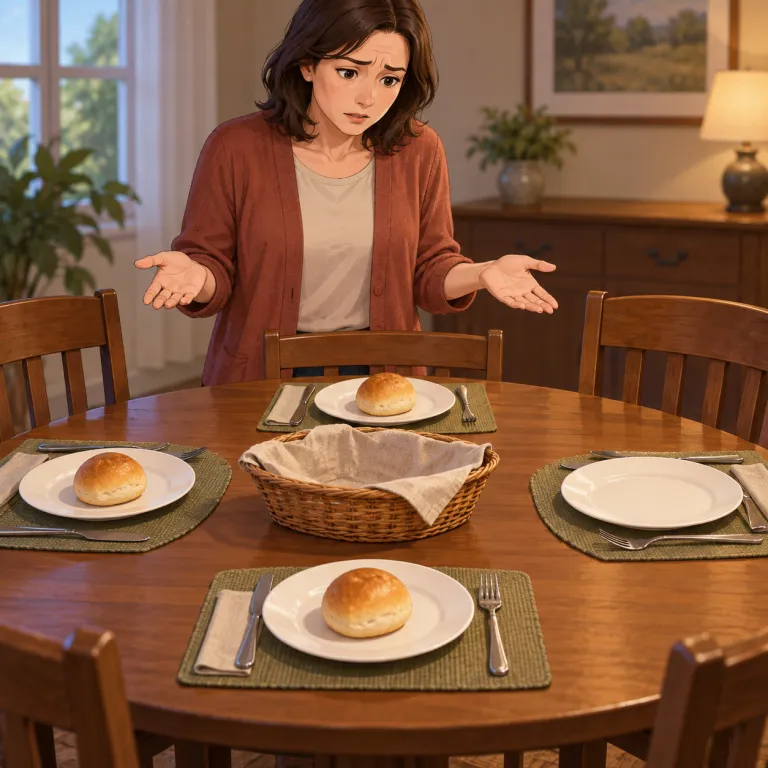
不足、欠如、または不足している量。何かが足りないまたは必要とされる状態を指す古い単語です。
Wantage means a lack or shortage of something that is needed. It is a formal or old-fashioned word, often used when talking about not having enough money, food, or other necessities.
覚え方のコツ Memory Tip
want を「欲しい」だけでなく「足りない・欠けている」の感覚で押さえると覚えやすいです。wantage はその want を名詞として固定した形で、意味は shortage や lack に近いですが、かなり古風で文語的。現代語では shortage/lack が普通なので、「読めば分かるが自分ではあまり使わない語」として覚えると整理しやすいです。語尾 -age は breakage などと同じく名詞化の合図。wanting, in want も一緒に結ぶと「不足」の核が残ります。
See `want` in its older sense: not only "desire," but also "lack." Add `-age`, a common noun ending, and `wantage` becomes a noun for a state of lacking. It is an old-fashioned literary word, so connect it with modern `lack` or `shortage` rather than a word you would often say yourself.
例文
There was a wantage of supplies during the crisis.
危機の際には物資が不足しました。
The wantage of resources slowed progress.
資源の不足が進捗を遅らせました。
The wantage of skilled workers became critical.
熟練労働者の不足が深刻になりました。
wantage の類義語・関連語
wantage の語源・成り立ち Etymology
wantage は want「欠けている・足りない」に、名詞化の接尾辞 -age が付いた語です。want は古ノルド語 vanta「欠けている」に由来し、関連語に wanting と wanted があります。want はもともと“欲しい”より先に“欠如”が中心なので、wantage はそのまま「不足・欠乏」と理解できます。
Wantage is formed from want + -age. Want came from Old Norse vanta, meaning "to be lacking" or "to be missing," and this older sense of lack came before the modern idea of desire. So wantage meant "lack" or "shortage," closely related to wanting in the sense of "not enough."
同じレベルの語彙をもっと
外部辞書で調べる
この英単語をクイズで覚えよう