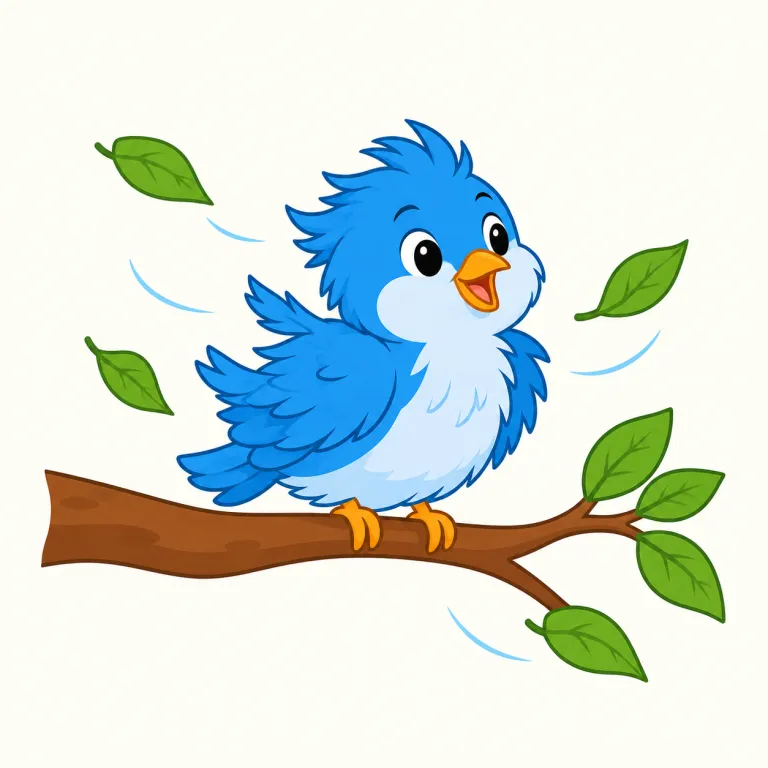
フリル、ひだ飾り
noun 名詞布を細かくギャザーにして作ったフリル、またはそのようなひだ飾り用の布を指す。衣服、寝具、カーテンなどの縁飾りについて用いられる名詞で、風が葉や髪を揺らす動作や人を動揺させる意味とは異なる。
羽や毛を逆立てる、または表面に波のような動きを作る動作。転じて、誰かを動揺させたり、不快感を与えたりすることを意味する。
Ruffling means making something uneven, raised, or disturbed. It can be used literally, such as for hair, feathers, or cloth, and also figuratively for upsetting or annoying someone. In emotional use, it often suggests a small or moderate irritation rather than strong anger.
ruffling は ruffle の -ing 形。まず『表面が乱れる』という核を持つと覚えやすいです。鳥の羽、髪、布の表面がくしゃっと逆立ったり波立ったりする場面を思い浮かべると、そのまま『心をざわつかせる』『人を不快にする』にもつながります。定番の ruffle feathers は直訳では羽を逆立てるですが、実際は相手の神経を逆なでするに近い表現。upset や annoy よりも、『外見や空気を乱して気分まで乱す』感じを意識すると残ります。shuffling などの似たつづりとは分けて、『乱れ・波立ち』の絵で固定するとよいです。
Think of `ruffle feathers`, a very common phrase. First imagine feathers or hair standing up, then extend that image to people becoming upset or annoyed. This helps you remember that `ruffling` is stronger than simple `annoying` because it suggests visible tension.
The wind was gently ruffling the leaves of the trees.
風が木々の葉をやさしく揺らしていた。
Her critical comments were ruffling some feathers in the office.
彼女の批判的な発言は、職場の一部の人の神経を逆なでしていた。
The cat's fur was ruffling as it prepared for an attack.
猫は攻撃に備えて毛を逆立てていた。
文脈によって、次の意味でも使われます。
布を細かくギャザーにして作ったフリル、またはそのようなひだ飾り用の布を指す。衣服、寝具、カーテンなどの縁飾りについて用いられる名詞で、風が葉や髪を揺らす動作や人を動揺させる意味とは異なる。
ruffling は ruffle の進行形で、中英語 ruffelen、さらに低地ドイツ語系の「しわくちゃにする」語にさかのぼります。表面を乱してでこぼこにする感覚から、「羽を逆立てる」や「気分を乱す」の意味が生まれました。関連語は ruffle, ruffled。
"Ruffling" is the "-ing" form of "ruffle," which goes back to Middle English and probably to Low German forms meaning to make rough or wrinkled. The earliest idea was disturbing a surface so it became uneven. From that, English developed wider uses for stirring feathers, cloth, or even feelings.
この英単語をクイズで覚えよう