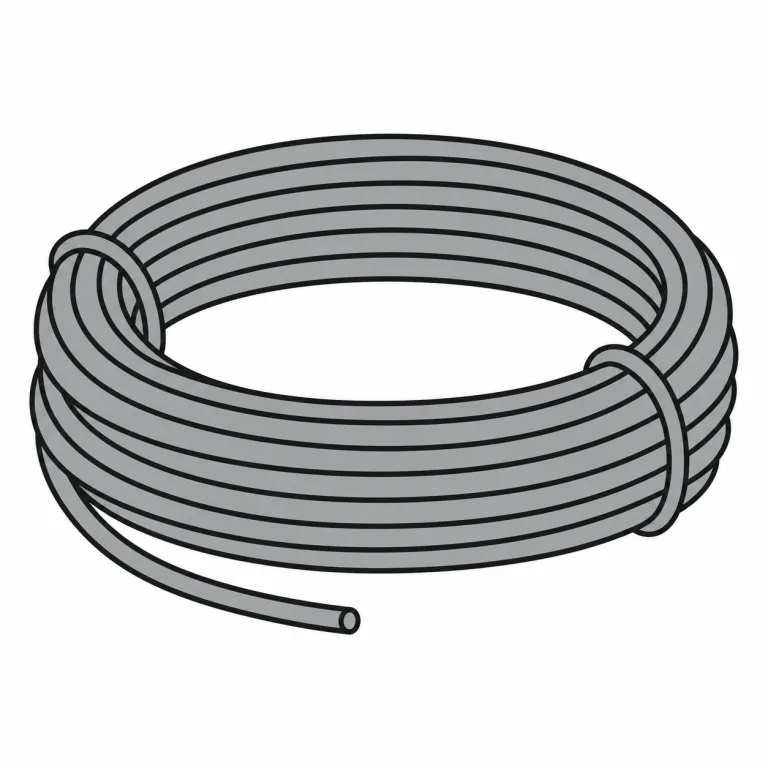
ワイヤー
解説 Definition
中英語で用いられた wire(針金、金属線)の歴史的な綴り。現代標準英語では wire と書く。
A Middle English spelling of modern wire, referring to metal thread or a slender metal strand. In present-day standard English, use the spelling wire.
覚え方のコツ Memory Tip
wir は現代英語の wire「針金・電線」につながる中英語の綴りです。語末の e がない歴史的な形として認識し、現代の作文では wire、配線なら wiring、無線なら wireless を使いましょう。
Treat wir as a Middle English spelling ancestral to modern wire. Notice the missing final e, but use wire in present-day English. Connect it with the modern family wire, wired, wiring, and wireless.
例文
The Middle English spelling wir later gave way to wire.
中英語の綴り wir は、のちに wire に置き換わりました。
In modern English, use wire rather than wir.
現代英語では、wir ではなく wire を使います。
wir の類義語・関連語
wir の語源・成り立ち Etymology
古英語 wīr(針金)からゲルマン祖語 *wīraz に遡る。金属を細く引き伸ばすものを指し、ラテン語 viēre(編む)と同根とされる。関連語: wireless(無線)、wiring(配線)。「編む・撚る」が原義で、金属を撚り合わせた細い線という意味に発展した。
Wir represents a rare historical or dialectal spelling associated with modern wire. The standard word descends from Old English wīr, meaning “metal thread or fine metalwork,” and has cognates in other Germanic languages. Its deeper history is commonly connected with the idea of twisting, turning, or plaiting material. Over time, wire became the established English spelling and developed specialized uses for electrical conductors, fencing, cables, and other thin metal strands.
同じレベルの語彙をもっと
外部辞書で調べる
この英単語をクイズで覚えよう