えいたんごクイズ

withered

/ˈwɪðɚd/

意味一覧 (4件)

adjective

しおれた

解説 Definition

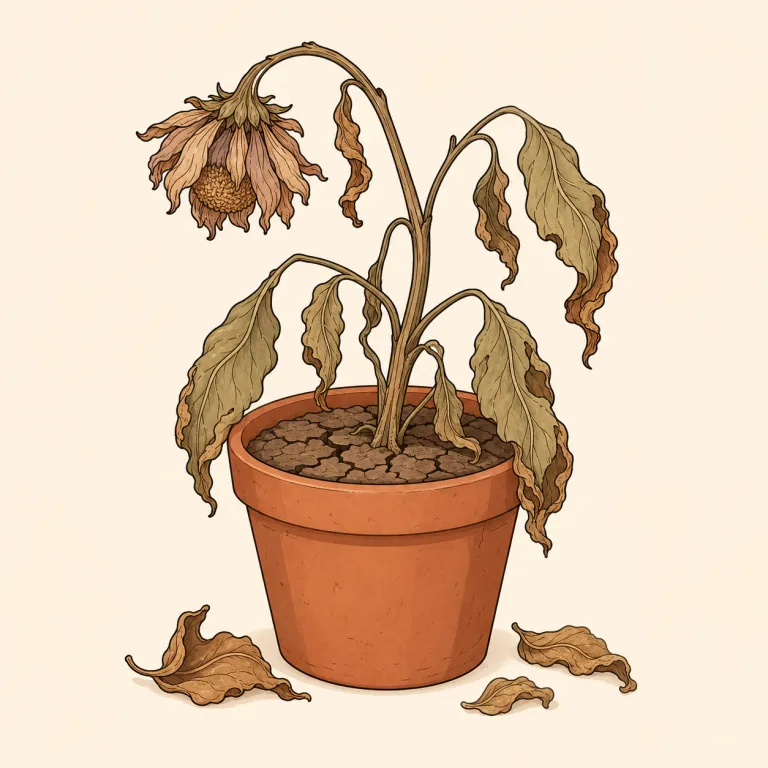
花・葉・草などが水分や元気を失い、ぐったり垂れたり縮んだりしている様子を表します。完全に枯れて死んだ状態よりも、暑さや水不足で張りをなくした見た目に焦点があります。

Withered describes flowers, leaves, grass, or other plants that have lost water and energy, so they hang down or look smaller and weaker. It focuses on the soft, drooping appearance caused by heat or lack of water, not on being completely dead. The word is often used for things that have lost their fresh, healthy look.

覚え方のコツ Memory Tip

figure には「形」だけでなく「表すもの」「象徴的な姿」という広がりがあり、figural はそこから「別の形で意味を表す」と考えると覚えやすいです。-al は formal, cultural のように「…に関する」を作る形容詞語尾。日常では figurative の方が普通ですが、figural は文学批評や解釈の文脈で、literal「文字どおりの」と対比されやすい硬めの語です。

Think of withered as sounding a little like with no water. When a plant is withered, it has lost water, so it droops and looks weak. This word is about losing freshness and firmness, not always about being fully dead.

例文

The withered flowers needed water right away.

そのしおれた花はすぐに水が必要だった。

By noon, the garden looked full of withered leaves after the hot, dry morning.

暑く乾いた朝のあと、正午までには庭がしおれた葉でいっぱいに見えた。

She picked up the withered bouquet and sighed at how quickly it had lost its beauty.

彼女はしおれた花束を持ち上げ、その美しさがこんなに早く失われたことにため息をついた。

adjective

れた

(意味 2)

解説 Definition

植物や物体が乾いて枯れ、生気を失った状態を表します。水分を失い、しわが寄ったり縮んだりした外観をしている様子を指します。比喻的に人間の衰弱を表すこともあります。

Withered means dry, weak, and shrunken, usually because of age, heat, or lack of water. It is often used for plants, but it can also describe a person’s body or appearance in a literary way. The word suggests loss of life, strength, or freshness.

覚え方のコツ Memory Tip

withered は、花や葉が水分や生命力を失って「枯れた」「干からびた」状態を表す形容詞です。動詞 wither「しおれる、枯れる」に -ed が付いて、すでにその状態になった感じを作ります。withered leaves のように植物が乾いてもろくなった場面や、文学的に a withered face「しわが寄って生気のない顔」のような人の衰弱にも使われます。

First remember the verb `wither`, often used for flowers or leaves losing life. `Withered` is the state after that has happened, because `-ed` often shows a finished condition. It feels dried out and weak, as in `withered leaves` or `a withered face`.

例文

The withered flowers fell to the ground.

枯れた花は地面に落ちました。

Without water, the plant became withered and brittle.

水がなければ、植物は枯れてもろくなりました。

The old man's withered hand trembled slightly.

老人の枯れた手は少し震えました。

verb

しおれた

(意味 3)

解説 Definition

植物や花などが水分を失い、しおれて衰える状態を表します。また、年月とともに人間の肌や体が老け込んで、しぼんだ様子も意味します。

例文

The flowers looked withered after days without water.

その花は何日も水をやらずにいたので、しおれているように見えた。

The plant's withered leaves indicated it needed better care.

その植物のしおれた葉は、より良いケアが必要であることを示していた。

The withered vines hung from the abandoned building.

しおれたつるが放棄されたビルから垂れ下がっていた。

verb

おとろえた

(意味 4)

解説 Definition

活力や強さが失われて、衰える状態。植物が枯れるように、人の力や希望などが時間とともに弱まることを指す。

例文

His strength withered as he grew older and weaker.

年を取り、弱くなるにつれて、彼の力は衰えた。

The empire's power withered over centuries of decline and poor leadership.

帝国の力は数世紀の衰退と悪い指導力で衰えた。

Hope withered as the rescue effort seemed to fail.

救助活動が失敗するように見えるにつれて、希望は衰えた。

withered の語源・成り立ち Etymology

withered は wither「しおれる」に -ed が付いた形です。wither は古英語 wiðerian「乾いて縮む」に由来し、水分や張りを失う感覚が核にあります。

Withered comes from the verb wither plus the ending -ed. Wither goes back to Old English with a sense of drying up and shrinking. The core idea is losing moisture and firmness.

外部辞書で調べる

この単語を英単語クイズで覚えよう