wither
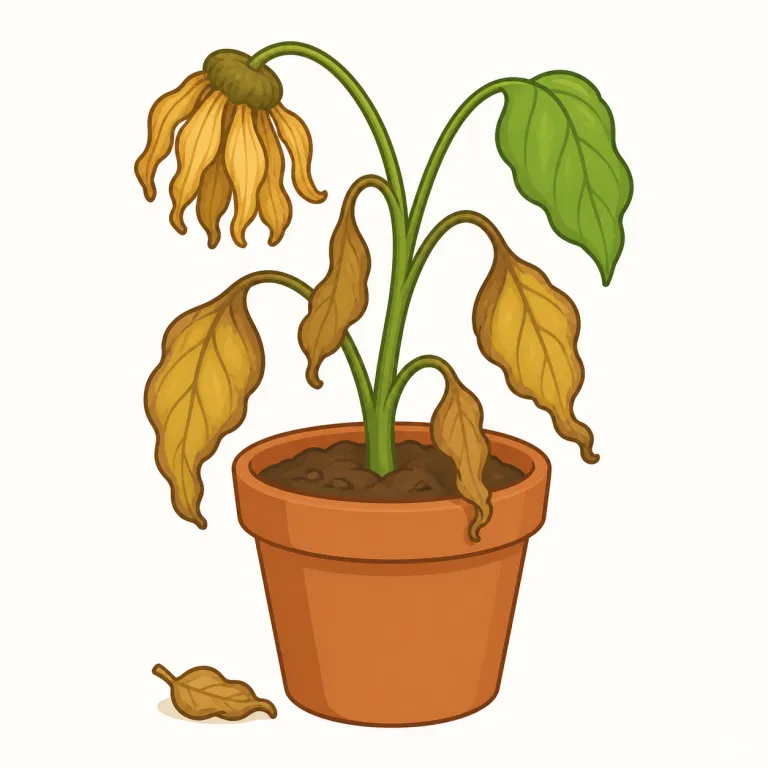
wither は英検準1級レベルの英単語で、「枯れる」という意味があります。発音記号は /ˈwɪðɚ/ です。
枯れる
解説 Definition
植物の茎や葉が水分を失って枯れたり萎れたりする状態を指す。芽がしおれたり生気がなくなってしぼんだりする様子を伴う。転じて、活力や勢いが失われて衰える過程も表す。
Wither means to become weak, dry, or damaged, especially because of heat, lack of water, or age. It is commonly used for plants and flowers, but it can also describe something becoming less strong or successful over time. The word often suggests a gradual loss of life or energy.
覚え方のコツ Memory Tip
植物が水を失って、葉や花がしぼみ、細く弱っていく場面を頭に置くと覚えやすいです。まず形容詞 withered「しおれた・枯れた」とセットにし、withering flowers / withered leaves の形で一緒に見るのが有効。die が単に「死ぬ」なのに対し、wither は『水分や活力が抜け、見た目にも縮んでいく』感じが中心です。比喩でもよく使われ、hope, confidence, support などが wither すると『勢いを失ってしぼむ』感覚になります。近い語 wilt もありますが、wither のほうが乾いて衰えきるニュアンスが強めです。
Picture a flower slowly losing water and becoming dry and weak. That shrinking, drying image helps with `wither`, and the adjective `withered` is a good partner word to learn with it. It is also used for feelings or hopes that slowly lose strength.
例文
The flowers began to wither without water.
その花は水がなくて枯れ始めた。
Her confidence withered after the failure.
その失敗のあと、彼女の自信はしぼんでしまった。
The leaves wither in the cold autumn wind.
その葉は冷たい秋風に吹かれて枯れてしまう。
wither の類義語・関連語
wither の語源・成り立ち Etymology
wither は中英語 widderen にさかのぼり、古英語 wederian「風雨にさらす」と結びつけて説明されることが多い。weather と同系で、風雨に当たってしおれ縮む感覚から「枯れる」へ進んだ。関連語は weather, withered。
Wither goes back to Middle English widderen and is often connected with Old English forms related to weather and exposure to wind and rain. The basic idea was becoming shriveled or weakened by the effects of the air and seasons. From that physical sense, it developed into the meaning of drying up or fading away.
同じレベルの語彙をもっと
英検準1級の一覧へ →外部辞書で調べる
この英単語をクイズで覚えよう