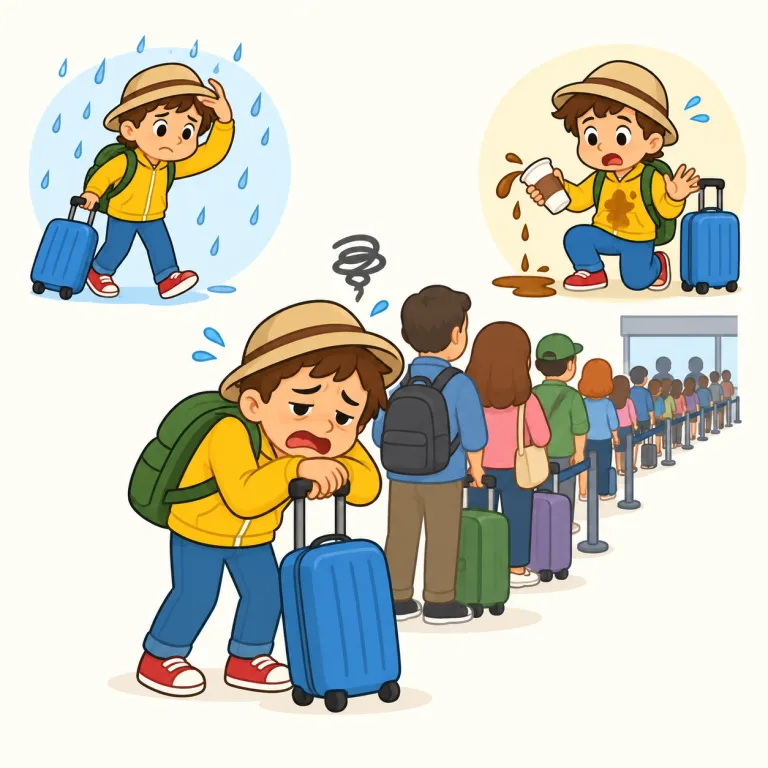
最悪の
解説 Definition
worst は bad(悪い)の最上級で、「最悪の」という意味です。いくつかの中でいちばん悪いものや状態を表すときに使います。
More bad, unpleasant, harmful, or unsuccessful than every other person or thing being compared. As the superlative form associated with bad, it commonly follows the and modifies a noun.
覚え方のコツ Memory Tip
worst は bad「悪い」の不規則な最上級で、bad–worse–worst とまとめて覚える。二つを比べる worse「より悪い」に対し、三つ以上や全体の中で最下位なら the worst「最悪の」。worst day、worst mistake、worst part のように「最も避けたい一つ」を選ぶ場面を思い浮かべる。発音は /wɜːrst/。
Learn the irregular three-part set bad–worse–worst rather than trying to add -est to bad. Worse is the comparative form for something more bad than another; worst is the superlative for the one that is more bad than all the others. Picture ranking several experiences: a bad day, a worse day, and the worst day. Common combinations such as the worst mistake, the worst part, and the worst result reinforce the idea of the lowest position on a scale of quality. The word is pronounced /wɜːrst/.
例文
This is the worst day.
今日は最悪の日です。
That was my worst mistake.
それは私の最悪の失敗でした。
The worst part was the long wait.
最悪だったのは長い待ち時間でした。
worst の類義語・関連語
worst の語源・成り立ち Etymology
古英語 wyrrest(最も悪い)から。ゲルマン祖語 *wursistaz に遡り、bad ではなく古英語 yfel(evil)系統の比較変化。worse(より悪い)と同根。good-better-best と対をなす不規則変化で、語根自体が「混乱させる」を意味した。
Worst comes from Old English wyrrest or wierrest, an inherited Germanic superlative form related to worse. Its history is separate from the later everyday adjective bad, even though modern English uses worse and worst as the comparative and superlative forms of bad. This inherited mismatch explains the irregular pattern bad–worse–worst. A parallel irregular series is good–better–best, which learners often memorize alongside it.
同じレベルの語彙をもっと
外部辞書で調べる
この英単語をクイズで覚えよう