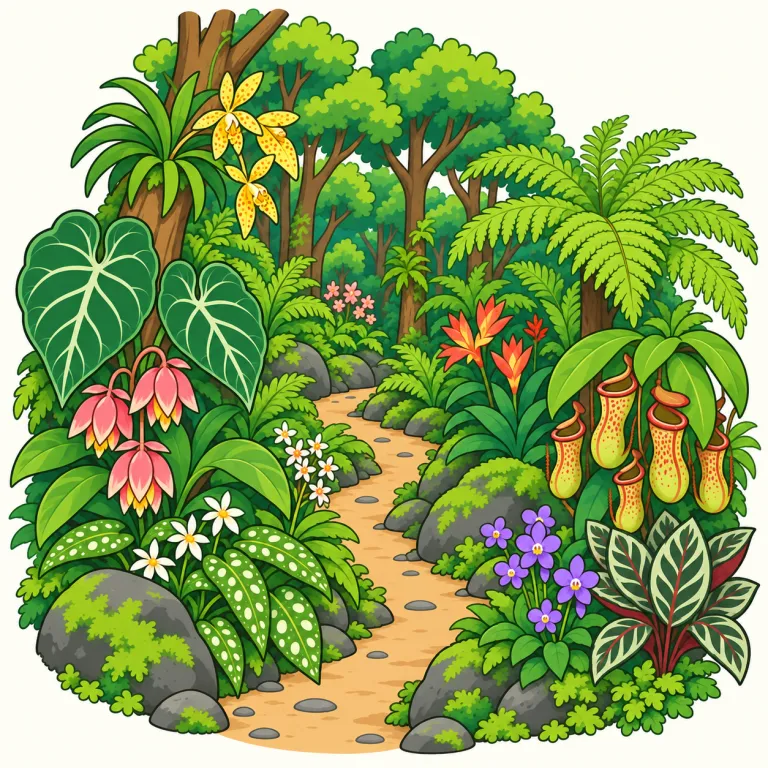
豊富な
解説 Definition
場所やものに何かが非常に豊富にある、満ちている様子を表します。自然、資源、性質などを描写する、やや文語的な表現です。
Abounding describes a place or thing that contains something in very large quantities. It is commonly used after a noun with in or with, especially in somewhat literary descriptions of nature, resources, qualities, colors, or living things.
使い方 Usage
- 名詞の後ろに abounding in/with ~を置き、「~が豊富な」と説明することが多いです。 Abounding often follows a noun with in or with to describe what is present in large quantities.
- forests abounding with rare plants「珍しい植物が豊富な森」、a garden abounding in color「色彩に満ちた庭」のように使います。 Examples include forests abounding with rare plants and a garden abounding in color.
覚え方のコツ Memory Tip
abound「豊富にある」に、綴りを変えず -ing を加えた形です。植物が豊富な森や、魚がたくさんいる川を想像し、何かであふれるほど満ちたイメージと結び付けましょう。
Add -ing to abound, meaning to exist in large quantities, without changing the spelling. Picture forests full of plants or rivers full of fish, and connect abounding with being richly filled, almost overflowing.
例文
The island has forests abounding with rare plants.
その島には、珍しい植物が豊富にある森があります。
We walked through a garden abounding in color and scent.
私たちは色と香りに満ちた庭を歩きました。
The region is known for rivers abounding with fish.
その地域は魚が豊富な川で知られています。
abounding の類義語・関連語
類義語
abounding の語源・成り立ち Etymology
abound の現在分詞・形容詞形で、語源は古フランス語 abunder、さらにラテン語 abundare「波のようにあふれる」です。ab-「外へ」+ unda「波」で、関連語 abundant, inundate を見ると、「豊かさがあふれている」感じがつかめます。
Abounding is the present participle and adjectival form of abound. Abound entered English through Old French abunder from Latin abundare, meaning to overflow or be plentiful. The Latin verb is traditionally analyzed through ab-, suggesting movement away or outward, and unda, meaning wave. That image of water rising and flowing beyond its limits developed naturally into the figurative idea of plentiful things filling a place. Related English formations include abundant and inundate.
同じレベルの語彙をもっと
外部辞書で調べる
この英単語をクイズで覚えよう