
accent
accent はTOEIC 730・TOEFL 60・IELTS 5.5レベルの英単語で、「訛り、独特の発音、アクセント、強勢」という意味があります。発音記号は /ˈæksɛnt/ です。
意味一覧 (2件)
訛り、独特の発音
解説 Definition
人や地域に特有の発音の仕方や話し方の癖を指す語。母音や子音の発音、イントネーション、リズムなどの違いとして現れ、話し手の出身地や言語的背景が感じられる。文脈によっては「訛り」に近い意味で使われる。
An accent is a particular way of pronouncing a language, often connected to a region, country, or social group. It is usually noticed in the sounds, stress, and rhythm of speech. Having an accent is natural and does not mean someone speaks incorrectly.
覚え方のコツ Memory Tip
accent は「発音の中で目立つ特徴」として覚えると残る。英語学習で出る word accent(語の強勢)と同じく、どこかの音がはっきり“際立つ”感覚が核にあり、そこから人や地域らしさのある話し方全体を指して「訛り・独特の発音」になる。have a strong accent, speak with a French accent の形で頻出。dialect が語彙・文法まで含む「方言」なのに対し、accent は主に発音面の違い。
Think of `accent` as the part of pronunciation that stands out. That helps you connect word stress and a person's way of speaking under one idea: a noticeable sound pattern. Also remember the contrast: `accent` is mainly about pronunciation, while `dialect` also includes vocabulary and grammar.
例文
She speaks with a British accent.
彼女はイギリス訛りで話す。
His accent is sometimes hard to understand.
彼の訛りはときどき聞き取りにくい。
Her accent changed after moving abroad.
海外に引っ越してから、彼女の訛りは変わった。
えいたんごクイズでの正答率
この語をはじめて出題された 31人 のうち 25人 が正解しました(81%)。
えいたんごクイズの回答から集計した独自データです。1人につき最初に出題されたときの1回だけを数えており、復習や2回目以降の回答、「わからない」と時間切れは含みません。 集計時点は 2026年9月19日 です。
アクセント、強勢
(意味 2)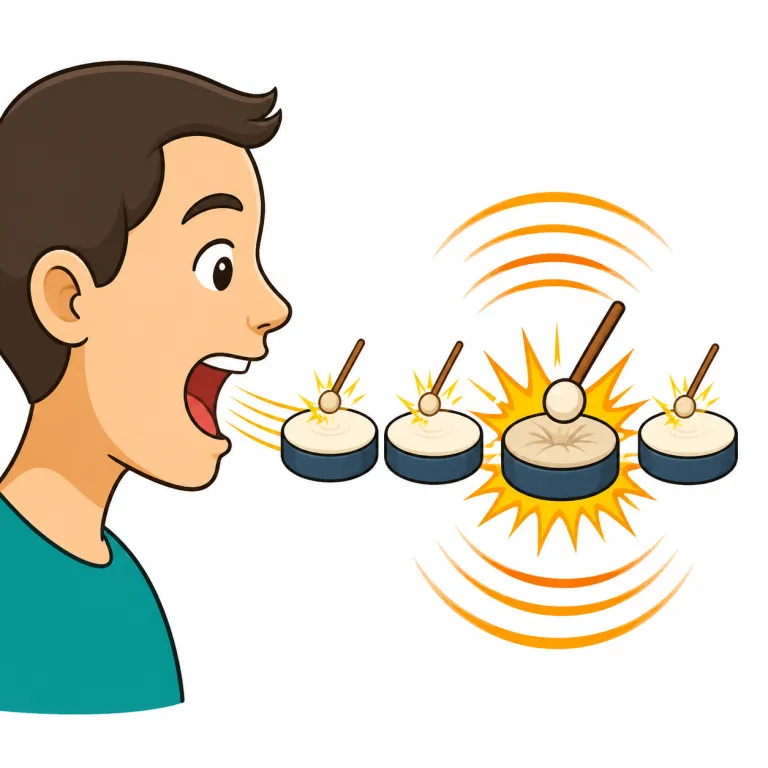
解説 Definition
accent は、語や音節のどこを強く読むかという発音上の強まりを表します。英語学習では、単語の正しいアクセント位置や、文の中でどこを強く言うかを説明するときによく使われます。
The extra force or prominence given to a syllable or word when speaking. It helps identify which part of a word or sentence is emphasized in pronunciation.
例文
The accent is on the second syllable.
アクセントは2番目の音節にあります。
She put the accent on the wrong word.
彼女は違う語に強勢を置いてしまった。
Japanese learners often struggle with the accent patterns of English words.
日本語話者の学習者は英単語のアクセントの型に苦労しがちだ。
accent の類義語・関連語
accent の語源・成り立ち Etymology
ラテン語 accentus にさかのぼり、ad-「〜へ」+ canere「歌う」から成る語です。古フランス語を経て英語に入り、声に“歌うような調子”を添えることから、発音の強勢やなまりを指すようになりました。関連語は chant, incantation。
Accent comes from Latin accentus, from ad- meaning to and canere meaning to sing. It passed through Old French before entering English. The original image was of adding a musical tone or pitch to speech, which later developed into the ideas of stress in pronunciation and characteristic speech patterns; related words include chant and incantation.
同じレベルの語彙をもっと
TOEIC 730の一覧へ →外部辞書で調べる
この英単語をクイズで覚えよう