内転させる
verb 動詞解剖学で、腕や脚などを身体の正中面へ、または指などを手足の基準軸へ近づける「内転」をさせることを表す他動詞です。正中面や基準軸から遠ざける abduct(外転させる)と対になります。
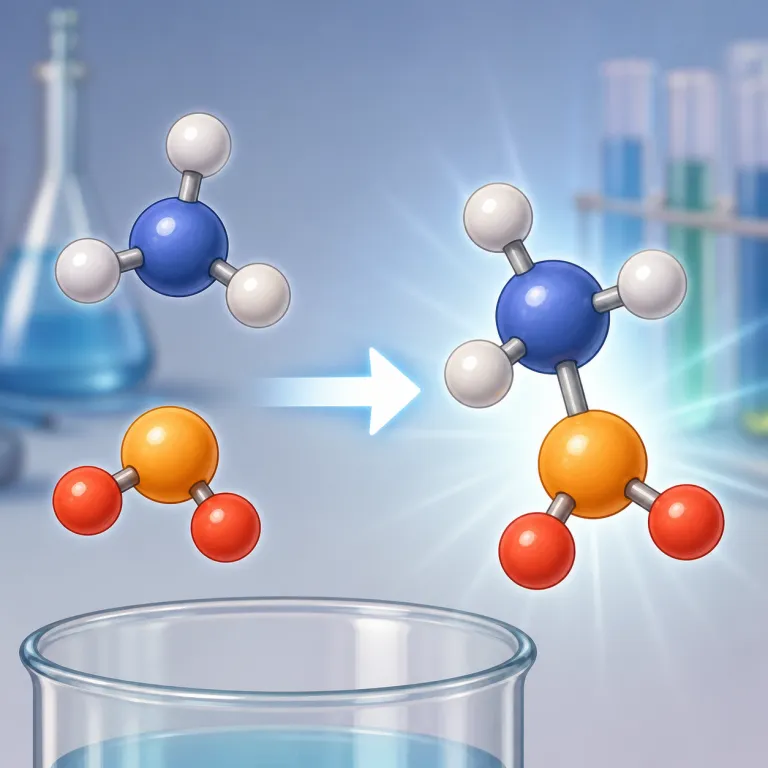
化学で、二つ以上の分子やイオンが結合してできた付加体のことです。DNA adduct や protein adduct のように、元の分子に別の成分が付加して生じた全体を指します。
An adduct is a chemical product formed when two different substances join together directly. This word is mainly used in chemistry and usually refers to a combined molecule made without losing major parts.
adduct はまず「分子に add されたもの」と結びつけると覚えやすいです。つづりは add そっくりですが、語形は ad-duct で、conduct / deduct などの -duct 語群の仲間。化学では単独の物質名というより、別の分子に何かがくっついてできた“付加体”を指します。DNA adduct, protein adduct のように『元の分子+あとから結合した部分』のセットで記憶すると定着しやすいです。動作ではなく、結合後の結果を表す名詞だと押さえるのがコツです。
This word is useful if you connect it with `add`: an `adduct` is something formed when one molecule gets added to another. It belongs to the scientific `-duct` family in spelling, but the memory hook is still the idea of addition. Picture a phrase like `DNA adduct` as "DNA plus something attached to it."
The adduct formed in the chemical reaction.
その付加物は化学反応で形成されました。
The protein adduct revealed the compound's structure.
そのタンパク質付加物は化合物の構造を明らかにしました。
The DNA adduct caused mutations.
そのDNA付加物は突然変異を引き起こしました。
文脈によって、次の意味でも使われます。
解剖学で、腕や脚などを身体の正中面へ、または指などを手足の基準軸へ近づける「内転」をさせることを表す他動詞です。正中面や基準軸から遠ざける abduct(外転させる)と対になります。
ラテン語 adducere(引き寄せる)から。ad-(~へ)+ ducere(導く)に分解できる。関連語に conduct(導く)、deduce(推論する)がある。化学では二つの分子が「引き寄せ合って」結合した生成物を指し、原義の「近づけたもの」がそのまま反映されている。
Adduct comes from Latin adducere, meaning "to lead or bring to." It is made from ad- "to" and ducere "to lead," the same root seen in conduct and deduce. In chemistry, the word was applied to a product formed when two molecules are brought together into one combined structure.
この英単語をクイズで覚えよう