食器の片づけ
noun 名詞主に米国の飲食店で、客が使い終えた食器を下げ、テーブルを片づける作業を指す。bussing tables の形が典型的で、客や生徒をバスで運ぶこととは異なる bus の動名詞用法である。
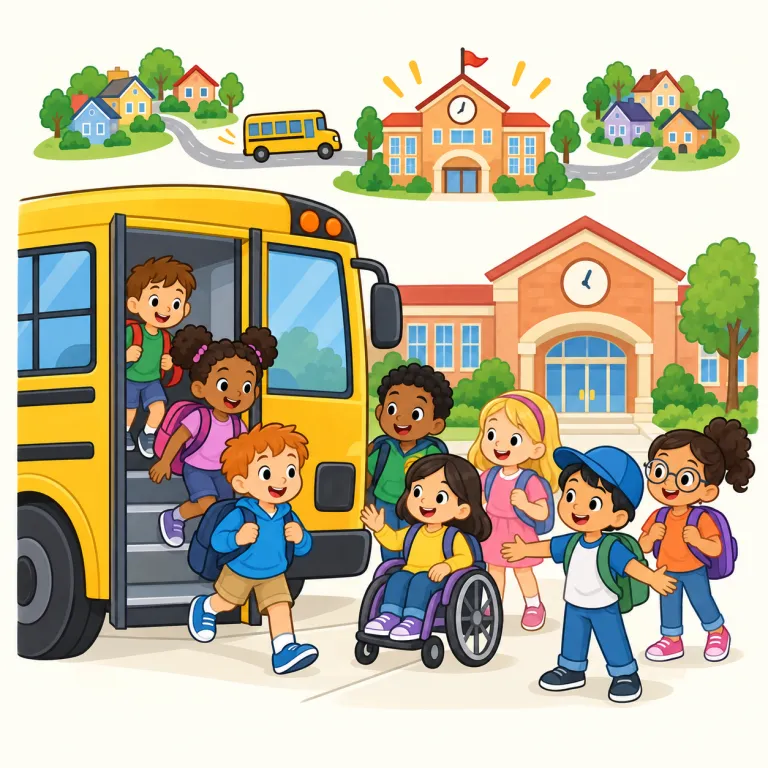
児童や生徒をバスで別の学区や学校へ通わせること、またはその制度を指す語。特にアメリカでは、人種隔離の是正や学校統合を進めるために行われた通学政策を意味することが多く、教育史や社会政策の文脈で使われる。
Bussing is the practice or policy of taking students to school by bus, especially to schools outside their local area. It is often used in discussions of education policy and racial integration. In historical and political contexts, the word usually refers to organized school transport rather than ordinary commuting.
bus に -ing がついた形なので、まず「バスで運ぶこと」を中心に置くと覚えやすいです。教育文脈では単なる通学ではなく、school bussing / students were bused to another school のように、学区をまたいで別の学校へ送る政策を指すことが多い語です。特に米国史では desegregation や school integration と結び付けると記憶に残ります。『移動手段の話』から『教育政策の話』へ広がる語だと捉えるのがコツ。なお restaurant の bussing tables とは別義なので混同に注意。
When you see `bussing` in U.S. history or education, think of `school bussing`, not just riding a bus. It often appears near words like `desegregation`, `integration`, `civil rights`, and `court order`. That connection helps you remember it as a policy issue, especially in the 1960s and 1970s.
Bussing was introduced in some cities to reduce school segregation.
学校での人種隔離を減らすため、一部の都市でバス通学政策が導入された。
Bussing played a role in school desegregation.
バス通学政策は学校の人種分離撤廃に一定の役割を果たした。
The bussing program transported students to different schools to support integration.
そのバス通学政策では、学校統合を進めるため、生徒を別の学校へ通わせた。
文脈によって、次の意味でも使われます。
主に米国の飲食店で、客が使い終えた食器を下げ、テーブルを片づける作業を指す。bussing tables の形が典型的で、客や生徒をバスで運ぶこととは異なる bus の動名詞用法である。
bussing は bus に -ing が付いた形です。bus は omnibus の短縮で、ラテン語 omnibus「すべての人のために」に由来するため、「皆を運ぶ乗り物」から「バスで行く・運ぶ」という意味が自然に生まれました。関連語は omnibus、omnivore。
Bussing comes from bus plus -ing. Bus is a shortened form of omnibus, from Latin omnibus, meaning "for all" or "for everyone." The idea began with a vehicle for everyone, and later produced the sense of carrying or moving people by bus.
この英単語をクイズで覚えよう