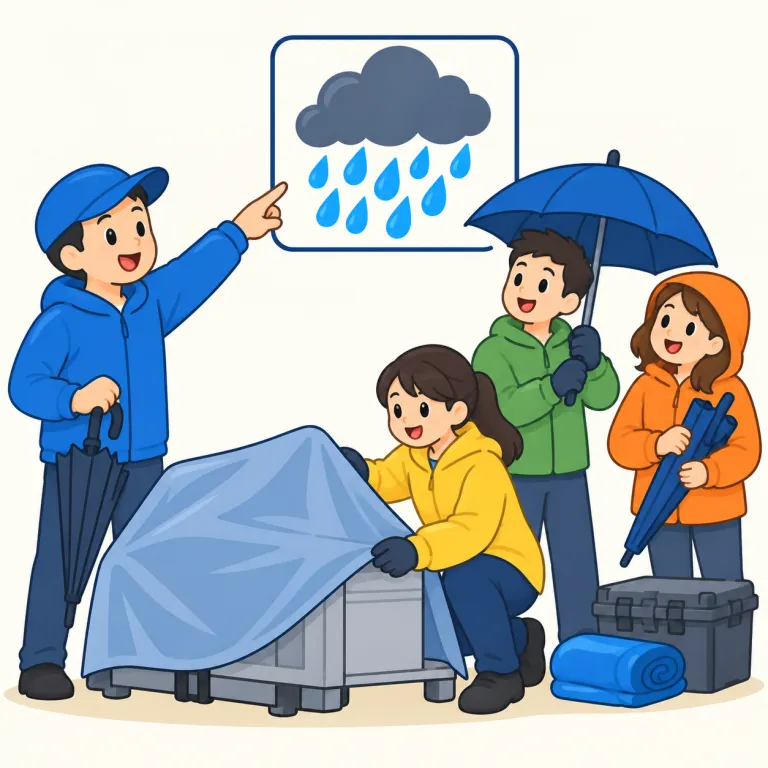
予想する
解説 Definition
anticipates は anticipate(予想する、見込む)の三人称単数現在形です。将来起こりそうなことを前もって考える、または備える場面で使われます。
Anticipates is the third-person singular present form of anticipate. It means that a person, organization, plan, or report expects a future event or condition, often after considering available information and sometimes with the idea of preparing for it.
覚え方のコツ Memory Tip
原形 anticipate「予想する」に三人称単数現在の -s を付けた形です。語末が無声音 /t/ なので -s は /s/ と発音され、anticipate /ænˈtɪsəpeɪt/ に対し anticipates は /ænˈtɪsəpeɪts/ となります。主語が she、the team、the report など単数のときに使い、将来を先取りして考える場面と結び付けましょう。
Link anticipates to the base verb anticipate, “to expect or consider something before it happens.” It is the third-person singular present form, made by adding -s. Because anticipate ends in the voiceless sound /t/, the ending is pronounced /s/, producing /ænˈtɪsəpeɪts/. Use it with singular subjects such as she, the team, or the report. The word’s historical components suggest taking something beforehand, so imagine mentally reaching forward and grasping a future event. This helps connect prediction with possible preparation: a team anticipates rain and prepares suitable equipment.
例文
The team anticipates heavy rain this weekend.
チームは今週末に大雨になると予想しています。
She anticipates a busy day at the office.
彼女は職場で忙しい一日になると予想しています。
The report anticipates a small rise in food prices next month.
その報告書は来月、食品価格が少し上がると予想しています。
anticipates の類義語・関連語
anticipates の語源・成り立ち Etymology
anticipates はラテン語 anticipare に由来する anticipate の三人称単数形で、anti-/ante「前もって」+ capere「取る」から成ります。もとは「先に取る」なので、出来事を前もってつかむ感覚から「予想する」となり、capture も同じ cap 系です。
Anticipates is the third-person singular present form of anticipate. Anticipate comes from Latin anticipare, meaning “to take beforehand” or “act in advance.” It is based on ante, “before,” and capere, “to take.” The original image of taking something ahead of time developed into the mental sense of grasping a future event before it occurs. English words such as capture also reflect the Latin element related to capere.
同じレベルの語彙をもっと
外部辞書で調べる
この英単語をクイズで覚えよう