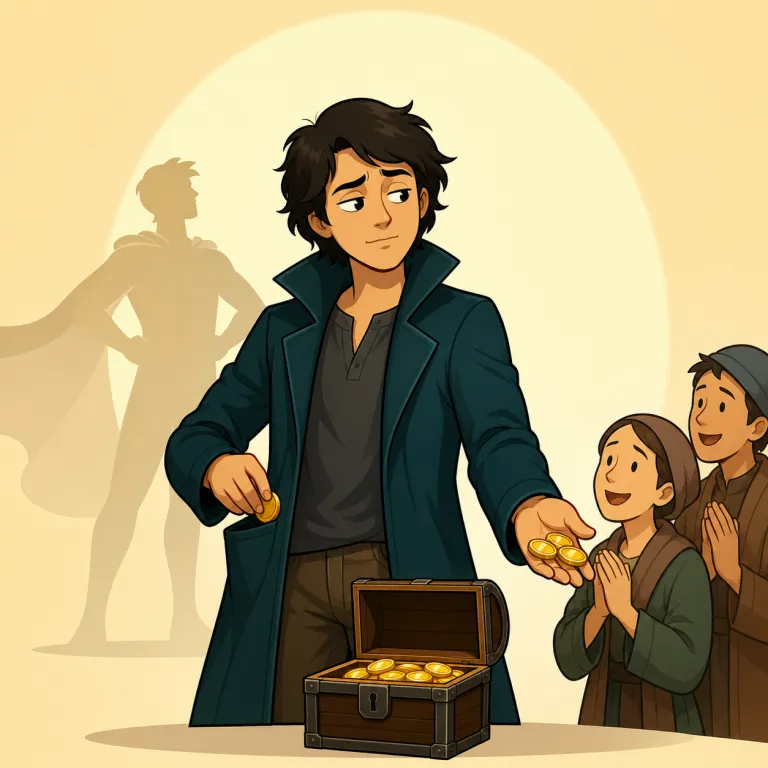
欠点や道徳的な弱さを持つ主人公
解説 Definition
物語の中心人物ではあるが、勇敢さや高潔さといった典型的な英雄の資質を十分には備えていない人物を指す。利己的だったり、弱さや欠点を抱えていたりし、読者の共感を集めつつも道徳的に複雑な主人公として描かれることが多く、善悪が単純に割り切れない魅力がある。
An antihero is the main character in a story who does not have the usual qualities of a traditional hero. This person may be selfish, weak, morally unclear, or flawed, but still remains central to the story. The word is common in literature, film, and TV discussions.
覚え方のコツ Memory Tip
anti- は antinormal のように「典型から外れる・反する」方向を示す接頭辞だと押さえ、hero と合わせて「英雄なのに、いかにも英雄らしくはない主人公」と捉えると覚えやすいです。villain ではなく、あくまで物語の中心にいる人物なのがポイント。superhero のような高潔で強い存在と対比しつつ、欠点・利己心・道徳的な曖昧さを持ったまま読者を引っ張る人物像としてまとめると定着します。
`Anti-` often gives the idea of being against the normal form of something. So an `antihero` is a hero who does not feel like a classic hero. Remember it by contrasting it with `superhero`: central character, but flawed and morally messy.
例文
The protagonist of the novel is an antihero.
その小説の主人公は、典型的な英雄像から外れた欠点のある人物だ。
Many modern TV series feature antiheroes instead of traditional heroes.
多くの現代のテレビシリーズでは、従来の英雄ではなく、道徳的に複雑な主人公が描かれる。
The antihero struggles with moral dilemmas throughout the story.
その欠点を抱えた主人公は、物語を通して道徳的な葛藤に苦しむ。
antihero の類義語・関連語
antihero の語源・成り立ち Etymology
anti-はギリシャ語で「反対」、heroはギリシャ語hērōs「英雄」に由来し、正統派の英雄像に逆らう人物を表します。antagonistやheroineも同系で、勇者そのものより「英雄らしくない英雄」というズレが語の核心です。
Antihero combines anti-, from Greek meaning "against" or "opposite," with hero, from Greek heros. The word developed to describe a central character who does not fit the usual model of a noble or admirable hero. Related words include antagonist and heroine, but antihero keeps the idea of a hero with that expectation turned upside down.
同じレベルの語彙をもっと
外部辞書で調べる
この英単語をクイズで覚えよう