be short of
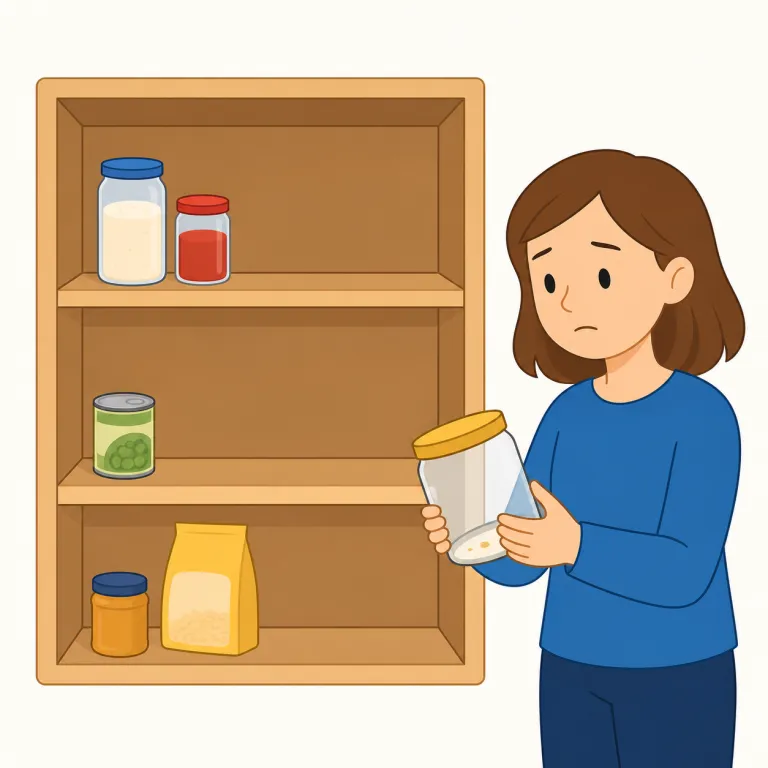
be short of は英検2級レベルの英語表現で、「不足している」という意味があります。発音記号は /ˈbiː ˈʃɔːrt ˈəv/ です。
不足している
解説 Definition
何か(物・量・時間など)が足りない、不足しているという状態を表す表現。
To be short of something means to not have enough of it. It is often used for money, time, space, or supplies. This phrase usually suggests a practical problem or need.
覚え方のコツ Memory Tip
short は「短い」から、「必要ラインまで長さ・量が届かない」→「足りない」と広げると記憶しやすい。be short of time / money / staff / food のように、不足しやすい名詞とよくセットで出る。run out of が「完全になくなる」寄りなのに対し、be short of は「あるが十分ではない」場面にも使える。shortage(不足)も同根なので一緒に結ぶと定着する。
Start from `short` = not long enough. Then extend that idea to amount: if something is short, it does not reach the needed level. Remember common pairs like `short of time`, `short of money`, and `short of staff`.
例文
We are short of time to finish the report.
レポートを仕上げるには時間が不足している。
We are short of rice for dinner.
夕食用の米が足りない。
The hospital is short of nurses.
その病院では看護師が不足している。
be short of の類義語・関連語
be short of の語源・成り立ち Etymology
shortは古英語sceortで「短い、足りない」。of は「~について」の分離を示す前置詞。short ofで「~に届かない」が原義で、必要量に対して不足している状態を表す。関連語:shortage(不足)、shortfall(欠損)。長さの不足から量の不足へ意味が拡張した。
Short comes from Old English sceort, meaning "not long" or "not enough." In short of, the idea was originally "not reaching" or "falling below" something. Over time, this moved from physical length to amount, so it came to mean lacking what is needed. Related words include shortage and shortfall.
同じレベルの語彙をもっと
英検2級の一覧へ →外部辞書で調べる
この英語表現をクイズで覚えよう