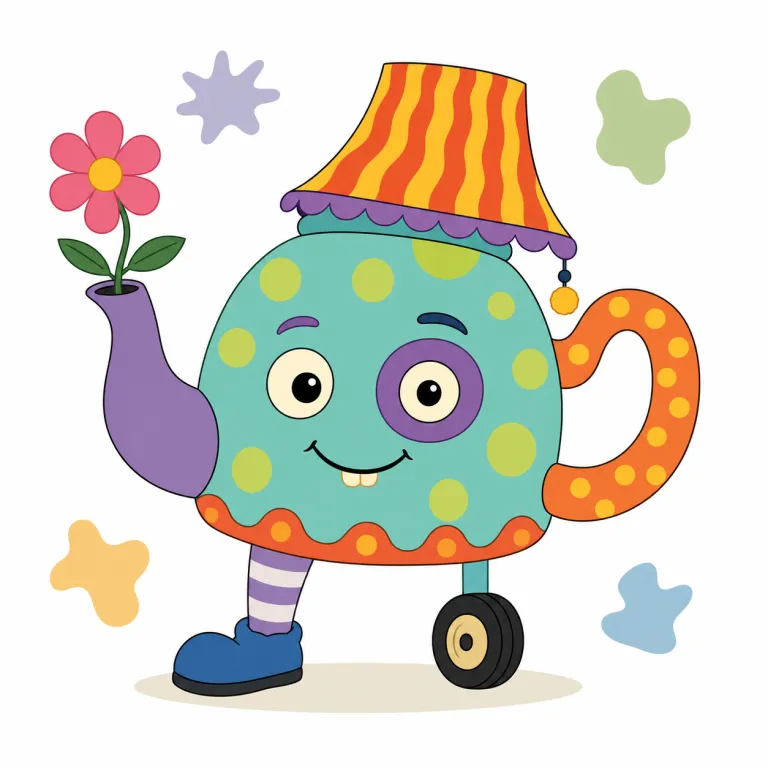
bizarre
bizarre は英検準1級・TOEIC 860・TOEFL 80・IELTS 6.5レベルの英単語で、「奇妙な」という意味があります。発音記号は /bɪˈzɑːr/ です。
奇妙な
解説 Definition
極めて奇妙または不可思議な状態、通常の範囲から大きく逸脱している様子。
If something is bizarre, it is very strange, unusual, or unexpected in a surprising way. It is often used for behavior, events, or appearances that seem hard to understand or outside what is normal. The word usually has a strong tone and suggests something noticeably odd.
覚え方のコツ Memory Tip
bizarre は「ただ変」ではなく、見聞きした瞬間に「えっ、普通じゃない」と引っかかる強い奇妙さに結びつけると残りやすい語です。strange や weird よりも、異様さ・不可解さが前に出る感じ。a bizarre incident, bizarre behavior, a bizarre outfit のように事件・行動・見た目によく使います。発音は /bɪˈzɑːr/、つづりが似る bazaar は「市場」で別語なので混同注意。ニュースや映画で「現実離れした変さ」を見たらこの語を思い出すと定着します。
`Bizarre` is stronger than just `strange`. It often fits things that make you stop and think, “That is really not normal.” Remember it with common pairs like `bizarre behavior`, `bizarre incident`, or `bizarre outfit`, and do not confuse it with `bazaar`, which means a market.
例文
His bizarre behavior shocked everyone at the meeting.
彼の異様な行動は会議でみんなを驚かせた。
The movie has a bizarre and hard-to-follow plot.
その映画は奇妙で分かりにくい筋書きだ。
She wore a bizarre outfit with many colors.
彼女は色とりどりの奇妙な服を着ていた。
bizarre の類義語・関連語
派生語
紛らわしい語
bizarre の語源・成り立ち Etymology
バスク語のbizarr(髭を生やした=男らしい)がスペイン語・フランス語を経て英語に入った。元は「勇敢な」の意味だったが、フランス語で「風変わりな」に意味が変化し、現在の「奇妙な」になった。類語にbazaarがあるが語源は別(ペルシャ語)。
Bizarre probably goes back to Basque bizarr, meaning "bearded," which developed in Spanish and French with ideas like "brave" or "spirited." In French, the sense shifted toward "odd" or "unusual," and English took over that later meaning. Although it looks a little like bazaar, the two words are not related.
同じレベルの語彙をもっと
英検準1級の一覧へ →外部辞書で調べる
この英単語をクイズで覚えよう