身構える、覚悟する
verb 動詞brace oneself for ... や brace for ... の形で、衝撃・悪い知らせ・困難などに備えて身構えることを表します。単に予定を立てるのではなく、予想される負担に耐えられるよう心身を引き締める含みがあります。
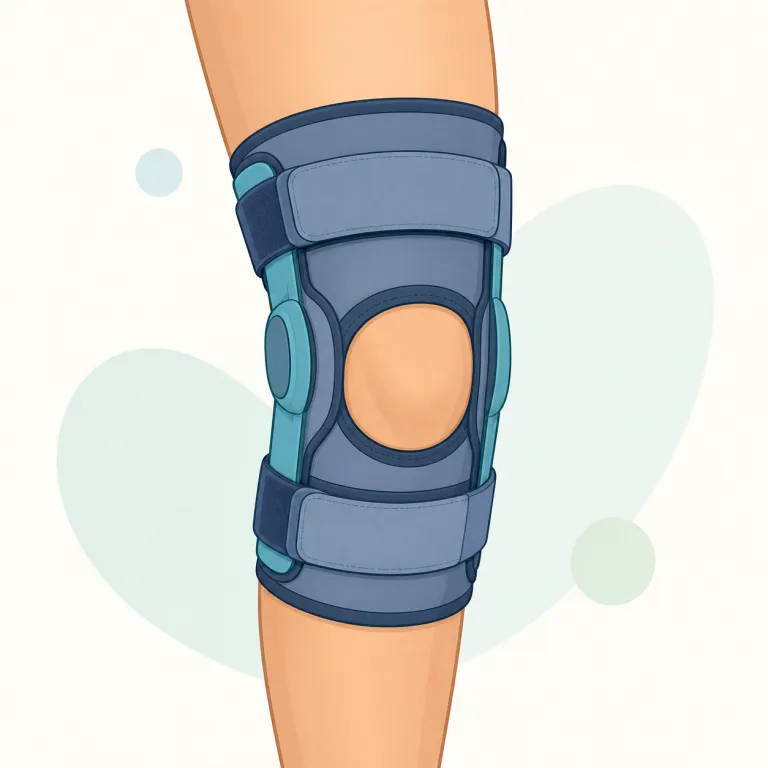
brace は英検準1級・TOEIC 990・TOEFL 100・IELTS 7.5レベルの英単語で、「矯正器具 / 支え」という意味があります。発音記号は /breɪs/ です。
歯や骨を正しい位置に矯正するための装置。身体の姿勢や部位を支えるための道具もある。
A brace is a device that supports or holds something firmly in place. It can mean a medical support for a body part, such as a knee or back, or a dental device used to straighten teeth. The exact meaning depends on the context.
brace はまず動詞の「支える・身構える」を知っておくと、名詞の意味もつながる。brace は外から当てて形や位置を保つ「支え具」で、歯の矯正器具なら braces、ひざなら knee brace、背中なら back brace。単なる support より、ぐっと固定してずれを防ぐ感じが強い。医療や日常では「体の部位+brace」でよく出るので、その型ごと覚えると定着しやすいです。
Start from the verb `brace`, which means to support or prepare. As a noun, a brace is something that holds a body part firmly in place, like `knee brace`, `back brace`, or dental `braces`. Think of a tool that stops movement and keeps the right shape.
She wore a brace to make her teeth straight.
彼女は歯をまっすぐにするために矯正器具を付けていました。
The athlete wore a knee brace to support his injured leg.
アスリートは負傷した脚を支えるために膝のサポーターを身に着けていました。
A brace helps move teeth into the right place.
矯正器具は歯を正しい位置に動かすのに役立ちます。
この語をはじめて出題された 34人 のうち 21人 が正解しました(62%)。
えいたんごクイズの回答から集計した独自データです。1人につき最初に出題されたときの1回だけを数えており、復習や2回目以降の回答、「わからない」と時間切れは含みません。 集計時点は 2026年9月19日 です。
文脈によって、次の意味でも使われます。
brace oneself for ... や brace for ... の形で、衝撃・悪い知らせ・困難などに備えて身構えることを表します。単に予定を立てるのではなく、予想される負担に耐えられるよう心身を引き締める含みがあります。
a brace of ... の形で、同種のもの二つ、特に狩猟で得た鳥や動物の一対を数える語です。英国英語では、一人の選手が一試合で挙げた二得点を表すこともあり、使用場面の限られた表現です。
通例 braces と複数形で、文章・数式・プログラムなどに用いる波括弧 { } を指します。丸括弧 parentheses や角括弧 brackets と区別され、要素をまとめたり処理の範囲を示したりします。
brace は古フランス語 brace を経て、ラテン語 bracchium「腕」にさかのぼります。もとは「両腕で抱えて支える」イメージで、bracelet や embrace と同根なので、「支え」「矯正器具」の意味が自然に理解できます。
Brace comes through Old French from Latin bracchium, meaning "arm." The early image was of arms holding, supporting, or fastening something firmly. From that, the word developed into meanings like a support or a device that holds something in place; bracelet and embrace come from the same root.
この英単語をクイズで覚えよう