奥地、未開の原野
noun 名詞主にオーストラリアやアフリカなどで、都市や農地から離れた自然のままの地域を指します。通例the bushの形で使われ、一本の低木や小規模な茂みではなく、広い田舎や原野を意味します。
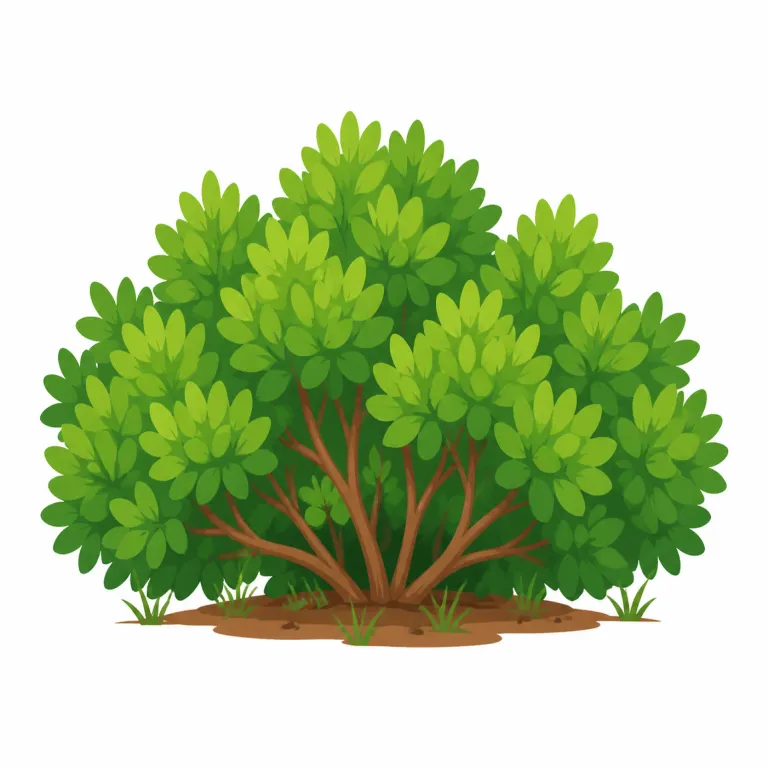
bush は英検2級レベルの英単語で、「低木、茂み」という意味があります。発音記号は /bʊʃ/ です。
背の低い木や、枝葉がこんもり茂った草木のまとまりを指す名詞。庭に植える一本の低木という意味でも、野原や道ばたに広がる茂み・やぶという意味でも使われる。英語では可算名詞として一本の木を表すことも、集合的に草木の多い場所を表すこともある。
A bush is a low plant with many branches growing close together. It is common in gardens, parks, and natural areas. The word can also refer to a thick group of such plants.
bush は tree より低く、grass より木に近い「こんもりした茂み」を中心に覚えると定着しやすい。一本の低木にも、まとまったやぶにも使えるので、背丈の高い forest や wood ではなく、道ばた・庭・茂みの中に何かが隠れる場面を思い浮かべるとよい。a rose bush は「バラの低木」、hide in the bushes は「やぶに隠れる」。bushy hair まで広げて、「もさっと密に広がる感じ」を共通イメージにすると残りやすい。shrub はやや説明的で、bush はもっと日常的な語。
Picture something thicker and lower than a tree, but more woody than grass. Bush is a very everyday word for this round, thick plant shape, especially in gardens or by the road. Keep the feeling of dense growth in mind with phrases like rose bush and hide in the bushes.
A bird sits in the bush.
鳥がその茂みにとまっている。
This bush is small and green.
この茂みは小さくて緑色だ。
The dog runs by the bush.
その犬は茂みのそばを走る。
この語をはじめて出題された 32人 のうち 26人 が正解しました(81%)。
えいたんごクイズの回答から集計した独自データです。1人につき最初に出題されたときの1回だけを数えており、復習や2回目以降の回答、「わからない」と時間切れは含みません。 集計時点は 2026年9月19日 です。
文脈によって、次の意味でも使われます。
主にオーストラリアやアフリカなどで、都市や農地から離れた自然のままの地域を指します。通例the bushの形で使われ、一本の低木や小規模な茂みではなく、広い田舎や原野を意味します。
bush は中英語 busch を経て、古英語 bysc「低木・茂み」にさかのぼるゲルマン系の語です。高木ではなく地面近くにこんもり茂る木を指したため、今の「茂み」という意味に自然につながります。関連語は bushy、bushland。
Bush comes from Middle English busch and goes back to Old English bysc, a Germanic word for a shrub or thicket. It originally referred to low, thick woody growth rather than a tall tree. That early sense stayed close to the modern meaning of a shrub or dense group of plants. Related words include bushy and bushland.
この英単語をクイズで覚えよう