意味一覧 (4件)
ブンブンいう
解説 Definition
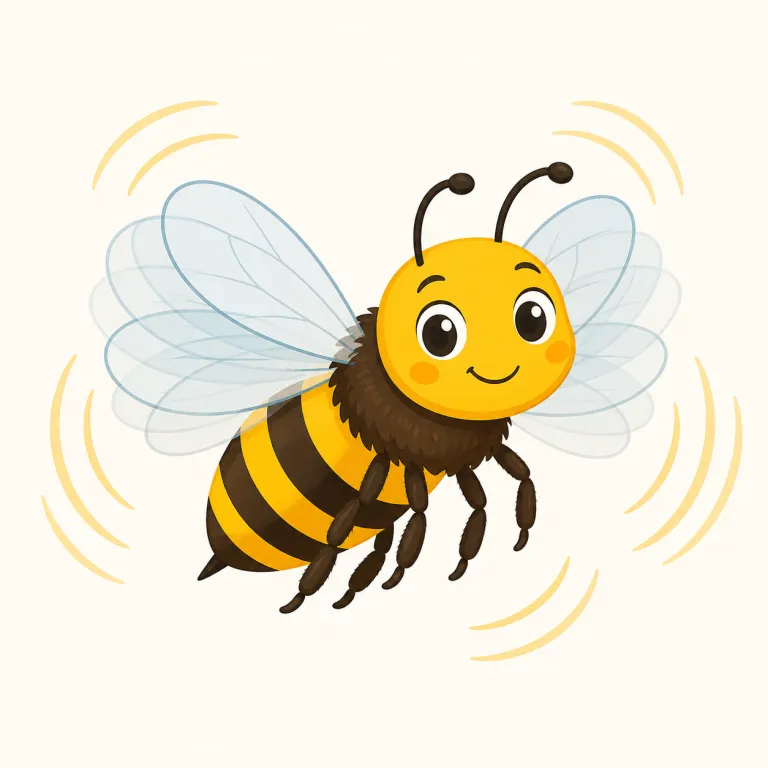
ハチやハエなどの虫が、羽をすばやく動かして低く続く音を出すことを表します。小さな機械などが、同じように細かくふるえるような音を出すときにも使います。
To buzz means to make a low, continuous humming sound, like a bee or fly. It can also describe a small machine making a similar vibrating sound.
覚え方のコツ Memory Tip
buzz は bee の羽音そのものを写したような語で、「ブーン、ブンブン」と低く続く音を出す動作だと覚える。A bee buzzed near the flowers のように虫を主語にし、周囲を飛び回るなら flies were buzzing around the fruit と buzzing around をセットで押さえる。虫だけでなく、小型ファンなどが細かく振動して同じような音を出す場合にも使える。静かな部屋で小さな機械音が一晩中続く場面を思い浮かべると定着しやすい。
Picture a bee flying near your ear: bzzzz. That sound helps you remember buzz.
例文
A bee buzzed near the flowers.
一匹のハチが花の近くでブンブンいっていました。
Flies were buzzing around the fruit.
ハエが果物のまわりでブンブンいっていました。
The small fan buzzed all night.
その小さな扇風機は一晩中ブーンという音を立てていました。
ざわめき
(意味 2)
解説 Definition
多くの人が同時に話しているときの低いざわめいた音です。また、活気や興奮の感覚を表すこともあります。
Buzz is a low, continuous sound, like the noise made by insects or by many people talking at once. It can also mean a feeling of excitement or growing public interest around something.
覚え方のコツ Memory Tip
まず bee(ハチ)のブンブンいう音を思い出すと覚えやすいです。buzz はその音から、部屋中で人が小声で話しているような「低いざわめき」に広がった語。buzzer(ブザー)も同じ仲間なので音のイメージでつなげると定着します。名詞では a buzz in the room、話題性なら media buzz のように使われ、単なる noise よりも「人や空気がざわついている活気」を感じるのがポイントです。
`Buzz` sounds like many small voices mixing together. Remember phrases like `media buzz` or `a buzz of excitement`. It is not just loud noise. It is the lively feeling when people are talking, watching, and paying attention.
例文
There was a buzz of excitement in the room.
部屋には興奮に満ちたざわめきがあった。
I could hear the buzz of conversation at the party.
パーティーでは会話のざわめきが聞こえた。
The buzz of the crowd grew louder as the event began.
イベントが始まると群衆のざわめきが大きくなった。
うなり音
(意味 3)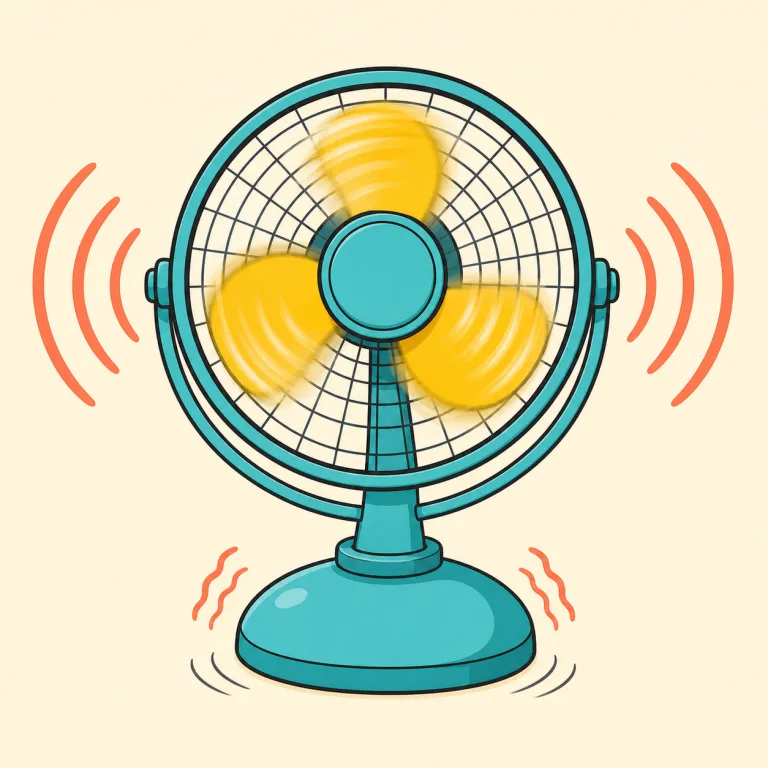
解説 Definition
虫の羽音や機械・電子機器が出す、低く続くブーンという音を指す名詞。短く鋭い音ではなく、一定に鳴り続けるうなりや振動音に近い感じで使う。空調や照明、ハチの羽音などが典型例で、背景音や耳障りな作動音を述べる場面でよく現れる。
A low, continuous humming sound made by an insect, machine, or electrical device. It often describes a steady background noise from bees, lights, or equipment.
例文
The buzz of the air conditioner kept me awake.
エアコンのうなり音で眠れなかった。
I heard a strange buzz near the light.
明かりの近くで変なブーンという音がした。
The room was filled with the buzz of a fluorescent light.
部屋には蛍光灯のブーンという音が響いていた。
えいたんごクイズでの正答率
この語をはじめて出題された 32人 のうち 30人 が正解しました(94%)。
えいたんごクイズの回答から集計した独自データです。1人につき最初に出題されたときの1回だけを数えており、復習や2回目以降の回答、「わからない」と時間切れは含みません。 集計時点は 2026年9月19日 です。
話題
(意味 4)
解説 Definition
人々が盛んに話している関心事や、商品・映画・人物などをめぐる評判を表す名詞。とくに新作やイベントが注目を集めているときに使われ、期待感やにぎわいを伴うことが多い。広告やSNSで広がる盛り上がりについて述べる場面でよく使う。
Public attention and excited discussion surrounding a product, event, person, or new release. It often suggests that many people are talking about something and becoming interested in it.
例文
There is a lot of buzz about the new phone.
その新しいスマホは大きな話題になっている。
The movie created a buzz online before its release.
その映画は公開前からネットで話題を呼んだ。
His new project is generating buzz in the industry.
彼の新しい企画は業界で話題になっている。
buzz の類義語・関連語
類義語
対義語
派生語
buzz の語源・成り立ち Etymology
虫が飛ぶときのブンブンという音をまねた言葉からできたと考えられています。英語では昔から、ハチなどが出す低く続く音を表す語として使われてきました。
Buzz is an imitative word, made to sound like the noise of a flying insect. It has long been used in English for the low humming sound made by bees and similar things.
同じレベルの語彙をもっと
外部辞書で調べる
この英単語をクイズで覚えよう