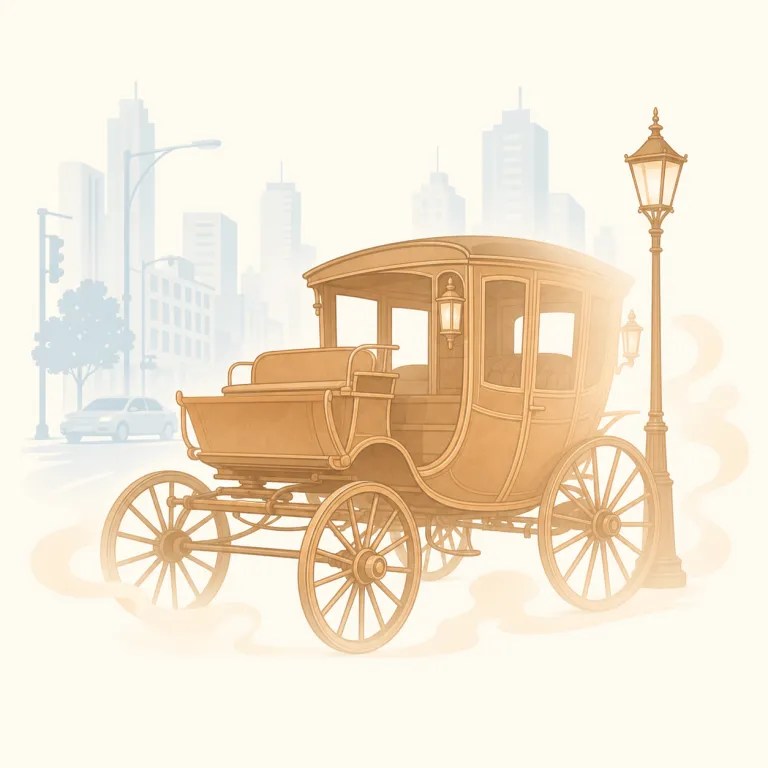
過ぎ去った
解説 Definition
過ぎ去った時代のもの。昔のもので、もはや現在では見られない、または使用されない。
Bygone means belonging to an earlier time that has already ended. It is often used when talking about old customs, periods, or memories. The word has a slightly literary or nostalgic feeling.
覚え方のコツ Memory Tip
gone を知っていれば核は「行ってしまった」。そこに by の「通り過ぎて」の感覚を重ねると、bygone は「目の前を過ぎ去って、もう今ここにはないもの」と覚えやすいです。bygone days、a bygone era のように、昔の時代・習慣・空気を懐かしむ場面でよく出ます。old が単に「古い」なのに対し、bygone には「すでに終わり、戻らない」という響きがあるので、その差を意識すると定着します。
Use the word `gone` as your anchor: something has gone away. Add `by`, with the feeling of passing by, and `bygone` becomes something that has passed and is no longer here. It is often used in phrases like `bygone days` or `a bygone era`, which gives it a nostalgic feeling.
例文
The museum displayed clothes from bygone eras.
博物館は過ぎ去った時代の衣服を展示していました。
She treasured the family traditions of a bygone era.
彼女は過ぎ去った時代の家族の伝統を大切にしていました。
The letter reminded him of bygone days with an old friend.
その手紙で、彼は旧友と過ごした日々を思い出しました。
bygone の類義語・関連語
bygone の語源・成り立ち Etymology
bygone は by「そばを通って」+ gone「行ってしまった」で、古英語由来の要素だけでできた語です。つまり「通り過ぎて行ったもの」がそのまま「過ぎ去った昔の」になった形で、時間を移動として捉える英語らしい感覚が見えます。関連語は go, gone。
Bygone is made from by and gone, both from Old English. The literal idea is something that has gone by or passed by. From that image of movement through time, it came to mean past or belonging to an earlier time. It is related to go and gone.
同じレベルの英単語をもっと
外部辞書で調べる
この単語を英単語クイズで覚えよう