ケイパー、酢漬けのつぼみ
noun 名詞フウチョウボク科の低木の、酢や塩水に漬けて食べる小さなつぼみを指します。通常は複数形 capers で、魚料理やパスタなどに塩味と酸味を添える薬味として使われます。
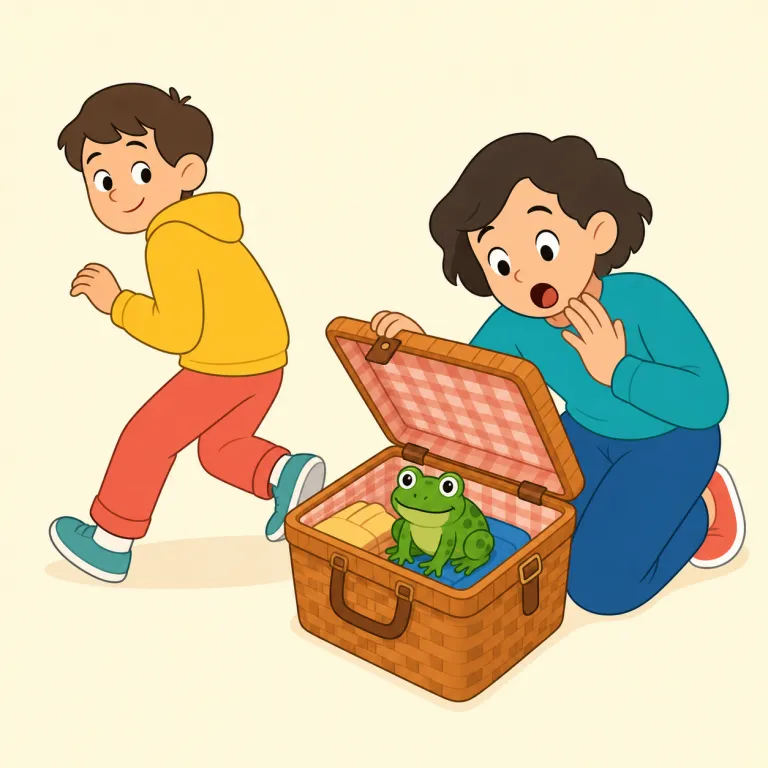
軽いいたずらや悪ふざけ、または人を驚かせるようなふざけた行為を指す名詞。深刻な犯罪というより、遊び心や調子に乗った気分から起こる行動を表すことが多く、文脈によっては大胆でこっけいな騒動や出来事を指すこともある。
A caper is a playful trick or a piece of silly, lively behavior. It often suggests fun actions that are slightly foolish or mischievous rather than seriously harmful. In some contexts, it can also describe an exciting or unusual adventure.
caper は prank より少し芝居がかっていて、周囲をあっと言わせる「おどけたいたずら」「こっけいな騒ぎ」を思い浮かべると残りやすい語です。a hilarious caper, a schoolboy caper のように、悪意の強い犯罪というより、調子に乗ってしでかす軽めの騒動に合います。stunt や escapade に近い場面もありますが、caper には笑いや茶目っ気がにじむのが特徴。料理の caper とは別語なので混同注意。
Think of a `caper` as a playful, showy act, not a dark or serious crime. It often feels closer to a silly adventure or comic trick than to a harmful prank. Be careful not to confuse it with the food word `caper`, which is unrelated.
The children's caper caused a lot of trouble for their parents.
子どもたちのいたずらは、親をとても困らせた。
His latest caper was to switch the salt and sugar containers.
彼の今回の悪ふざけは、塩と砂糖の容器を入れ替えることだった。
The students pulled off a clever caper on April Fools' Day.
生徒たちはエイプリルフールに、巧妙ないたずらをやってのけた。
文脈によって、次の意味でも使われます。
フウチョウボク科の低木の、酢や塩水に漬けて食べる小さなつぼみを指します。通常は複数形 capers で、魚料理やパスタなどに塩味と酸味を添える薬味として使われます。
大胆で計画的な犯罪や盗み、特に奇抜さや冒険性を伴う事件をくだけて指します。宝石泥棒などの計画にも使われ、caper film は犯罪計画とその実行を軽快に描く映画を表します。
楽しそうに跳ね回ったり、ふざけて走り回ったりすることを表す自動詞です。動物や子どもの軽快な動きに用い、caper about や caper around の形が典型的です。
caper「いたずら」はラテン語capriolare「ヤギのように跳ねる」系で、もとは「跳びはねる・ふざけ回る」でした。だからprankの意味は、落ち着きなく飛び回る身振りから育ったとわかります。caprioleやCapricornは同じ「ヤギ」の語根で、食材のcaperは別語源です。
Caper in this sense comes from a Latin verb meaning "to leap like a goat," passed through Romance forms. It first referred to playful jumping and lively movement. From that idea of restless, silly action, it developed the meaning of a prank or mischievous act. It is related to capriole, while the food word caper has a different origin.
この英単語をクイズで覚えよう