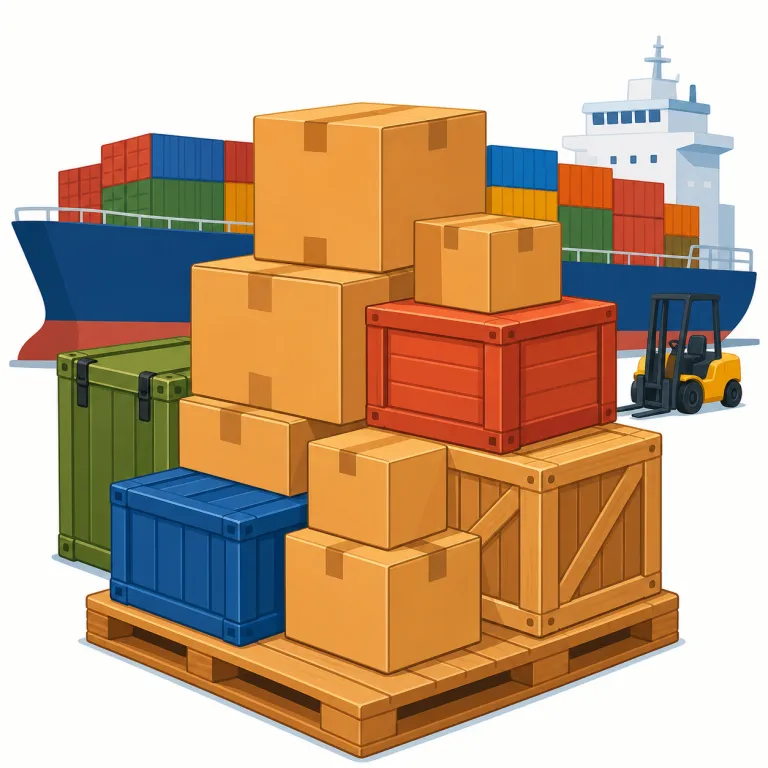
cargo
cargo はTOEIC 730レベルの英単語で、「貨物」という意味があります。発音記号は /ˈkɑːrɡoʊ/ です。
貨物
解説 Definition
船や飛行機で運ばれる荷物や商品を指します。輸送される物資や貨物のことです。
Cargo means goods that are carried from one place to another, usually by ship, plane, train, or truck. It is mainly used in transportation, trade, and business contexts. The word refers to the load being transported, not the vehicle itself.
覚え方のコツ Memory Tip
cargo は carry(運ぶ)される goods をまとめて思い出すと定着しやすい語。cargo ship, cargo plane, cargo hold をひとまとまりで覚えると、「人ではなく物を運ぶ場面」の絵が浮かぶ。特に港・空港・物流ニュースで出る語だと思うと強い。suitcase や baggage が個人の手荷物なのに対し、cargo は船・飛行機・トラックに積まれる商業的な貨物全体。freight と近いが、cargo は“実際に積まれている荷そのもの”を指す感覚で整理すると混同しにくい。
Connect `cargo` with goods being carried in business or transport. Phrases like `cargo ship`, `cargo plane`, and `cargo hold` create a clear picture of loaded goods, not personal bags. `Baggage` is your luggage, but `cargo` is the commercial load.
例文
The ship is carrying valuable cargo.
その船は貴重な貨物を運んでいます。
Rain damaged the cargo on the ship.
雨で船の貨物が傷みました。
We need to check the cargo before the ship leaves.
船が出る前に貨物を確認する必要があります。
cargo の類義語・関連語
紛らわしい語
cargo の語源・成り立ち Etymology
スペイン語・ポルトガル語 cargo(荷物)から英語に入り、さらにラテン語 carricare(車に積む)に遡る。語根 carrus(荷車)はcar(車)と同源。関連語:carry(運ぶ)、charge(負荷)。「車に載せるもの」が原義で、船・飛行機の積荷へと広がった。
Cargo entered English from Spanish and Portuguese cargo, meaning "load." It goes back to Late Latin carricare, "to load onto a cart," from carrus, meaning "wagon" or "cart." The basic idea was something loaded for transport, and in English it became the usual word for goods carried by ship, plane, or other vehicles; compare carry and charge.
同じレベルの語彙をもっと
TOEIC 730の一覧へ →外部辞書で調べる
この英単語をクイズで覚えよう