casement
casement はTOEIC 860・TOEFL 80・IELTS 6.5レベルの英単語で、「開き窓」という意味があります。発音記号は /ˈkeɪsmənt/ です。
開き窓
解説 Definition
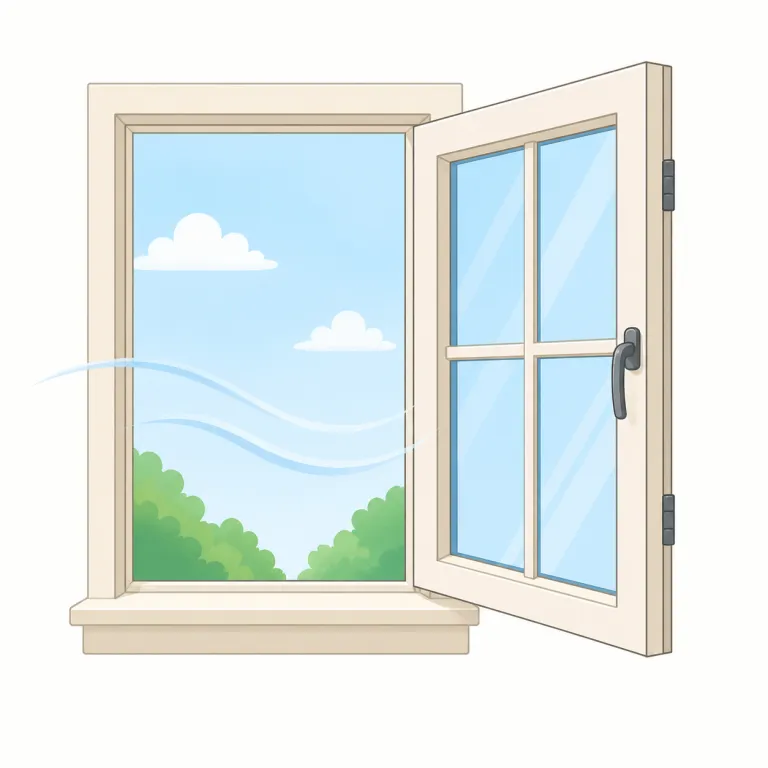
側面のヒンジで窓枠に取り付けられ、ドアのように内側や外側へ開く窓です。主に建築、住宅、デザインの文脈で使われます。
A casement is a window that is attached to the frame with hinges and opens like a door. It usually opens outward or inward from the side. The word is mainly used in architecture, housing, and design contexts.
使い方 Usage
- 住宅や建築の説明では casement window「開き窓」という形で使われます。 In descriptions of housing and architecture, the phrase casement window means a window that opens on hinges.
覚え方のコツ Memory Tip
case / encase から「枠・囲い」を連想し、枠にはまった窓が横のヒンジを軸にパタンと開く様子を思い浮かべましょう。casement window のまとまりで覚えると実用的です。
Use case or encase as an association with a frame or enclosure. Picture a window in its frame swinging open on side hinges, and remember the phrase casement window.
例文
The old mansion had beautiful casement windows overlooking the garden.
その古い邸宅には、庭を見渡せる美しい開き窓がありました。
She opened the casement window to let in the fresh spring air.
彼女は開き窓を開けて、春のすがすがしい空気を取り入れました。
casement の語源・成り立ち Etymology
casement は中英語で、古北フランス語 encassement「窓枠・はめ込み」にさかのぼるとされ、核は casse「箱・枠」です。case や encase も同系なので、「枠に収める」という発想から、蝶番付きで開く窓を casement と呼ぶ流れが見えます。
Casement comes from Middle English and probably goes back to Old North French forms related to framing or enclosing. It is connected with the same family as case and encase, built around the idea of a box or frame. From that sense, it came to mean a window set into a frame, especially one that opens on hinges.
同じレベルの語彙をもっと
TOEIC 860の一覧へ →外部辞書で調べる
この英単語をクイズで覚えよう