割譲
解説 Definition
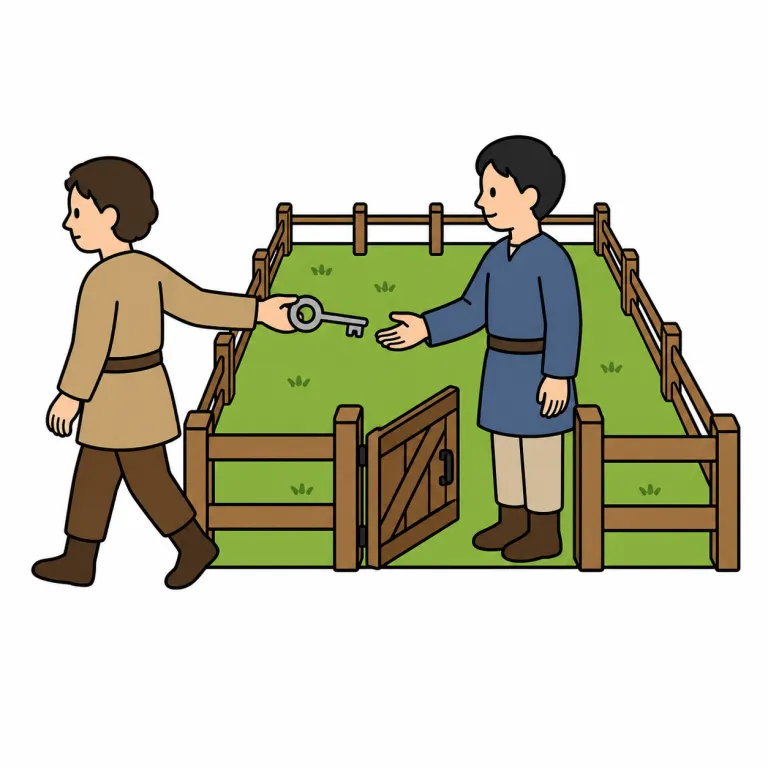
領土や権利を正式に他者に譲り渡すこと。特に条約による領土の割譲。
Cession is the act of officially giving land, rights, or power to another country, group, or authority. It is mainly used in legal, political, and historical contexts. The word usually refers to a formal transfer, often by treaty or agreement.
覚え方のコツ Memory Tip
まず cede を知っていると覚えやすい語です。concede(譲歩する), secede(脱退する), precede(先行する)などの cede 系には「行く・譲る」の感覚があり、cession はその名詞形で「譲り渡すこと」。特に日常の give ではなく、国家・領土・権利を条約や正式な合意で渡す硬い場面で出ます。territorial cession(領土割譲)の形で見ると定着しやすいです。session(会期)とつづりが非常に紛らわしいので、c がある方は cede 一族、と結び付けて区別すると忘れにくくなります。
Link `cession` to the word family with `cede`, such as `concede` and `secede`. That family often carries the idea of giving up or yielding. `Cession` is the noun form, and it often appears in formal phrases like `territorial cession`. Be careful not to mix it up with `session`.
例文
The cession of the territory was formalized through a peace treaty.
領土の割譲は平和条約によって正式に行われた。
The cession of Alaska from Russia to the United States occurred in 1867.
ロシアからアメリカへのアラスカの割譲は1867年に行われた。
Historians debated whether the cession of land was truly voluntary.
歴史家たちは、その土地の割譲が本当に自発的なものだったかどうかを議論した。
cession の類義語・関連語
紛らわしい語
cession の語源・成り立ち Etymology
cession はラテン語 cedere「行く・譲る」から出た cess- に名詞語尾 -ion が付いた語。concede や secede と同じ語根で、「自分のもとから去らせる」という発想が、領土や権利の「割譲」という意味に結び付く。
Cession comes from Latin cedere, meaning "to go" or "to yield," through the form cess- plus the noun ending -ion. It is related to English words like concede and secede, which share the same root. The idea developed from "letting something go" to the formal giving up of land, rights, or power.
同じレベルの語彙をもっと
外部辞書で調べる
この英単語をクイズで覚えよう