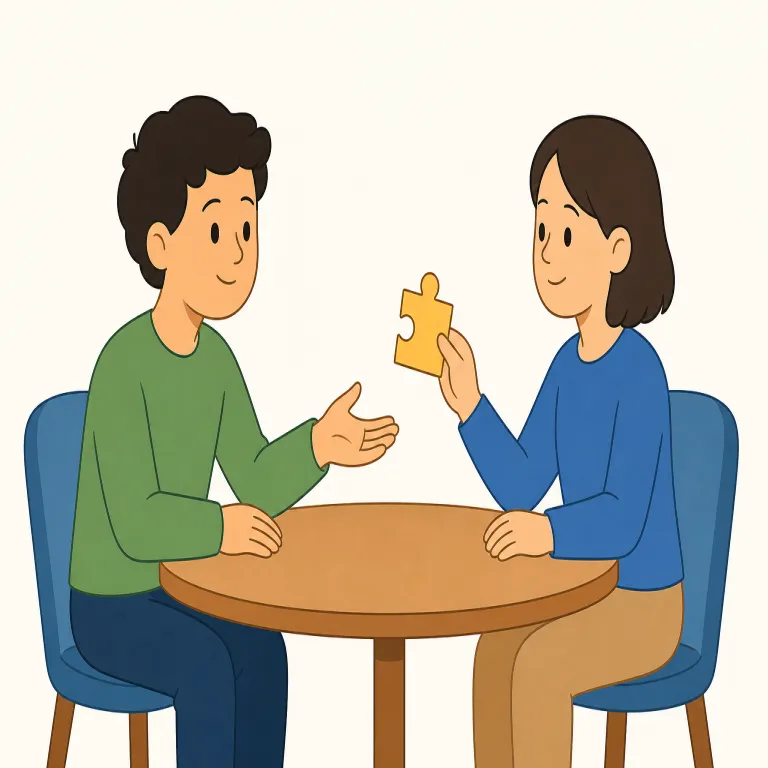
concede
concede は英検1級・TOEIC 860・TOEFL 80・IELTS 6.5レベルの英単語で、「認める、敗北を認める」という意味があります。発音記号は /kənˈsiːd/ です。
認める
解説 Definition
何かが真実であることを認めることや、負けを認める態度。相手の主張が正しいと認めて、自分の立場をあきらめる行為を指す。
To concede means to admit that something is true, especially after first resisting or arguing against it. It can also mean to accept defeat or to give something up to another side. This word is common in discussions, debates, sports, and politics.
覚え方のコツ Memory Tip
concede は cede「譲る」を含む語だと押さえると覚えやすいです。precede, recede などと同じ cede 系で、「自分の立場を相手に少し渡す」感覚。単なる admit より、不本意でも議論・交渉・試合で『相手の方が正しい』『こちらが不利だ』と認める響きが強い語です。だから concede defeat は『負けを認める』、concede a point は『一点・一論点を譲る』。全面的に surrender するほどではなく、一歩引いて認める場面だと結びつけると残りやすいです。
Notice the part "cede," which appears in words about giving way or moving back. In "concede," the idea is giving a point to the other side, often unwillingly. Think of phrases like "concede defeat" or "concede a point" to remember that it is a partial step back, not total surrender.
例文
She finally conceded that her rival was right.
彼女は最終的にライバルが正しいことを認めました。
The candidate conceded the election.
候補者は選挙での敗北を認めました。
I had to concede that I was wrong about the project.
プロジェクトについて間違っていたことを認めざるを得ませんでした。
認める
(意味 2)
解説 Definition
事実や相手の主張が正しいとしぶしぶ受け入れるときに使う。議論・交渉・報道などで、自分に不利でも誤りや優位を認める場面に多い。単なる「譲歩する」より、判断や事実確認の色合いが強い。
This verb means to admit, often reluctantly, that a fact or another person's argument is correct. It is commonly used when someone acknowledges an unfavorable point during a debate, negotiation, or public discussion.
例文
The company conceded that the report was accurate.
その会社は、その報告書が正確だと認めた。
He finally conceded that he had made a mistake.
彼はついに自分が間違っていたと認めた。
She refused to concede any weakness in her argument.
彼女は自分の主張の弱点を一切認めようとしなかった。
認める
(意味 3)
解説 Definition
事実や相手の主張が正しいとしぶしぶ受け入れるときに使う。議論・交渉・報道などで、自分に不利でも誤りや優位を認める場面に多い。単なる「譲歩する」より、判断や事実確認の色合いが強い。
To accept, often unwillingly, that a fact or another person's argument is correct. It is commonly used when someone acknowledges a mistake, weakness, or opposing point despite being disadvantaged by doing so.
例文
The company conceded that the report was accurate.
その会社は、その報告書が正確だと認めた。
He finally conceded that he had made a mistake.
彼はついに自分が間違っていたと認めた。
She refused to concede any weakness in her argument.
彼女は自分の主張の弱点を一切認めようとしなかった。
敗北を認める
(意味 4)
解説 Definition
試合・選挙・勝負ごとで、もはや勝てないと判断して負けを受け入れることを表す。特に concede defeat の形でよく使われ、競争の終了や敗者側の公式な表明を示す。
This verb means to accept that one has lost a match, election, or other contest. It often appears with "defeat" when a losing person or side formally recognizes that the competition is over.
例文
The candidate conceded defeat late that night.
その候補者はその夜遅くに敗北を認めた。
After losing the final set, she conceded defeat.
最終セットを落とした後、彼女は敗北を認めた。
The team refused to concede defeat until the last minute.
そのチームは最後の瞬間まで敗北を認めようとしなかった。
敗北を認める
(意味 5)
解説 Definition
試合・選挙・勝負ごとで、もはや勝てないと判断して負けを受け入れることを表す。特に concede defeat の形でよく使われ、競争の終了や敗者側の公式な表明を示す。
To accept that one has lost a game, election, or other contest. It is often used with “defeat” when a competitor recognizes that victory is no longer possible.
例文
After falling behind by twenty points, the team conceded defeat.
20点差をつけられた後、そのチームは敗北を認めた。
The defending champion conceded after losing the first two sets.
前回の優勝者は最初の2セットを落とした後、敗北を認めた。
Although the vote count was nearly complete, the candidate refused to concede.
開票がほぼ終わっていたにもかかわらず、その候補者は敗北を認めようとしなかった。
concede の類義語・関連語
concede の語源・成り立ち Etymology
concede はラテン語 concedere に由来し、con-「共に・すっかり」+ cedere「進む、譲る」から成る語です。cede や recede、precede と同じ語根をもち、相手に道をあける感覚から「認める、譲歩する」の意味が生まれました。
Concede comes from Latin "concedere," made from "con-" meaning fully or together and "cedere" meaning go or yield. The basic idea was to give way or let someone pass. From that, it came to mean admitting a point or yielding in an argument; related words include "cede," "recede," and "precede."
同じレベルの語彙をもっと
英検1級の一覧へ →外部辞書で調べる
この英単語をクイズで覚えよう