forfeit
forfeit は英検1級レベルの英単語で、「没収、喪失、不戦敗、失う、放棄する」という意味があります。発音記号は /ˈfɔːrfɪt/ です。
意味一覧 (2件)
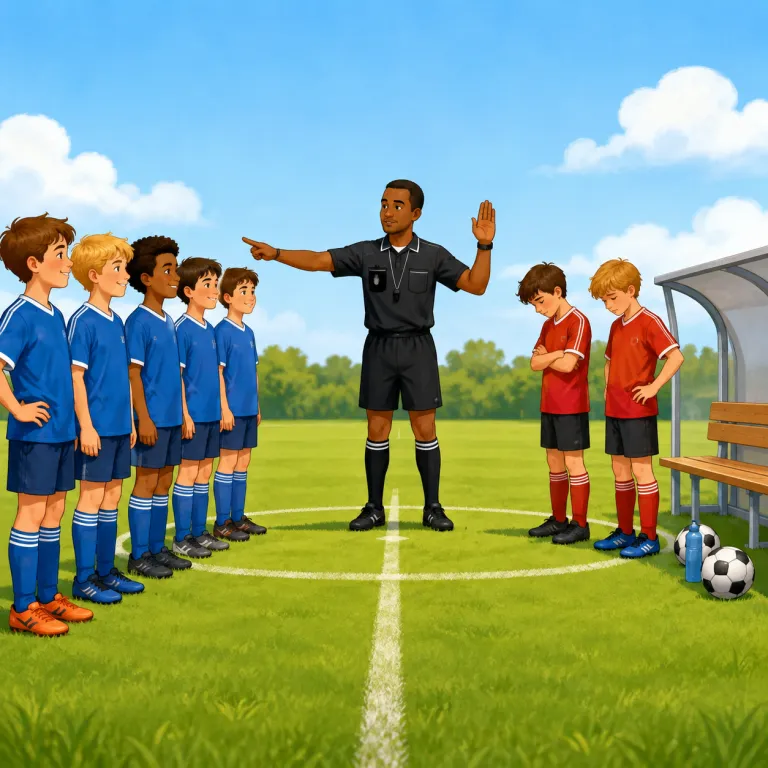
没収、喪失、不戦敗
解説 Definition
規則違反や不履行の結果として、金銭・権利・資格などを失うこと、または失わせる処分を指す名詞です。文脈によっては保証金などの没収を表し、スポーツでは不戦敗や失格による敗戦を意味します。自分の行為の代償として本来得られるはずだったものを手放すニュアンスがあります。
A forfeit is the loss of something because of a rule, failure, or mistake. It can mean money, property, or a right that must be given up. In sports, it also means a loss given when a team cannot or does not play.
覚え方のコツ Memory Tip
forfeit は「ただ lose する」のではなく、ルール違反や義務不履行の結果として“罰として失う”語だと押さえると残りやすいです。forfeit a deposit / right / chance の形で、保証金・権利・機会を失う場面が頻出。法律・契約・試合でよく出て、スポーツでは by forfeit で「不戦敗・失格負け」。自分からあきらめる give up ではなく、規則の結果として失う点を軸に覚えると混同しにくいです。
Remember that forfeit is not just lose. It usually means you lose something because of a rule, penalty, or failure to do what you must. That is why it fits phrases like forfeit a deposit, a right, or a game. Think of loss by consequence, not by choice.
例文
The team had to accept a loss by forfeit because they didn't have enough players.
そのチームは選手が足りなかったため、不戦敗を受け入れなければならなかった。
Their failure to appear resulted in a forfeit.
彼らは姿を見せなかったため、不戦敗となった。
The match ended in a forfeit after one player failed to arrive.
選手の一人が来なかったため、試合は不戦敗に終わった。
えいたんごクイズでの正答率
この語をはじめて出題された 30人 のうち 18人 が正解しました(60%)。
えいたんごクイズの回答から集計した独自データです。1人につき最初に出題されたときの1回だけを数えており、復習や2回目以降の回答、「わからない」と時間切れは含みません。 集計時点は 2026年9月19日 です。
失う、放棄する
(意味 2)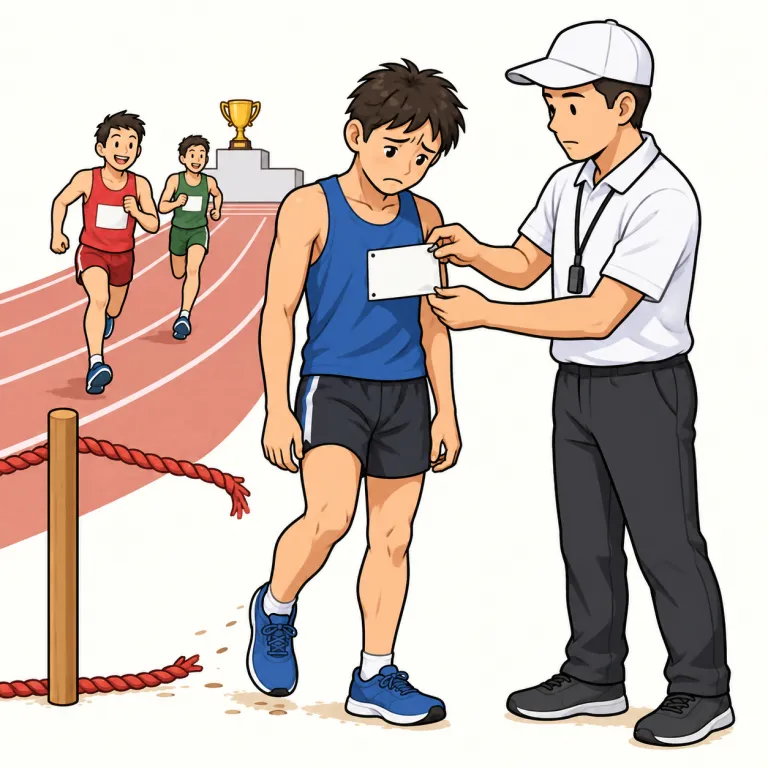
解説 Definition
forfeit が動詞のときは、罰や違反、条件不履行の結果として権利・資格・財産・利益などを失うことを表す。契約、試合、法的請求などで使われやすく、自分から正式に放棄する場合にも用いられるが、何かを手放して不利益を受けるという響きが強い。
This verb means to lose a right, possession, benefit, or opportunity because of a rule violation or failure to meet a condition. It can also mean formally surrendering such a claim, usually at a disadvantage.
覚え方のコツ Memory Tip
forfeit は「ただ lose する」より、権利・財産・資格などを手放して不利益を受ける響きが強い語です。規則違反や義務不履行の結果として forfeit a deposit / right / chance のように「失う」場合が中心ですが、契約や法的手続きで権利や請求を正式に「放棄する」場合にも使えます。罰による喪失と正式な放棄の両方を、価値あるものを失うという核で結ぶと覚えやすいです。
Unlike simply losing something, forfeit often suggests that a rule, penalty, or unmet obligation causes the loss. Remember combinations such as “forfeit a deposit,” “forfeit a right,” and “forfeit a chance.”
例文
If you miss another payment, you will forfeit your deposit.
もう一度支払いを怠ると、保証金を失うことになります。
Players who break the rules forfeit their right to compete.
規則を破った選手は、出場する権利を失う。
She agreed to forfeit her claim to the land.
彼女はその土地に対する請求権を放棄することに同意した。
forfeit の類義語・関連語
類義語
対義語
forfeit の語源・成り立ち Etymology
forfeit は古フランス語 forfait「罪・違反、没収物」に由来し、for-「外れて」+ faire「行う」(ラテン語 facere)が語源です。もとは「してはいけないことをする」で、そこから失う意味になりました。counterfeit や factory も同じ facere 系です。
Forfeit comes from Old French forfait, meaning "crime," "wrongdoing," or "something lost because of an offense." It is linked to for- "outside, wrongly" and faire "to do," from Latin facere. The original idea was doing something wrong, and this later led to the sense of losing rights or property as a result. Related words from the same Latin root include counterfeit and factory.
同じレベルの語彙をもっと
英検1級の一覧へ →外部辞書で調べる
この英単語をクイズで覚えよう