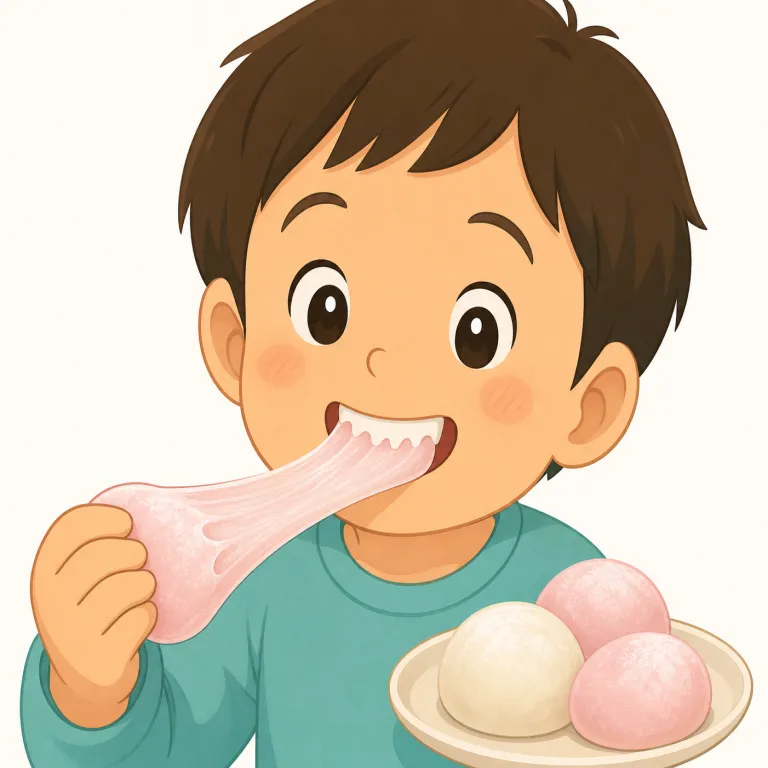
難しい、考えごたえのある
adjective 形容詞問題・話題・文章などが簡単には理解または処理できず、十分に考える必要があることを表します。食感の比喩から生じた口語用法で、特に英国英語で a chewy problem のように使われます。
噛むのに力が必要で、歯ごたえがある食べ物の特性です。硬めで、かみごたえのある食感を表します。
Chewy describes food that needs a lot of chewing before you can swallow it. It is commonly used for foods like candy, bread, or meat to talk about texture. The word can be positive or negative depending on whether that texture is enjoyable in the situation.
chewy はまず動詞 chew「かむ」が見えていれば取りやすい語です。-y が付いて「かむ感じのある」→「歯ごたえがある」と覚えると定着します。soft や tender が「やわらかい」側なのに対し、chewy は何度かしっかりかむ食感。crunchy のような「サクサク・バリバリ」とも違い、ガム、ベーグル、肉などの“かみ続ける”場面を思い浮かべるとよいです。food が主語になりやすく、chewy meat, chewy candy の形で覚えると実戦的です。
Build it from the verb `chew.` The ending `-y` gives the idea of "having that quality," so `chewy` means something that makes you chew a lot. Remember it with food pairs like `chewy meat` or `chewy candy`, not with `crunchy` or `soft` foods.
The bread had a chewy crust that was delicious.
そのパンは美味しい歯ごたえのあるクラストだった。
She preferred chewy candies over hard ones.
彼女は硬いキャンディーより歯ごたえのあるキャンディーを好みました。
The cookie was chewy in the middle and crispy on the edges.
そのクッキーは中央は歯ごたえがあり、端はパリッとしていた。
文脈によって、次の意味でも使われます。
問題・話題・文章などが簡単には理解または処理できず、十分に考える必要があることを表します。食感の比喩から生じた口語用法で、特に英国英語で a chewy problem のように使われます。
chewy は chew(かむ)+ 形容詞語尾 -y で、「かむ性質のある」が原義です。chew は古英語 ceowan、さらに西ゲルマン語系にさかのぼり、関連語に chewable や chewing があるので、「やわらかい」より「歯ごたえがある」に近くなります。
Chewy is built from chew plus the adjective ending -y, so its basic sense is "having to be chewed." Chew comes from Old English ceowan and older Germanic roots. The meaning developed naturally into "needing a lot of chewing" or "having a firm texture," as seen in related words like chewing and chewable.
この英単語をクイズで覚えよう