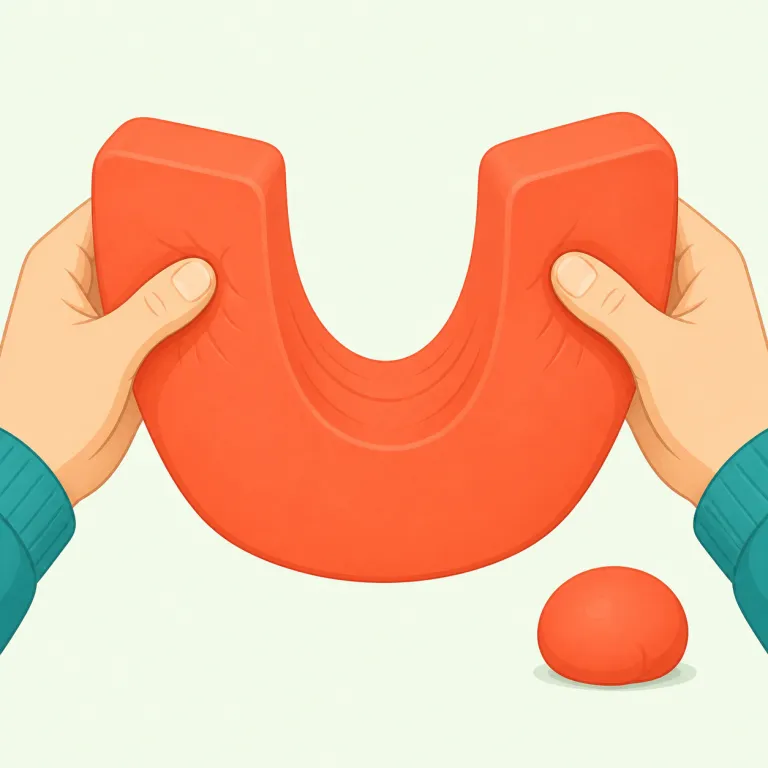
ゴム状の
解説 Definition
ゴムのような性質や食感を持つ。弾力的で伸び縮みするか、または固く噛みごたえのある。
Rubbery describes something that feels or looks like rubber, usually soft, flexible, and slightly elastic. It is often used for materials or food, and for food it often suggests an unpleasant texture.
覚え方のコツ Memory Tip
rubber(ゴム)がそのまま土台にある語で、-y は「〜っぽい」。まず rubbery = 「ゴムっぽい」と機械的に分解して覚えると忘れにくいです。意味は単に「弾力がある」より、食感・質感がゴムのようで、弾む、伸びる、あるいは噛み切りにくい感じまで含みやすいのがポイント。elastic が前向きな「よく伸びる」に寄りやすいのに対し、rubbery は rubbery texture, rubbery chicken のように、少し不自然・好ましくない感触の描写で出やすい語です。
This one is simple to break apart: `rubber` + `-y` = "like rubber." That makes `rubbery` easy to remember as a texture word. It often sounds a little negative, as in `rubbery chicken`, not just soft or flexible.
例文
The octopus had rubbery tentacles that stretched and bent.
タコの触手はゴムのようで、伸びたり曲がったりしました。
The material is rubbery and durable for outdoor use.
その素材はゴムのような弾力があり、屋外での使用にも耐えます。
The steak had a rubbery texture because it was overcooked.
そのステーキは焼きすぎたため、ゴムのような食感になっていました。
rubbery の類義語・関連語
rubbery の語源・成り立ち Etymology
rubberyはrubber「ゴム」+形容詞語尾-yで、「ゴムのような」が直訳です。rubberはrub「こする」に由来し、昔は「こすって消すもの」を指しました。関連語にrub、rubberがあり、弾力のある感触へ意味がつながります。
Rubbery is built from rubber and the adjective ending -y, so it originally meant "like rubber." Rubber comes from rub, because the word first referred to something used for rubbing out marks. From that sense, it later became the name of the material, and rubbery came to describe its flexible, elastic feel. Related words include rub and rubber.
同じレベルの語彙をもっと
外部辞書で調べる
この英単語をクイズで覚えよう