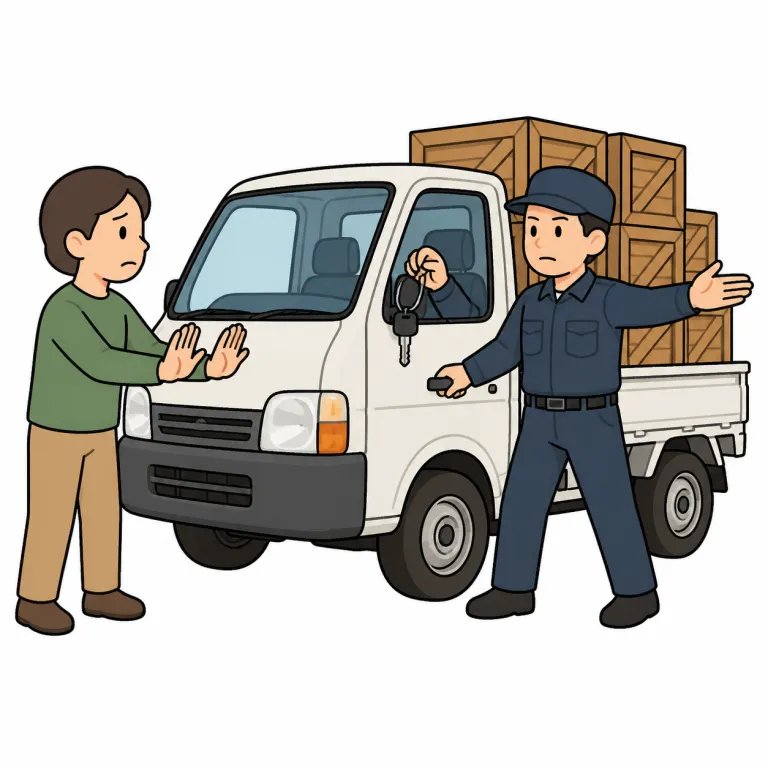
勝手に占有する、独占する
verb 動詞公的権限による徴用に限らず、他人の物や場所を勝手に占有して自分の目的に使うことを表す。会話や時間などを一人で独占する比喩的用法にも使われ、非難の響きを伴うことが多い。
権力や権限を背景に、他人の土地・物資・乗り物などを強制的に取り上げて使用することを表す語。軍や政府などが非常時や公的目的のために民間の資源を徴用・接収する文脈でよく使われる。
Commandeering means taking control of something, often property, equipment, or a vehicle, by force or by official authority. It is commonly used in military, government, or emergency situations. The word often suggests that the owner does not have a real choice.
まず command「命令する」を核に置くと覚えやすい語です。commandeer は、ただ命令するのでなく、権限を使って物のコントロールまで奪って使う感覚。人に命じる command から一歩進んで、車両・土地・物資を『こちらが使う側に回収する』と捉えると定着します。軍や政府が主語になりやすく、commandeer vehicles / land / supplies の形で頻出。borrow や use ではなく、強制性がある点に注意。
Start with `command`. `Commandeering` is stronger than just telling someone what to do: it is using authority to take control of something and use it yourself. Think of common pairs like `commandeer vehicles` or `commandeer supplies`, often with the military or government. It is not just `use` or `borrow` because there is pressure and force in it.
The military was commandeering vehicles for the emergency operation.
軍は緊急作戦のために車両を徴用していた。
The government was commandeering land for public infrastructure projects.
政府は公共インフラ事業のために土地を接収していた。
During the war, troops were commandeering supplies from local villages.
戦時中、部隊は地元の村々から物資を徴用していた。
文脈によって、次の意味でも使われます。
公的権限による徴用に限らず、他人の物や場所を勝手に占有して自分の目的に使うことを表す。会話や時間などを一人で独占する比喩的用法にも使われ、非難の響きを伴うことが多い。
オランダ語系 kommanderen を経て、もとはラテン語 mandare「任せる・命じる」に com- が付いた語です。command や mandate と同根で、公権力が物や人を“命令で差し出させる”感覚が commandeering「徴発」に残っています。
Commandeering is built from commandeer, which came through Dutch forms such as kommanderen and is related to command. Its deeper source is Latin mandare, meaning "to entrust" or "to order," with com- added. The modern sense kept the idea of authority making people hand something over by order, and it shares roots with command and mandate.
この英単語をクイズで覚えよう