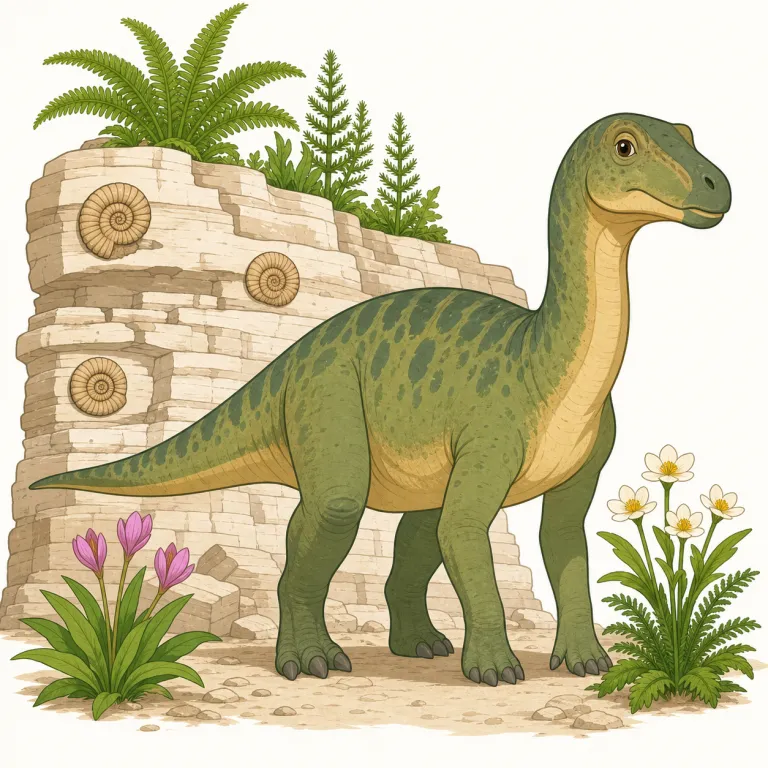
cretaceous
cretaceous はTOEFL 100・IELTS 7.5レベルの英単語で、「白亜紀の」という意味があります。発音記号は /krɪˈteɪʃəs/ です。
白亜紀の
解説 Definition
白亜紀は約1億4500万年前から6600万年前にかけて続いた地質時代で、陸上には大型の恐竜が繁栄し、海洋や空にも多様な生命が広がっていました。後期には地球規模の環境変動があって、多くの生物が絶滅する直前の時期でもあります。海面上昇や火山活動が頻発する中で、堆積物や岩石に当時の歴史が刻まれています。
Cretaceous means relating to the Cretaceous period, a stage in Earth's history near the end of the age of dinosaurs. It is mainly used in geology, paleontology, and discussions of prehistoric life.
覚え方のコツ Memory Tip
まず Jurassic とセットで覚えるのが近道です。英語では Cretaceous period, late Cretaceous, Cretaceous rocks のように、地質・恐竜・化石の話でまとまって現れます。つまり『Jurassic の次に来る、恐竜時代の終盤を語る専門語』という場面ごと頭に入れると残りやすいです。語尾の -aceous は形容詞で見かける形なので、『白亜紀そのもの』ではなく『白亜紀の〜』と名詞を前から説明する語だと意識すると使い分けしやすいです。creature や crustaceous など見た目の近い語と混同しないよう注意。
Learn it together with `Jurassic`, because the two often appear in dinosaur and geology topics. `Cretaceous` usually comes before words like `period`, `rocks`, or `fossils`, so remember it as a time label used in science. The ending `-aceous` also helps you notice it is an adjective.
例文
The Cretaceous period was an important time for dinosaur evolution.
白亜紀は恐竜の進化にとって重要な時代でした。
Cretaceous rocks in this region contain many fossils.
この地域の白亜紀の岩には多くの化石が含まれています。
Scientists study Cretaceous deposits to understand the history of life on Earth.
科学者は地球上の生命の歴史を理解するために、白亜紀の堆積物を研究しています。
cretaceous の類義語・関連語
cretaceous の語源・成り立ち Etymology
cretaceous はラテン語 cretaceus「白亜質の」に由来し、語根 creta は「白亜・チョーク」を表す。接尾辞 -aceous は「〜の性質をもつ」なので、文字どおりは「白亜のような」。白い石灰質の地層にちなみ、地質時代名 Cretaceous「白亜紀」にもなった。関連語は crayon。
Cretaceous comes from Latin cretaceus, meaning "chalky" or "made of chalk," from creta meaning "chalk." The suffix -aceous means "having the nature of" something. The word later became the name of the geologic period associated with chalk-rich rock layers.
同じレベルの語彙をもっと
TOEFL 100の一覧へ →外部辞書で調べる
この英単語をクイズで覚えよう