curse
curse は英検2級レベルの英単語で、「悪態をつく、呪う」という意味があります。発音記号は /kɝs/ です。
意味一覧 (2件)
悪態をつく
解説 Definition
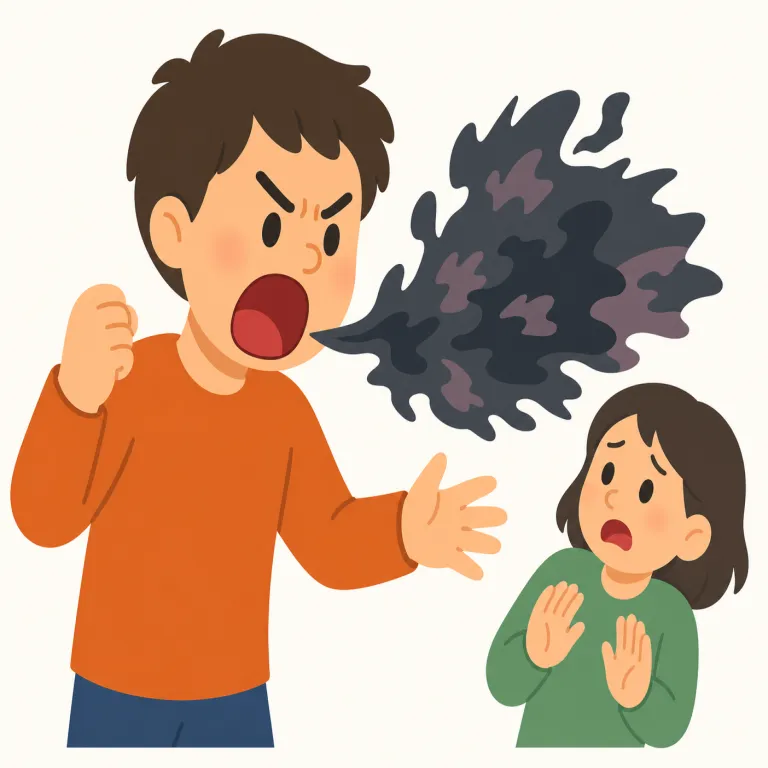
人や状況に腹を立てて、汚い言葉や乱暴な言い方を口にすることを表す。単に不満を言うより強く、怒りやいら立ちがにじむ。会話では、失敗したときや相手をののしる場面でよく使われる。
To use offensive or rude words because you are angry or frustrated. These words may be directed at a person or spoken in reaction to an annoying situation.
覚え方のコツ Memory Tip
"curse" は「呪う」だけでなく、怒って口から強い悪い言葉を吐く動詞として覚えると実用的です。失敗して "He cursed loudly." なら、呪文を唱えたのではなく「大声で悪態をついた」。curse at someone の形で「人に悪態をつく」が頻出です。insult は相手を侮辱すること、swear は汚い言葉を言うことに近く、curse は怒りをこめて言葉を投げつける感じ。呪いの意味とは文脈で切り分けましょう。
Picture someone reacting to a frustrating mistake with angry, offensive words. Remember curse at someone as the pattern for directing those words at another person.
例文
He cursed loudly when he dropped his phone.
彼は携帯を落として大声で悪態をついた。
She cursed at a rude driver.
彼女は失礼な運転手に悪態をついた。
Stop cursing in front of the children.
子どもたちの前で悪態をつくのはやめなさい。
呪う
(意味 2)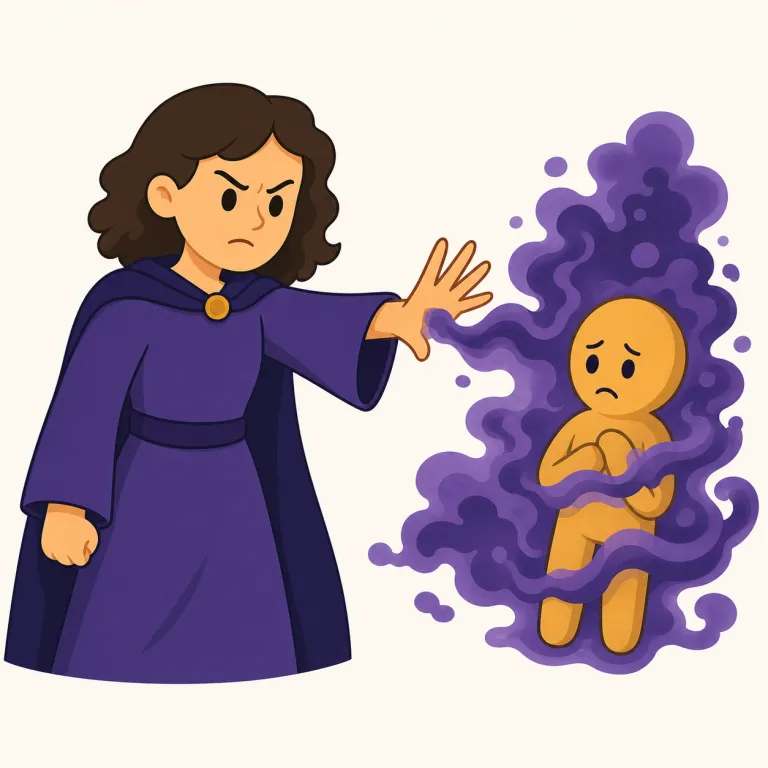
解説 Definition
超自然的な力で誰かに害をもたらそうとする魔法のような言葉や行為を与えることです。悪いことが起こるように願う行為です。
To curse means to use rude or angry words, or to say that you want bad things to happen to someone. In older or magical contexts, it can also mean to place a harmful spell on someone. The meaning depends on the situation, so context is important.
覚え方のコツ Memory Tip
"curse" はまず名詞で「呪い」を押さえ、そのまま動詞で「呪いをかける」と広げると覚えやすいです。反対側には "bless" があり、良いものを与える bless に対して、悪いものを投げるのが curse。比喩でもよく使われ、"curse someone" だけでなく "curse fate"「運命を呪う」、"be under a curse"「呪いにかかっている」の形が頻出です。単なる悪口の "insult" や "swear" より、もっと重く、不幸を招く感じがある語だと意識すると定着します。
Learn curse first as a noun, a curse, and then as a verb: to curse someone or something. It is useful to remember it against bless, which gives something good, while curse gives something bad. Common patterns like curse fate and be under a curse help it stick. It is much stronger and darker than simple insult or swear.
例文
The old woman cursed the thief.
その老婦人は泥棒を呪いました。
The witch used magic to curse the king.
魔女は魔法を使って王様を呪いました。
The witch cursed the town with bad luck.
魔女は町に不幸が起こるよう呪いをかけました。
えいたんごクイズでの正答率
この語をはじめて出題された 30人 のうち 21人 が正解しました(70%)。
えいたんごクイズの回答から集計した独自データです。1人につき最初に出題されたときの1回だけを数えており、復習や2回目以降の回答、「わからない」と時間切れは含みません。 集計時点は 2026年9月19日 です。
curse の類義語・関連語
curse の語源・成り立ち Etymology
古英語 curs「呪い」や cursian「呪う」に由来し、さらに古い起源ははっきりしません。元は宗教的に災いを願う言葉でしたが、強い怒りや禁じられた言葉を口に出す行為へ広がり、日常では「悪態をつく」の意味でも使われます。
It comes from Old English curs and cursian, words for a curse and the act of cursing; their earlier origin is unclear. The meaning expanded from wishing harm through religious language to expressing anger with offensive words.
同じレベルの語彙をもっと
英検2級の一覧へ →外部辞書で調べる
この英単語をクイズで覚えよう