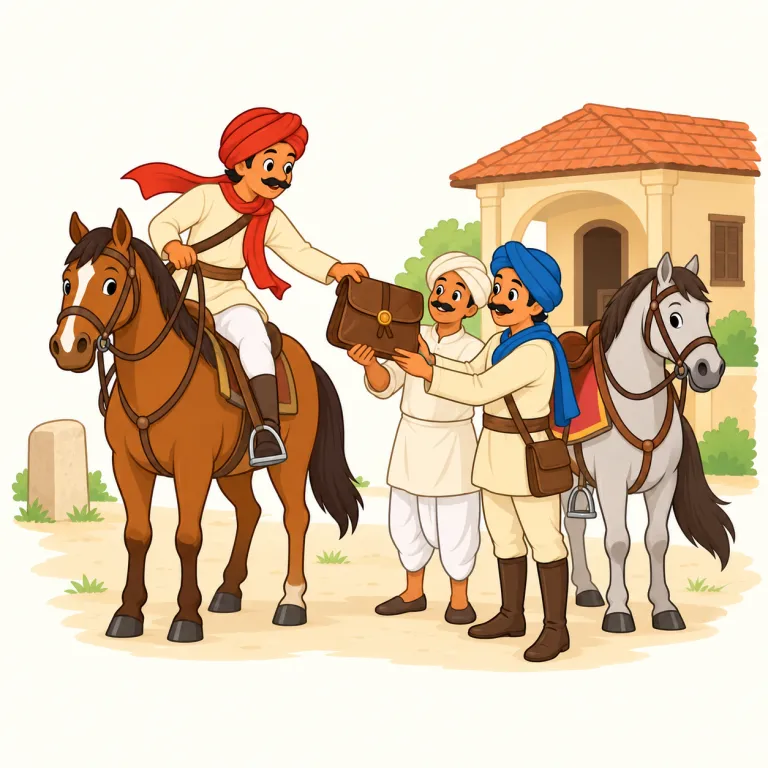
(旧英領インドの)郵便・駅伝制
解説 Definition
(歴史)旧英領インドで、一定区間ごとに人や馬を交代させて郵便物や旅客を運んだ郵便・輸送制度。また、その方法で運ばれる郵便物。現在は dak bungalow などの複合語や歴史的文脈で主に用いられる。
Dak is a historical term from British India for a postal or transport service in which letters, travelers, or supplies were carried in stages by relays. It is now chiefly encountered in writing about the colonial period and in compounds such as “dak bungalow.”
覚え方のコツ Memory Tip
英領インドの歴史的文脈で使われた「郵便・逓送」の語で、ヒンドゥスターニー語由来です。現代の日常英語ではほぼ使わず、dak bungalow「郵便路沿いの旅行者用宿泊所」などの複合語で見かけます。発音や綴りが似て見える duck「アヒル」とは語源も意味も無関係だと切り分けましょう。
Treat dak as a historical South Asian transport word, not as a variant of duck. Imagine mail moving along a route in stages, with horses, runners, or other carriers taking over at relay points. The compound dak bungalow is especially useful: it referred to a lodging place built for travelers along such routes. Because dak is rare in present-day general English, connect it with accounts of British India, postal relays, and colonial travel rather than trying to use it in ordinary conversation.
例文
During British rule, officials sent dispatches by dak.
イギリス統治時代、役人たちは駅伝式の郵便で公文書を送りました。
The travelers stayed overnight at a dak bungalow.
旅行者たちはダック・バンガローに一泊しました。
His memoir describes a journey by dak across northern India.
彼の回想録には、駅伝式の輸送でインド北部を旅した様子が記されています。
dak の類義語・関連語
dak の語源・成り立ち Etymology
dak は英語本来の語ではなく、ヒンドゥスターニー語 डाक / ڈاک (ḍāk)「郵便・逓送」から英語に入った借用語です。英領インドで中継馬や担ぎ手による郵便制度を指し、duck とは無関係です。関連語に dak bungalow, daak があります。
English borrowed dak during the period of British rule in India from Hindustani ḍāk, written डाक in Devanagari and ڈاک in Perso-Arabic script. The source word referred to post, mail, or transport by relays. English used it for postal arrangements and stage-by-stage travel, especially in compounds such as dak bungalow. The alternative spelling daak more directly represents the source vowel. Dak has no etymological connection with duck.
同じレベルの語彙をもっと
外部辞書で調べる
この英単語をクイズで覚えよう