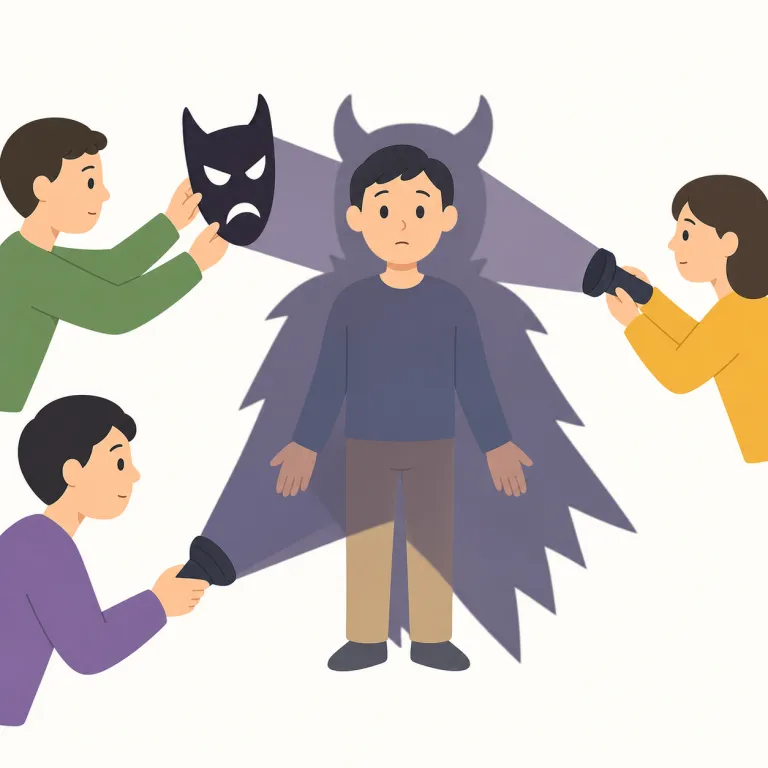
demonising
demonising はTOEIC 990・TOEFL 100・IELTS 7.5レベルの英単語で、「悪者扱いする」という意味があります。発音記号は /ˈdiːmənaɪzɪŋ/ です。
悪者扱いする
解説 Definition
悪者として扱う。または悪者にする。
Demonising means describing a person, group, or idea as completely bad, dangerous, or evil. It is often used in politics, media, or social debate when someone is treated unfairly as the enemy.
覚え方のコツ Memory Tip
demon が分かれば核はつかみやすい語。相手を demon「悪魔」の側に置くイメージで、単に criticize するよりずっと強く、「欠点を指摘する」のではなく「道徳的に悪そのもののように描く」という感じ。政治やメディアで groups, immigrants, opponents などを demonise する形が多い。意見に反対するだけでなく、相手全体を危険で有害な存在として印象づける語だと覚えると残る。米語では demonizing の綴りもよく見る。
You can see the word "demon" inside it. That is the memory hook: to demonise someone is to paint them like a demon, not just to criticize them. It often appears in politics and media when one side makes another group look completely evil.
例文
The media is demonising the group by portraying all its members as dangerous.
メディアはメンバー全員を危険人物のように描き、そのグループを悪者扱いしている。
Demonising people creates division.
人を悪者扱いすると分断が生まれる。
Avoid demonising those with different views.
異なる意見を持つ人を悪者扱いしないでください。
demonising の類義語・関連語
demonising の語源・成り立ち Etymology
demonisingはdemon+-ise+-ingから成り、demonはギリシャ語daimon「霊・神的存在」に由来する。demonicやdaemonも同根で、もとは必ずしも悪ではない存在が、後に「悪魔」へ意味を狭めたため、「相手を悪者扱いする」ニュアンスが生まれた。
Demonising is built from demon + -ise + -ing. Demon comes from Greek daimon, which first meant a spirit or divine being, not always an evil one. Over time, in later religious use, the meaning narrowed to an evil spirit, so demonise came to mean treating someone as completely bad. Related forms include demonic and daemon.
同じレベルの語彙をもっと
TOEIC 990の一覧へ →外部辞書で調べる
この英単語をクイズで覚えよう