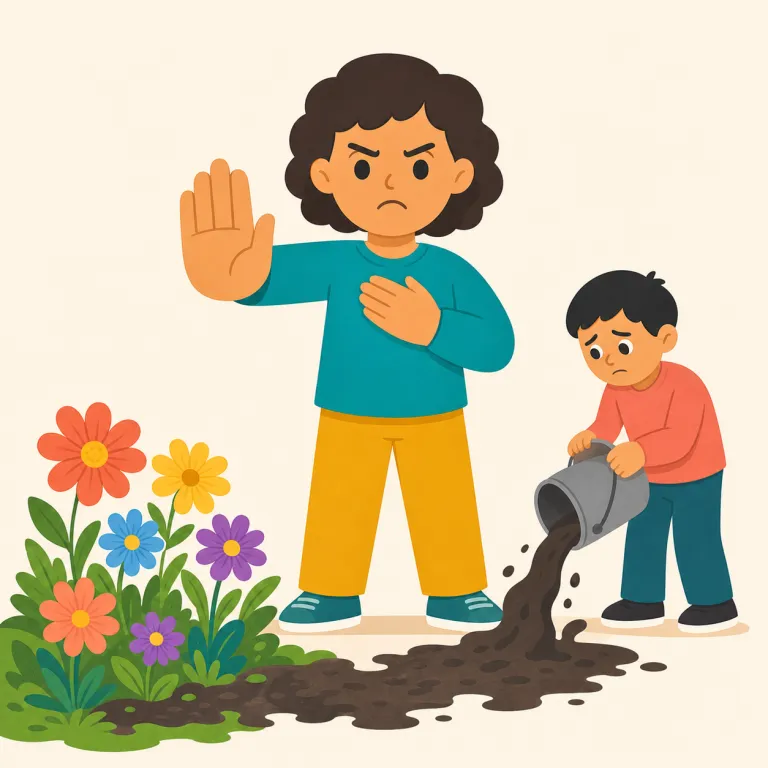
強く非難する
解説 Definition
ある事態や行為を強く非難し、深く嘆き悲しむこと。
To deplore something means to strongly disapprove of it and feel sad or upset that it has happened. It is often used in formal writing or public statements about bad actions, events, or social problems.
覚え方のコツ Memory Tip
deplore は、単なる regret(残念に思う)よりかなり強く、「ひどいことだと深く嘆き、非難する」と覚えると定着しやすい語です。ニュースや声明で deplore violence / deplore the decision のように使われ、「悲しい」だけでなく「許しがたい」という評価が入ります。形容詞 deplorable(嘆かわしい)とセットで押さえると記憶しやすく、explore など形の似た語と混同しないよう注意。
Remember `deplore` as stronger than just `regret`. It often appears in formal statements like `deplore violence` or `deplore the decision`, where sadness and criticism come together. Pair it with `deplorable` so the word family stays together in memory.
例文
Many citizens deplore the government's failure to address climate change.
多くの市民が、気候変動に対する政府の対応の不備を強く非難している。
We deplore the use of violence against peaceful protesters.
私たちは平和的な抗議者に対する暴力の行使を強く非難する。
The editorial deplored the decline in educational standards across the country.
その社説は全国的な教育水準の低下を強く嘆き、非難した。
deplore の類義語・関連語
類義語
派生語
deplore の語源・成り立ち Etymology
deplore はフランス語 déplorer を経て、ラテン語 deplorare に由来する。de- は「すっかり」、plorare は「泣き叫ぶ」で、「声を上げて深く嘆く」が転じて、強い悲しみや非難をこめて『嘆く』の意味になった。関連語は deplorable。
Deplore came through French déplorer from Latin deplorare. In Latin, de- added force and plorare meant "to cry out" or "weep," so the early sense was to lament deeply. Over time, this strong expression of grief widened to include strong regret or moral condemnation. Deplorable comes from the same root.
同じレベルの語彙をもっと
外部辞書で調べる
この英単語をクイズで覚えよう