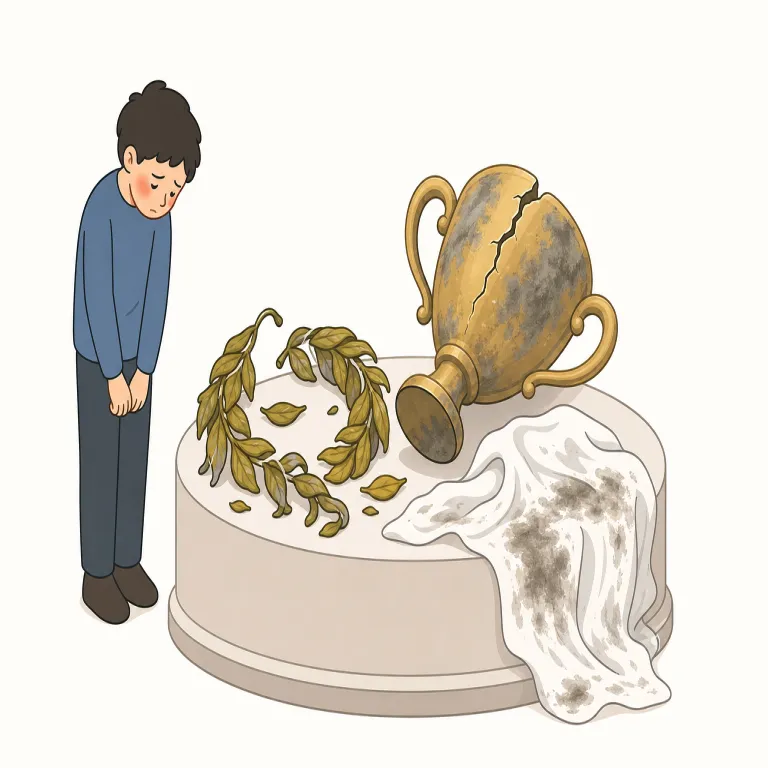
disgraces
disgraces はTOEIC 860・TOEFL 80・IELTS 6.5レベルの英単語で、「恥ずべきこと」という意味があります。発音記号は /dɪsˈɡreɪsɪz/ です。
恥ずべきこと
解説 Definition
恥ずべきこと;不面目。
Disgraces are things that cause strong shame or a loss of respect. The word is used for actions, events, or situations that people judge as morally bad or socially unacceptable. It can also suggest public dishonor.
覚え方のコツ Memory Tip
grace を知っていると覚えやすい。grace は 上品さ・品位・優雅さ で、graceful や gracious の核にもある語。そこに dis- が付くと、その品位や面目が崩れた状態になり、disgrace は 単なる失敗ではなく 不名誉・恥ずべきこと になる。shame が本人の恥ずかしさという感情にも寄るのに対し、disgrace は 周囲から見た評判の失墜が強い。bring disgrace on ... や fall into disgrace をセットで押さえると定着しやすい。複数形 disgraces は 恥ずべき出来事がいくつも並ぶ感じ。
Start from `grace`, which suggests elegance, respect, or good standing. Add `dis-` and the sense becomes the loss of that respect: `disgrace`. Common pairs like `bring disgrace on` and `fall into disgrace` help fix the word, and the plural `disgraces` sounds like a list of shameful events.
例文
The novel traces the family's triumphs and disgraces across three generations.
その小説は、三世代にわたる一家の栄光と恥ずべき出来事をたどっている。
The biography recounts both her achievements and her disgraces without making excuses.
その伝記は、彼女の功績と恥ずべき行いの両方を弁解せずに語っている。
Rather than concealing its past disgraces, the organization acknowledged them publicly.
その組織は過去の恥ずべき行為を隠さず、公に認めた。
disgraces の類義語・関連語
派生語
紛らわしい語
disgraces の語源・成り立ち Etymology
dis-「反対・欠如」+ grace「恩恵・品位」。grace は古フランス語経由でラテン語 gratia「好意」に由来し、grateful や gratitude と同根です。つまり disgraces は「人からの好意や面目を失ったこと」で、「恥ずべきこと」になるわけです。
Disgraces comes from dis- meaning "lack of" or "opposite of" and grace. Grace came into English through Old French from Latin gratia, meaning "favor" or "kindness." The idea developed from losing favor or honor to the sense of shame or dishonor. Related English words include grateful and gratitude.
同じレベルの語彙をもっと
TOEIC 860の一覧へ →外部辞書で調べる
この英単語をクイズで覚えよう