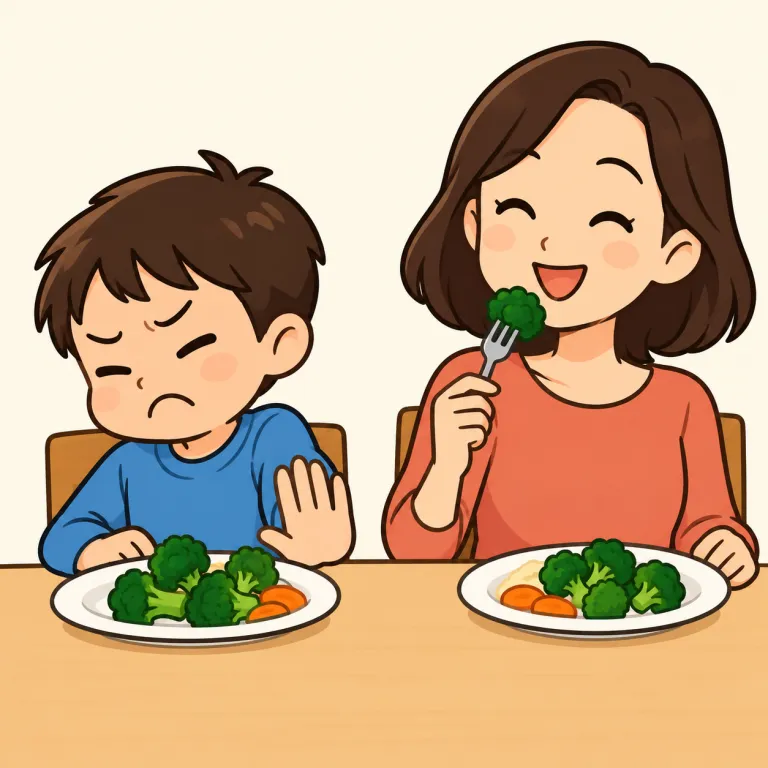
嫌われている
解説 Definition
「disliked」は、人・物・方針などが他者から好かれていない、または嫌われていることを表します。dislike の過去分詞で、形容詞的に使われるほか、受動態の一部としても使われます。
Disliked describes a person, thing, or activity that people regard with disapproval, aversion, or a lack of affection. It commonly follows an adverb such as widely or appears before a noun to indicate an unfavorable general reaction.
覚え方のコツ Memory Tip
原形 dislike の過去分詞形です。語末の /k/ は無声音なので、綴りが -ed でも語尾は /t/ と発音され、全体は /dɪsˈlaɪkt/ となります。a widely disliked policy や the most disliked manager のように、周囲から好かれていない人や物を表す場面と結び付けて覚えましょう。
Connect disliked directly with the base verb dislike: something disliked is something that people do not like. The form adds -ed because it is the past participle used adjectivally. Although the ending is written -ed, it is pronounced /t/ after the voiceless /k/, so disliked ends like “likt.” Remember common patterns such as a widely disliked policy, a disliked vegetable, and the most disliked manager. These combinations emphasize that the negative feeling comes from other people toward the person or thing being described.
例文
Broccoli is often a disliked vegetable among children.
ブロッコリーは子供たちの間でよく嫌われる野菜だ。
He was the most disliked manager in the entire company.
彼は会社全体で最も嫌われているマネージャーだった。
The new policy was widely disliked by the employees.
新しい方針は従業員たちに広く嫌われた。
disliked の類義語・関連語
disliked の語源・成り立ち Etymology
disliked は、ラテン語 dis- 由来で古フランス語を経て入った否定の接頭辞 dis- と、古英語 lician「喜ばせる」に由来する like から成る語です。つまり「好ましい状態から外れる」がもとの感覚で、同根語に like, likely があります。
Disliked is the past-participial form of dislike. The verb combines the negative or reversing prefix dis- with like, which developed from Old English līcian, meaning “to please” or “be agreeable.” The suffix -ed marks the participle, allowing the form to describe someone or something that has become an object of disapproval. Like and likely belong to the same broader historical word family.
同じレベルの語彙をもっと
外部辞書で調べる
この英単語をクイズで覚えよう