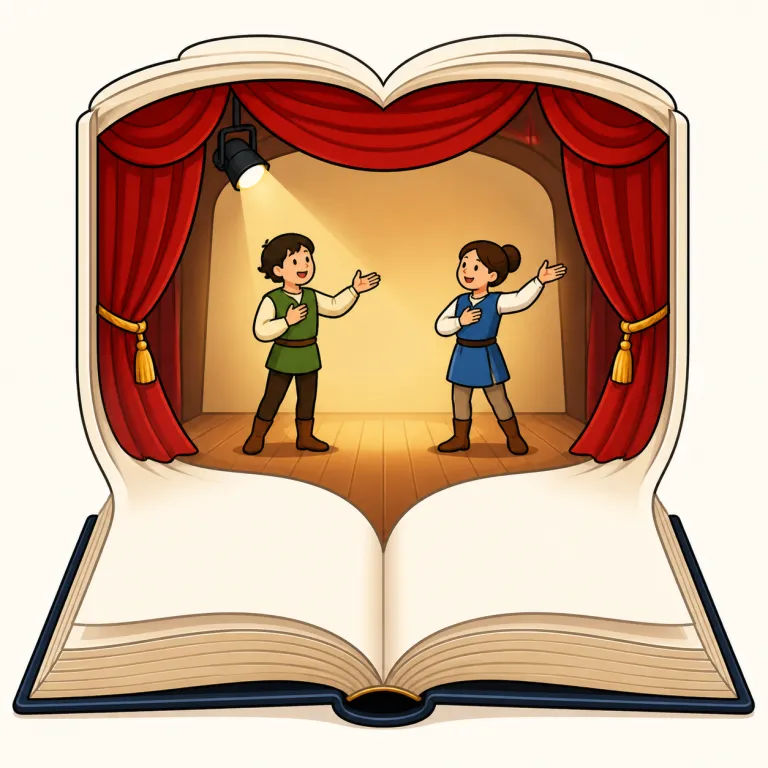
劇的な演出、大げさな表現
noun 名詞出来事や状況を実際以上に劇的・刺激的に見せる表現や演出を指す。原作を舞台や映像へ翻案する意味とは異なり、報道や説明などの見せ方について使われる。
小説・回想録・実話などを、舞台、テレビ、映画向けに劇的な作品へ作り替えること、またはその作品自体を指す名詞。単なる内容変更よりも、物語として見せるための構成や演出を加えるニュアンスが強い。
Dramatisation is the process of turning a story, event, or book into a play, film, or other dramatic performance. It can also mean the finished dramatic version itself; this is the British spelling of the word.
drama が見えれば覚えやすい語です。dramatise「ドラマ化する」に名詞化の -ation が付いて、「ドラマ化すること/その作品」になります。単なる adaptation より、事実や原作を“見せ場のある物語”に組み替える感じが強いのがポイント。a TV dramatisation of the novel のように、原作を舞台・映画・テレビ向けに仕立て直す場面で出やすいです。英式は dramatisation、米式は dramatization なので s / z の綴り違いも一緒に覚えると定着します。
You can remember this through `drama` + `-isation`. It comes from `dramatise`, so it means turning something into a drama form. Compared with `adaptation`, it often suggests adding more dramatic scenes or storytelling shape, and note the British spelling with `s`.
The TV show was a dramatisation of historical events.
そのテレビ番組は、歴史的出来事をドラマ化した作品だった。
The dramatisation of the novel captured the essence of the story.
その小説のドラマ化作品は、物語の本質をよく捉えていた。
Critics appreciated the filmmaker's dramatisation of the memoir.
批評家たちは、その映画監督による回想録のドラマ化を高く評価した。
文脈によって、次の意味でも使われます。
出来事や状況を実際以上に劇的・刺激的に見せる表現や演出を指す。原作を舞台や映像へ翻案する意味とは異なり、報道や説明などの見せ方について使われる。
dramatisation は drama + -ise + -ation で、直訳すると「劇にすること」。drama はギリシャ語 drama「行為・芝居」に由来するので、出来事を行為として見せる発想から「脚色」の意味へ伸びたとわかる。関連語は dramatic, dramatise。
Dramatisation is formed from drama with the endings -ise and -ation, literally meaning "the act of making into drama." Drama comes from Greek drama, meaning "action" or "play." The word developed from turning events into staged action, and related English words include dramatic and dramatise.
この英単語をクイズで覚えよう