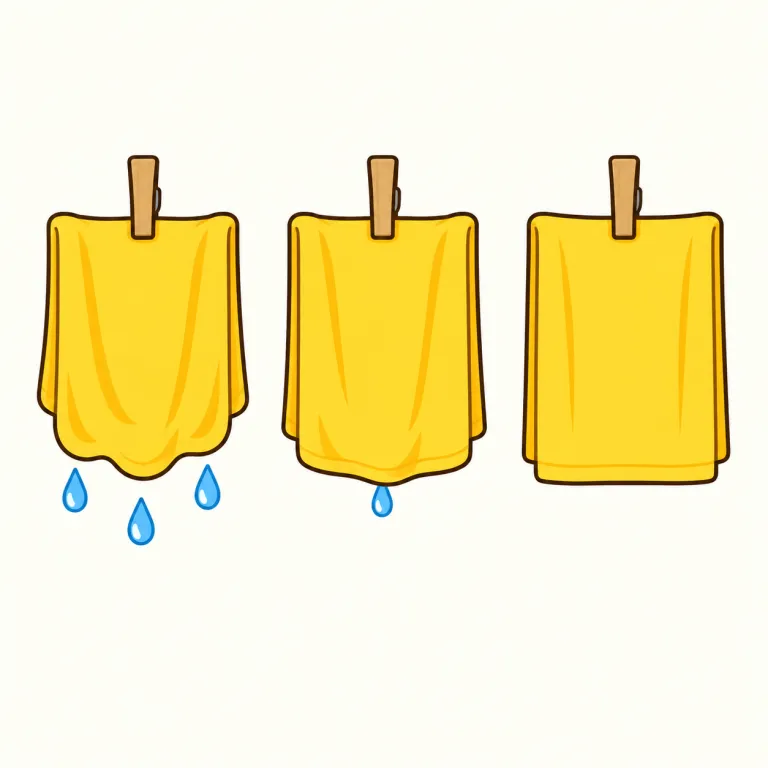
最も乾燥した
解説 Definition
driest は dry(乾いた、乾燥した)の最上級で、「最も乾燥した」という意味です。地域、季節、物の状態などを比べるときに使われます。
Having less moisture or rainfall than every other person, thing, place, or period in the group being compared. It is the superlative form of dry and is commonly used for climates, seasons, surfaces, and objects.
覚え方のコツ Memory Tip
dry の最上級。子音字+y で終わるため y を i に変えて -est を付け、dry → drier → driest となる。発音は /ˈdraɪəst/。the driest month/season/region のように、一定範囲の中で水分や降水量が最も少ないものを示す。
Driest is the superlative form of dry. Since dry ends in a consonant followed by y, change the y to i before adding -est: dry, drier, driest. It is pronounced /ˈdraɪəst/. Use it when one item has the least moisture or rainfall in a comparison group, as in “the driest month,” “the driest season,” or “the driest towel.” The word the commonly appears before it. Keep the comparison scale in mind: dry describes a condition, drier marks a comparison, and driest identifies the extreme within a defined group or range.
例文
August is usually the driest month in this region.
この地域では、たいてい8月が最も乾燥した月です。
The driest towel was kept near the window.
いちばん乾いていたタオルは窓の近くに置かれていました。
Scientists recorded the driest season in ten years.
科学者たちは10年で最も乾燥した季節を記録しました。
driest の類義語・関連語
driest の語源・成り立ち Etymology
driest は dry の語末の y を i に変え、最上級を表す接尾辞 -est を付けた形です。dry は古英語 drȳge(乾いた)に由来するゲルマン系の語です。現代の driest は、この古い形容詞に英語の通常の最上級形成規則を適用したものです。
Driest is formed from dry by replacing final y with i and adding the superlative suffix -est. Dry descends from Old English drȳge and is related to other Germanic words concerning the absence of moisture, including Dutch droog. The inherited suffix -est marks the highest degree of an adjective. Thus, the history relevant to the modern form is straightforward: an old Germanic adjective combined with the standard English superlative ending.
同じレベルの語彙をもっと
外部辞書で調べる
この英単語をクイズで覚えよう