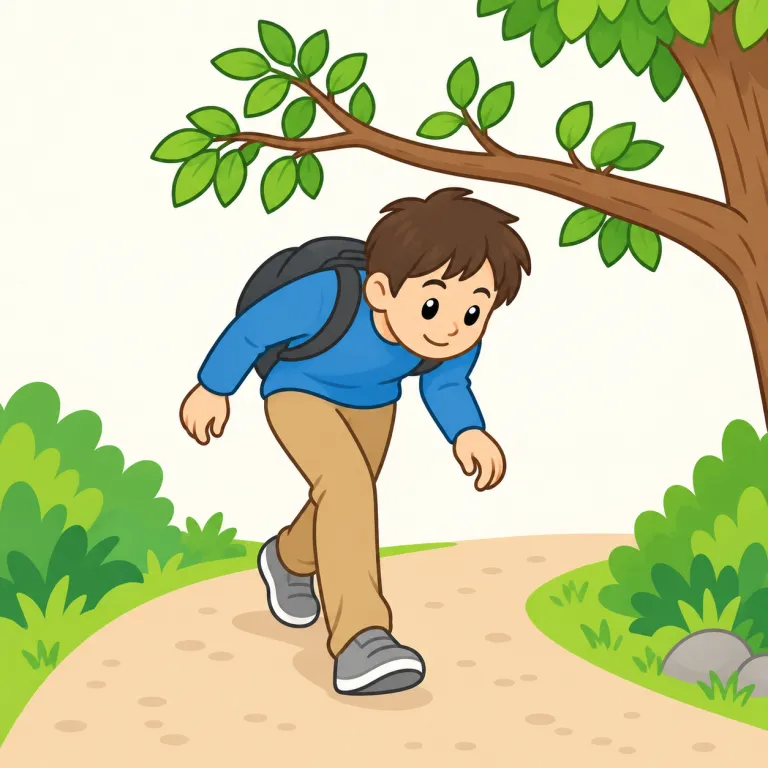
かがむこと / 身をかわすこと
解説 Definition
ducking は duck(かがむ、身をかわす)の動名詞・現在分詞で、名詞としては「かがむこと、身をかわすこと」という意味です。頭を低くしたり、飛んでくる物を避けたりする動作を表します。
The act of quickly lowering the head or body to avoid being hit, seen, or obstructed, or to pass beneath something. It is the gerund form of the verb duck in its movement sense.
覚え方のコツ Memory Tip
動詞 duck「さっと頭や体を低くする」に -ing を付けた動名詞で、綴りはそのまま、発音は /ˈdʌkɪŋ/ です。鳥の duck とは同じ綴りですが、ここでは quick ducking や ducking under a rope のような回避動作を指します。低い枝や飛来物を避けて一瞬身を沈める場面で覚えましょう。
Ducking is duck plus -ing, with no spelling change, and is pronounced /ˈdʌkɪŋ/. Here duck is the verb meaning to lower your head or body quickly, not the noun for the bird. Picture someone ducking under a rope or avoiding a low branch with one fast downward movement. As a noun, ducking names that action, as in quick ducking saved him. The idea of sudden lowering distinguishes it from bending, which may be slower and need not involve avoiding anything, and from dodging, which can involve movement in any direction.
例文
Quick ducking saved him from the low branch.
すばやくかがんだおかげで、彼は低い枝に当たらずに済みました。
The coach taught the players ducking during practice.
コーチは練習中に選手たちへ身のかわし方を教えました。
Ducking under the rope was easier than climbing over it.
ロープを乗り越えるより、その下をくぐるほうが簡単でした。
ducking の類義語・関連語
ducking の語源・成り立ち Etymology
ducking は動詞 duck に -ing が付いた名詞形です。duck は古英語系のゲルマン語にさかのぼる「さっと身を沈める・もぐる」が原義で、そこから頭を低くして攻撃をかわす動き、つまり「かがむこと/身をかわすこと」になりました。関連語は duck, ducked。
Ducking is the gerund or present-participle form of the verb duck. The verb is related to the name of the water bird and ultimately to Old English forms associated with diving or dipping beneath the surface. From the physical action of plunging downward, duck developed the sense of suddenly lowering the head or body. Adding -ing allows English to present that movement as an ongoing action or as an activity.
同じレベルの語彙をもっと
外部辞書で調べる
この英単語をクイズで覚えよう