軒
解説 Definition
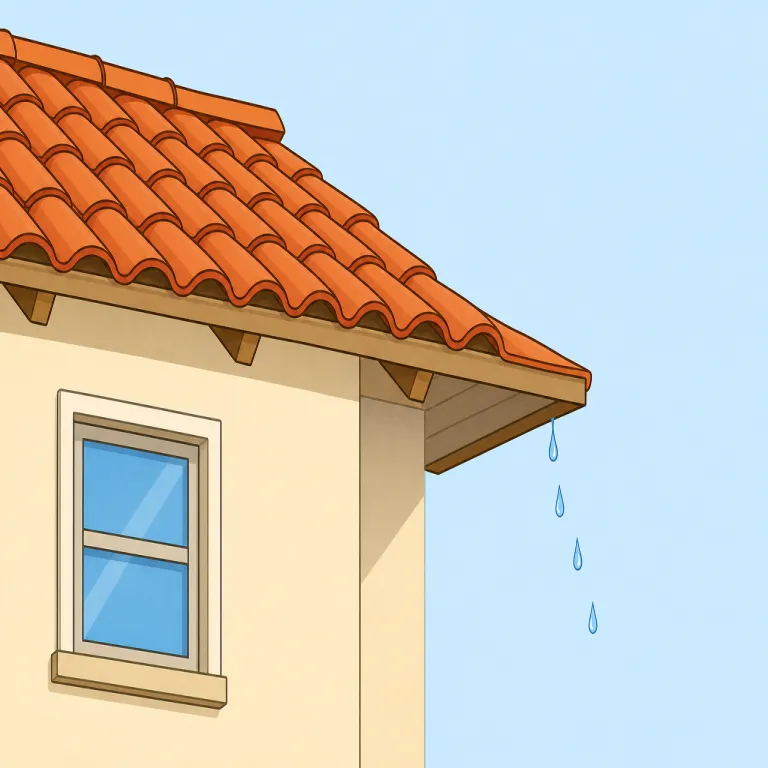
軒は屋根の下の部分で、壁の上に突き出している部分です。雨から建物と人々を保護する役割があります。
An eave is the lower edge of a roof that extends beyond the wall of a building. It helps carry rainwater away from the house and is mainly used in architecture or home-related contexts.
覚え方のコツ Memory Tip
まず「under the eaves(軒下で)」という場面で覚えると定着しやすいです。雨をよけて建物の外壁より少し外に出た屋根の端に立つイメージです。形は eave が単数、eaves がよく使われる形なので、見た目に惑わされないのがコツ。さらに eavesdrop を知っているなら、「軒下で人の話を聞く」から eave=軒と結びつけると忘れにくくなります。roof 全体ではなく、端の張り出し部分に意識を置くと意味がぶれません。
Remember the phrase `under the eaves` and picture standing where the roof sticks out and keeps off the rain. That helps you connect `eave` with the edge of a roof, not the whole roof. If you know `eavesdrop`, it is easier to remember: originally, it was listening while standing under the eaves.
例文
The rain dripped off the eave of the cottage.
雨水がコテージの軒から滴り落ちていました。
The eave of the old house protected us from the rain.
古い家の軒は雨から私たちを守りました。
The builder inspected the eave where the roof extended beyond the wall.
建築業者は、屋根が壁より外に張り出した軒の部分を点検しました。
eave の類義語・関連語
紛らわしい語
eave の語源・成り立ち Etymology
eave は古英語 efes「家の縁・屋根の端」に由来する古いゲルマン系語です。もとは複数形 eaves が普通で、そこから単数形 eave が逆成されました。雨を壁から外へ落とす屋根の「縁」という原感覚があり、関連語に eaves, eavesdrop があります。
Eave comes from Old English efes, a Germanic word for the edge or border of a house roof. For a long time, the usual form was the plural eaves, and the singular eave was later formed back from it. The basic idea was the roof edge that throws rain away from the wall, seen also in related words like eaves and eavesdrop.
同じレベルの語彙をもっと
外部辞書で調べる
この英単語をクイズで覚えよう