えいたんごクイズ

empathize

/ˈɛmpəθaɪz/

意味一覧 (4件)

verb

感情移入する

解説 Definition

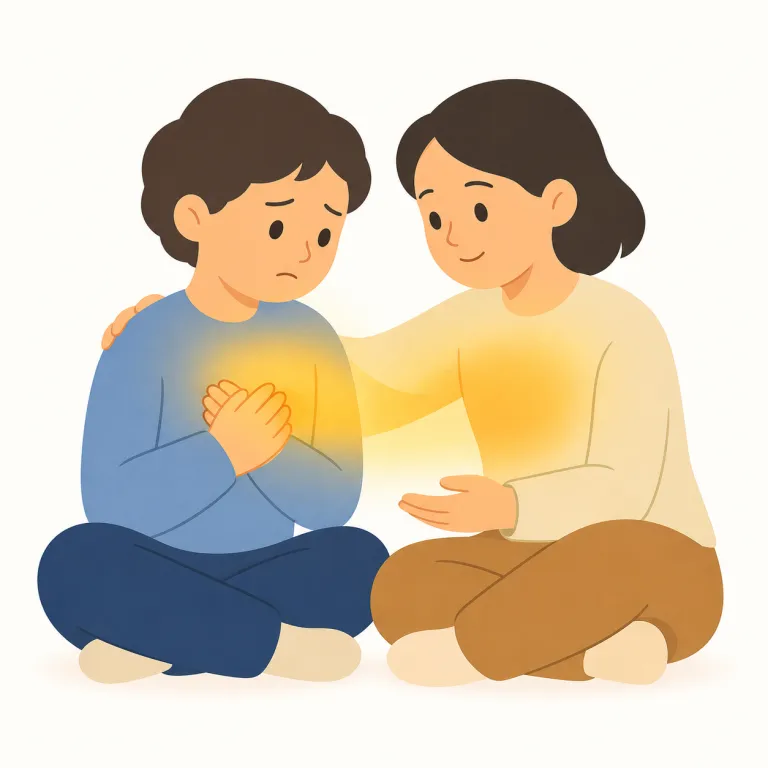
物語の登場人物や相手の立場に自分を重ね、その気持ちを内側から想像して感じ取ることです。小説・映画・体験談などで、人物の痛みや喜びを自分のことのように受け止める場面でよく使います。

To empathize means to imagine another person's feelings from the inside, as if you were in their position. It is often used when talking about stories, movies, or real experiences where you deeply share a character's or person's pain, joy, or struggle. It suggests more than simply feeling sorry for someone; it means understanding their emotions in a personal way.

覚え方のコツ Memory Tip

empathize は empathy「他人の気持ちを内側から感じ取る力」に -ize「動詞化する」が付いた語です。覚える時は empathize with a character / person の形で、相手や登場人物の視点に入る動作として押さえると自然です。sympathize は「気の毒に思う」に寄りやすい一方、empathize は相手の状況を自分の中で追体験する感じが強く、「感情移入する」と結び付けやすいです。

Think of empathize as empathy turned into an action. A useful pattern is empathize with a character or empathize with a person, because the word often describes entering someone else's point of view. This is different from sympathize, which often means feeling sorry for someone, while empathize is closer to emotionally stepping into their experience.

例文

It was easy to empathize with the main character because her fears felt so real.

主人公の不安がとてもリアルで、すぐに感情移入できた。

After hearing his story, I could empathize with what he had been going through.

彼の話を聞いて、彼が経験してきたことに感情移入できた。

Good teachers empathize with students who are under pressure and adjust their support.

良い教師は強いプレッシャーを抱える生徒に感情移入し、支え方を調整する。

verb

共感きょうかんする

(意味 2)

解説 Definition

他の人の感情や経験を理解し、相手と同じような気持ちを共有すること。相手の気持ちを自分のものとして感じ、相手に寄り添うことを示す。

例文

The community came together to empathize with the disaster survivors.

コミュニティが災害生存者に共感するために一緒に集まった。

Parents should empathize with their children's emotional struggles.

親は子どもの感情的な苦しみに共感すべきである。

The counselor worked to empathize with each client's unique challenges.

カウンセラーは各クライアントの独特な課題に共感しようと努力した。

verb

共感きょうかんする

(意味 3)

解説 Definition

他人の感情や立場を理解し、それを自分のことのように受け止めることです。相手が抱えている気持ちを想像して共有し、寄り添う態度を表します。そうした共感を通して信頼関係を深めることができます。

To empathize means to understand and share another person's feelings or emotional situation. It is commonly used when talking about relationships, support, or emotional communication. It is stronger than simply knowing how someone feels, because it includes a sense of connection.

覚え方のコツ Memory Tip

empathize は empathy「共感」に -ize が付いた動詞なので、「共感を行動として示す」と考えると覚えやすいです。形は empathize with someone を丸ごと押さえましょう。会話・相談・人間関係で、相手の立場に立って気持ちを理解し、寄り添う場面に使います。sympathize が同情を表すことが多いのに対し、empathize は相手の視点から感じ取るニュアンスが強めです。

If you know empathy, empathize is the verb form. It often appears as empathize with someone, so learn the whole pattern. It means trying to understand another person's feelings from their point of view, not just feeling sorry for them.

例文

I can empathize with your frustration because I've been in the same situation.

同じ状況を経験したから、あなたの不満に共感できます。

It's important to empathize with others to build strong relationships.

強い関係を築くためには、他の人に共感することが重要です。

The therapist helped the couple empathize with each other's feelings.

セラピストはカップルが互いの気持ちに共感するのを手助けした。

verb

感情移入かんじょういにゅうする

(意味 4)

解説 Definition

他者の感情や経験を理解し、その気持ちを共有しようとすること。相手の立場になって考える能力や行為。

例文

The therapist encouraged patients to empathize with one another.

そのセラピストは患者に互いに感情移入することを勧めた。

It's important to empathize with people from different backgrounds.

異なる背景を持つ人々に感情移入することが重要である。

She struggled to empathize with her colleague's difficult situation.

彼女は同僚の困難な状況に感情移入するのに苦労した。

empathize の語源・成り立ち Etymology

empathize は empathy に動詞化の -ize が付いた語です。語根はギリシャ語 em-「中へ」+ pathos「感情・苦しみ」で、感情の中に入るイメージを持ちます。

Empathize comes from empathy plus the verb ending -ize. The deeper root goes back to Greek: em- meaning "in" and pathos meaning "feeling" or "suffering." The word carries the image of entering into another person's feelings.

外部辞書で調べる

この単語を英単語クイズで覚えよう