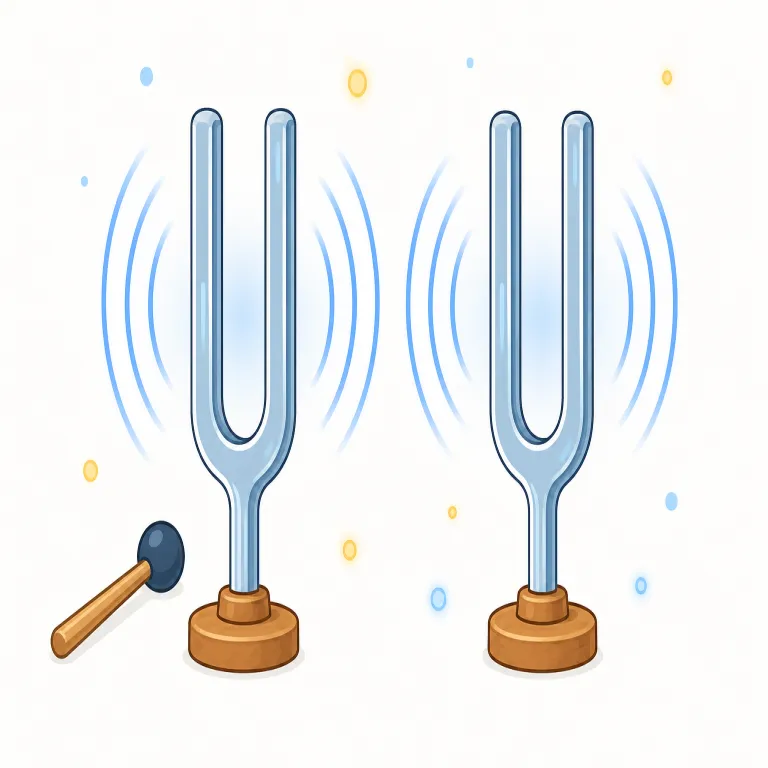
resonate
resonate は英検1級レベルの英単語で、「共鳴する、心に響く」という意味があります。発音記号は /ˈrɛzəneɪt/ です。
意味一覧 (2件)
共鳴する
解説 Definition
ある音や考えが別の音や考えと同調して反応する、あるいは相互に共鳴する。人の心や感情に深く響く。
To resonate means to produce a deep, clear sound or to vibrate strongly in response to sound. It can also mean to create a strong emotional or mental connection with someone. In modern English, it is often used in both physical and figurative ways.
覚え方のコツ Memory Tip
resonate はまず「音が鳴って、その振動が相手にも伝わる」場面で覚える。核は son=音 で、resonance(共鳴)、sonic(音の)ともつながる。よくある形は resonate with で、「人の心に響く」「考えがしっくり来る」。単なる agree よりも、内側で同じ振動が起こる感覚が強い。echo が外に返る反響なら、resonate は相手の中でも鳴り出すイメージ。a speech resonated with voters のように、言葉・考え・音が深く届く場面と結びつけると定着しやすい。
Use the sound root `son`, also seen in `sonic` and `resonance`. `Resonate` often appears as `resonate with`, so remember that full pattern. It is stronger than simple `agree` because it suggests something vibrates inside you too.
例文
The music resonated with the audience in the concert hall.
その音楽はコンサートホールの観客の心に響きました。
Her words resonated deeply with everyone who heard them.
彼女の言葉は、それを聞いたすべての人の心に深く響きました。
The bell continued to resonate after being struck.
鐘は打たれた後も鳴り響き続けました。
心に響く
(意味 2)
解説 Definition
多くの人に強く響き、共感や共鳴を呼ぶこと。人々の心に深い印象を与え、同じ感情や考え方を生じさせる。
To resonate means to create a strong feeling of connection, understanding, or emotional impact. It is often used when an idea, message, or experience feels meaningful to people; it can also literally mean to produce or carry sound strongly.
覚え方のコツ Memory Tip
まず「音が響く」場面を思い浮かべると覚えやすい。そこから比喩で、idea / message / story が人の中で反響して広がるのが resonate。touch が「感動させる」一回の反応なら、resonate は自分の経験や価値観に合って“深く響き続ける”感じ。広告やスピーチ、映画のテーマが多くの人に刺さる場面で使われ、resonate with people, resonate deeply が頻出。目的語を直接取るより with を伴う形が多い点もセットで覚えると定着しやすい。
Think of sound `resonating` in a room and staying there. In the same way, an idea or story `resonates with` people when it stays in their mind and connects deeply. Remember the pattern `resonate with`, because that form is much more common than a direct object.
例文
Her story about overcoming challenges resonates with many people.
困難を乗り越えた彼女の話は多くの人々の心に響く。
His message of hope resonates deeply with the audience.
彼の希望のメッセージは観客の心に深く響く。
The book's themes resonate with readers of all ages.
その本のテーマはあらゆる年代の読者の心に響く。
resonate の類義語・関連語
類義語
紛らわしい語
resonate の語源・成り立ち Etymology
ラテン語resonare(鳴り返る)が語源で、re-「再び」+ sonare「音を出す」から成ります。もとは「音が返って響く」ことで、そこから感情や考えにまで「響く」という意味へ広がりました。関連語はresonance、sonicです。
Resonate comes from Latin resonare, from re- "back" or "again" and sonare "to sound." It first suggested sound returning or echoing. Related words include resonance, sonic, and consonant. Later, the idea widened from literal sound to thoughts or feelings that "echo" strongly in someone.
同じレベルの語彙をもっと
英検1級の一覧へ →外部辞書で調べる
この英単語をクイズで覚えよう