thaw
thaw は英検準1級レベルの英単語で、「解ける、解凍する、雪解け」という意味があります。発音記号は /θɔː/ です。
解ける、解凍する
/ noun 名詞 雪解け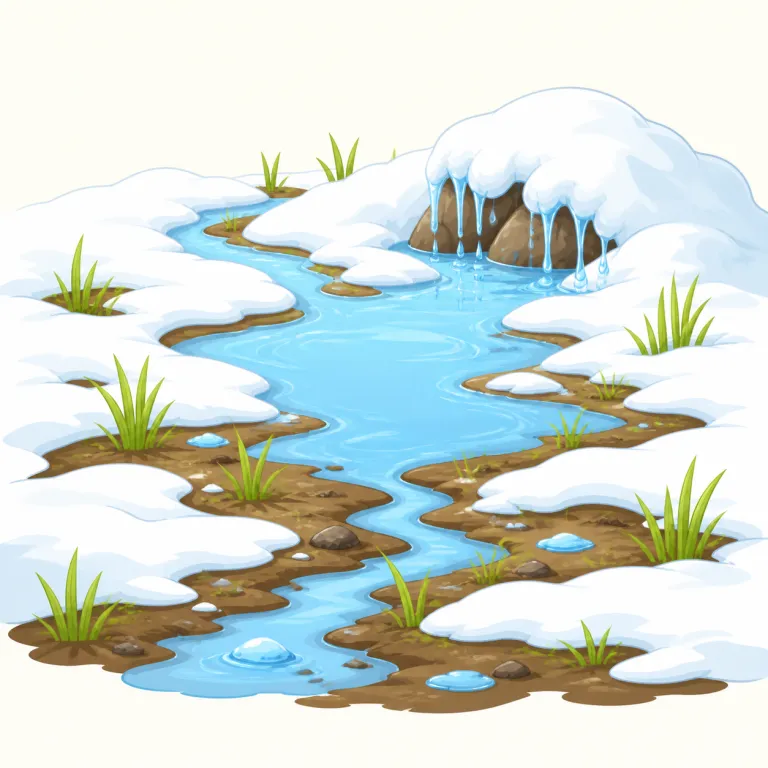
解説 Definition
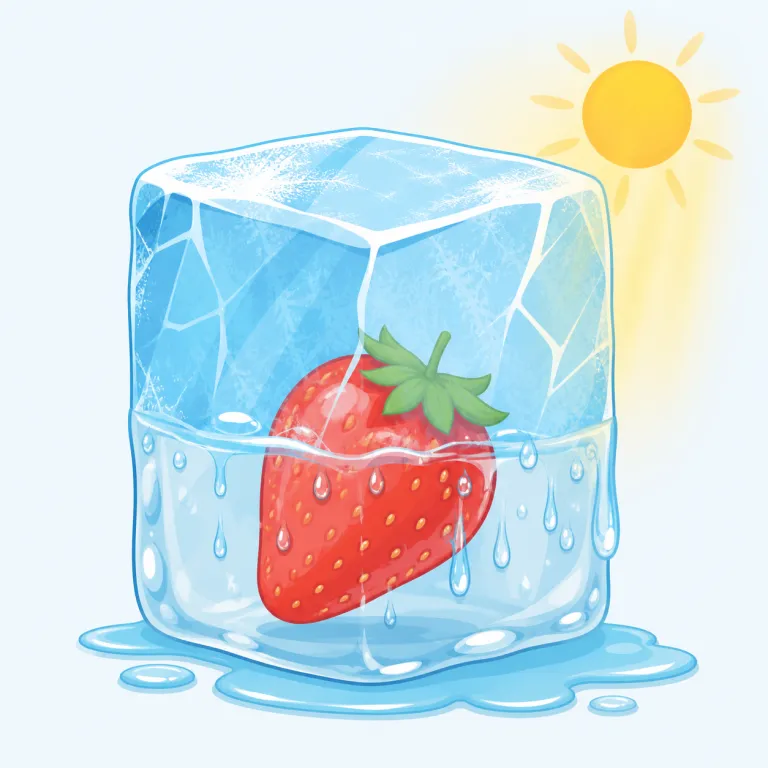
氷や雪、凍った食べ物などが、温度が上がって水になったり、やわらかくなったりすることを表します。冷凍されたものを使える状態に戻すときにも使います。
To thaw means for ice, snow, or frozen food to become liquid or soft because it gets warmer. It can also mean to make frozen food ready to use by warming it slowly.
覚え方のコツ Memory Tip
thaw は、冷たく固まっていた雪・氷・冷凍食品が、暖かさで解けて水や柔らかい状態へ戻る流れを思い浮かべると覚えやすいです。The snow began to thaw のように「物が解ける」ときにも、thaw frozen meat のように「凍った物を解凍する」ときにも使えます。warm sun と thaw を場面で結びつけ、let the meat thaw before cooking(調理前に肉を解凍させる)を定型として押さえると、自然解凍の文脈でもすぐ使えます。
Think of a frozen thing getting warm and slowly turning soft or liquid. Frozen food thaws when you take it out of the freezer.
例文
The snow began to thaw in the warm sun.
雪は暖かい日ざしで解け始めました。
Let the frozen meat thaw before you cook it.
料理する前に冷凍肉を解凍してください。
The ice on the pond thawed quickly.
池の氷はすぐに解けました。
thaw の類義語・関連語
類義語
対義語
thaw の語源・成り立ち Etymology
古い英語の thawian から来た語で、「解ける、温まって液体になる」という意味がありました。昔から、氷や雪などが寒さで固まった状態から、暖かさで解けることを表してきました。
Thaw comes from Old English thawian, meaning to thaw or melt. It has long been used for ice, snow, or frozen things becoming soft or liquid in warmth.
同じレベルの語彙をもっと
英検準1級の一覧へ →外部辞書で調べる
この英単語をクイズで覚えよう
この意味を学べる単語帳
thaw の収録語義を確認して、まとめて学べる単語帳を選べます。
-
収録語義:雪解け
作成者:西村/learningBOX/競プロアカ