てんかんの、てんかん性の
/ noun 名詞 てんかん患者
解説 Definition
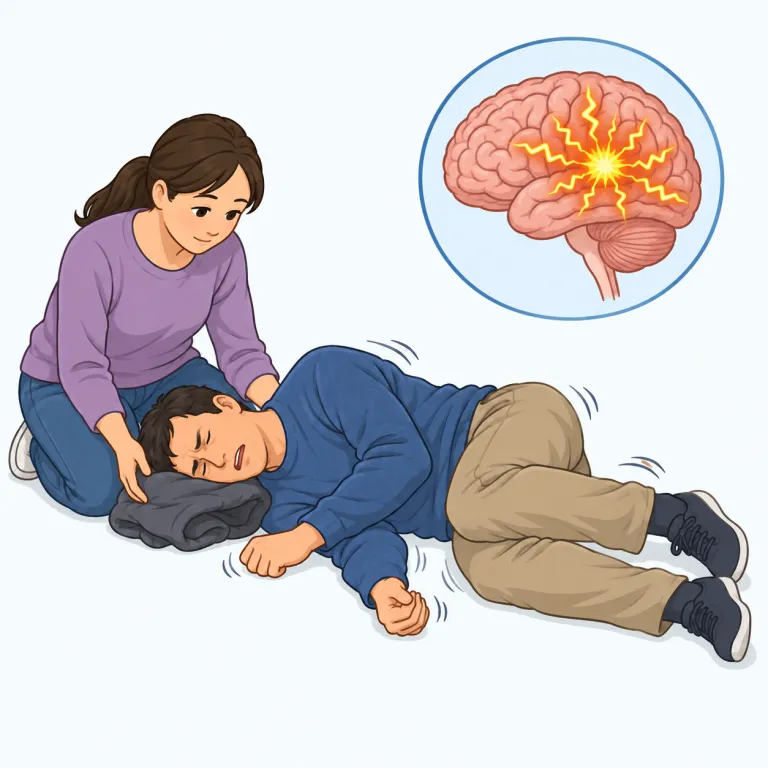
てんかんに関係する状態や症状を表す形容詞です。てんかん発作や、てんかんに伴う医療・ケア、てんかんのある人に関連する事柄を説明するときに使われます。文脈によっては「てんかん性の」という意味で症状や発作を修飾します。
Epileptic means relating to epilepsy, a medical condition that can cause seizures. It is used in medical or health-related contexts to describe seizures, conditions, or events connected with epilepsy. In careful modern usage, it is often better to describe the person as having epilepsy rather than calling the person epileptic.
覚え方のコツ Memory Tip
epileptic は、まず病名の epilepsy(てんかん)を先に押さえると記憶しやすい語です。epilepsy が名詞、epileptic は語尾の -ic が付いた形容詞で「〜の、〜に関する」。allergic, metallic などと同じ作りだと思えば、「てんかんに関する状態や発作を説明する語」と整理できます。医療英語では epileptic seizure の形で見かけやすく、病名 epilepsy と、症状・性質を述べる epileptic を対で覚えると混同しません。人を直接指す名詞用法は今は避けられがち、という使用感も一緒に覚えると実戦的です。
Remember the noun first: `epilepsy`. Then `epileptic` is the adjective form, like `allergy` and `allergic`. Learn the common medical pair `epileptic seizure`, and keep `epilepsy` and `epileptic` together so you do not confuse the disease name with the describing word.
例文
The patient with epileptic seizures takes medication to manage them.
てんかん性の発作があるその患者は、発作を抑えるために薬を服用している。
The epileptic seizure lasted several minutes before subsiding.
そのてんかん性の発作は、おさまるまで数分続いた。
The hospital has specialized care for children with epileptic disorders.
その病院には、てんかん性疾患のある子どもたちのための専門的なケアがある。
epileptic の類義語・関連語
epileptic の語源・成り立ち Etymology
epilepticはギリシャ語epileptikosに由来し、epi-(上に)+ -lept-(つかむ、襲う)が核です。epilepsyやcatalepsyも同じ語根を持ち、『何かに突然つかまれるような発作』という原像が意味の背景にあります。
Epileptic comes from Greek epileptikos, from epi- meaning "upon" and a root meaning "to seize" or "to take hold of." It is related to epilepsy and also shares the same root idea with catalepsy. Its history reflects the old image of a person being suddenly seized by an attack.
同じレベルの語彙をもっと
外部辞書で調べる
この英単語をクイズで覚えよう