消失、散逸
noun 名詞資金、支持、期待、機会などが、まるで蒸発するように消えてなくなることを比喩的に表します。the evaporation of confidence のように用い、液体の状態変化ではなく、抽象的なものが失われることを強調します。
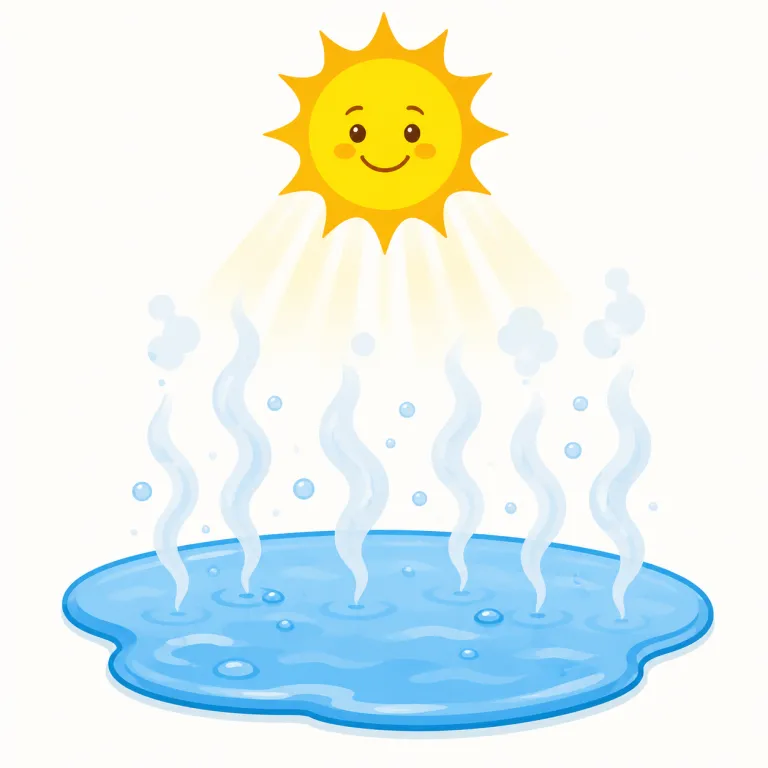
evaporation はTOEFL 80・IELTS 6.5レベルの英単語で、「蒸発」という意味があります。発音記号は /ɪˌvæpɚˈeɪʃən/ です。
蒸発とは、液体が気体に変わる過程のことです。特に水が水蒸気に変わることを指すことが多く、物質の物理的な状態変化です。
Evaporation is the process in which a liquid changes into vapor or gas, usually because of heat. It is commonly used in science and in everyday topics such as weather and drying. Water turning into vapor is a typical example of evaporation.
まず vapor(蒸気)を知っていると覚えやすいです。evaporate が「蒸発する」、そこに -ion が付いた evaporation は「蒸発という現象・過程」。water evaporation, evaporation of sweat のように、水分や汗が空気中に消えていく場面でよく出ます。理科では水の循環、日常では洗濯物が乾く説明でも見かけます。boil は「沸騰する」で泡立つ動き、evaporation は表面から少しずつ気体になる点が違います。反対語の condensation(凝縮)と対で覚えると定着しやすいです。
Link this word to `vapor`. `Evaporate` is the verb, and `evaporation` is the process, so the ending `-ion` turns the action into a noun. Remember it with `water evaporation` or `evaporation of sweat`, and compare it with the opposite, `condensation`.
The evaporation of water increases during hot weather.
暑い時期には水の蒸発量が増えます。
Evaporation is an essential part of the water cycle.
蒸発は水の循環の重要な部分です。
The rate of evaporation depends on temperature and humidity.
蒸発速度は温度と湿度に依存します。
文脈によって、次の意味でも使われます。
資金、支持、期待、機会などが、まるで蒸発するように消えてなくなることを比喩的に表します。the evaporation of confidence のように用い、液体の状態変化ではなく、抽象的なものが失われることを強調します。
evaporationはラテン語evaporareに由来し、e-/ex-「外へ」+ vapor「蒸気」+ -ation「こと」から成ります。vaporやevaporateが同根です。つまり「蒸気となって外へ出ること」が原義で、水が見えなくなる仕組みが語の中にそのまま入っています。
Evaporation comes from Latin evaporare, from e- or ex- "out" and vapor "steam" or "vapor." The word originally meant something like "to pass off as vapor." In English, it came to refer to liquid turning into vapor and going out into the air. Related words include vapor and evaporate.
この英単語をクイズで覚えよう